PAYF Bulletin
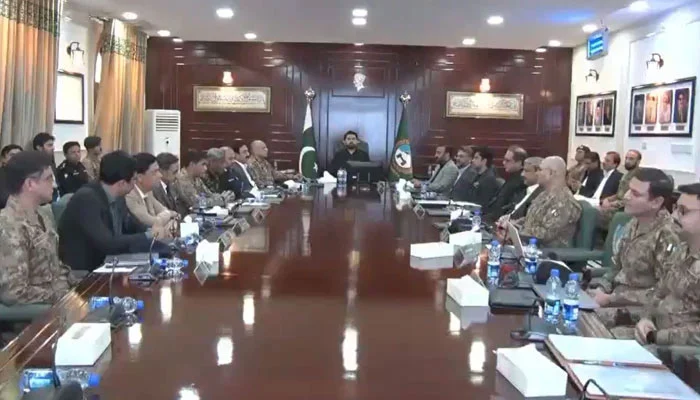
Khyber Pakhtunkhwa’s governance reforms and the approval of PSL matches in Peshawar signal growing institutional confidence, integrated counterinsurgency efforts, and cautious progress toward long-term stability
Khyber Pakhtunkhwa’s governance reforms and the approval of PSL matches in Peshawar signal growing institutional confidence, integrated counterinsurgency efforts, and cautious progress toward long-term stability
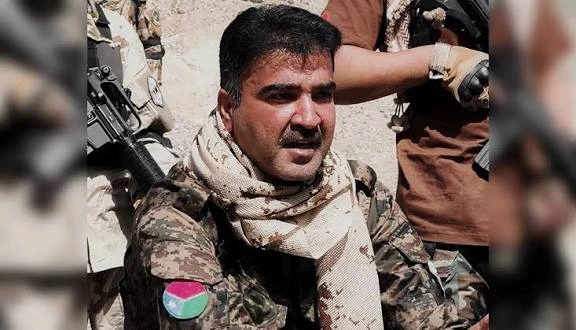
The targeted killings in Balochistan reflect a coordinated hybrid warfare strategy aimed at weakening Pakistan’s national cohesion, spreading interprovincial mistrust, and undermining strategic economic projects.
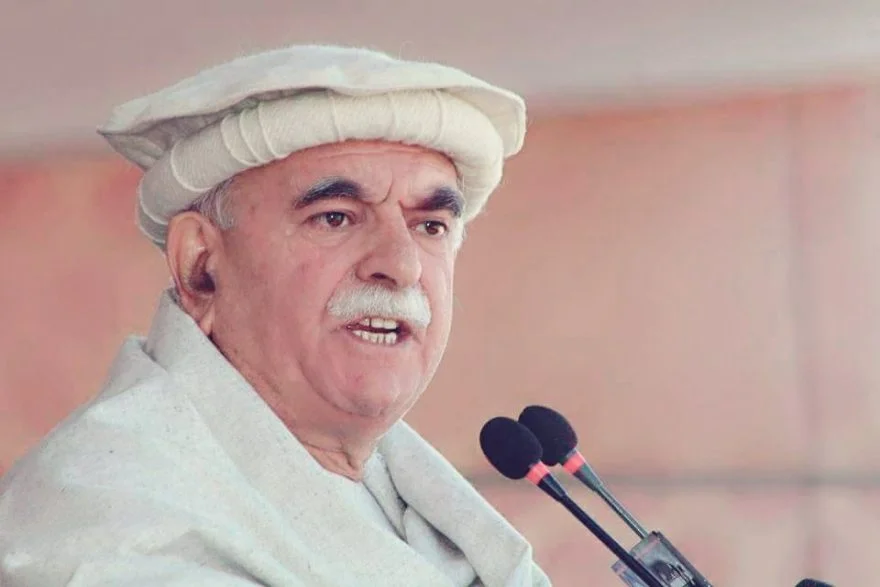
An analytical review of provincial representation in Pakistan’s armed forces, examining population ratios, recruitment patterns, and political narratives through a data-driven lens.
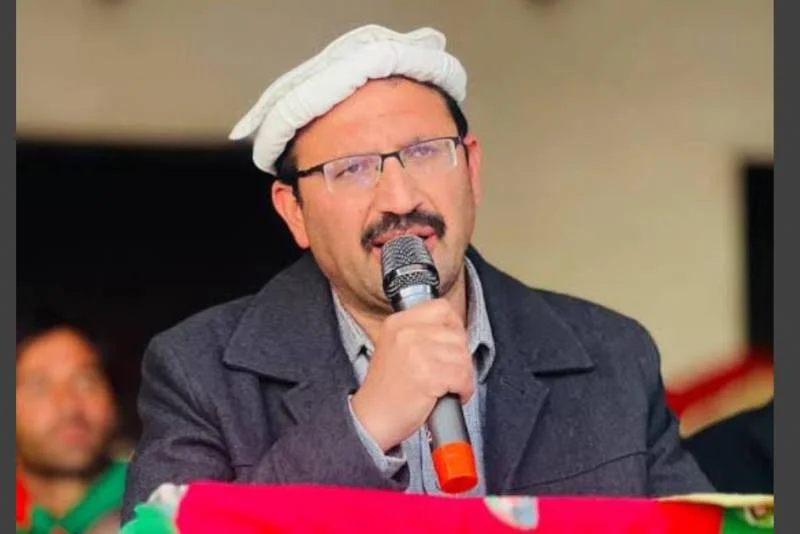
Internal divisions within PTI have surfaced as MNA Junaid Akbar quits a parliamentary committee, raising concerns over party unity, leadership coherence, and parliamentary effectiveness.

During the Asma Jahangir Conference in Lahore, Progressive Students’ Collective president Ali Abdullah’s pointed question to the German ambassador on Gaza highlighted the selective enforcement
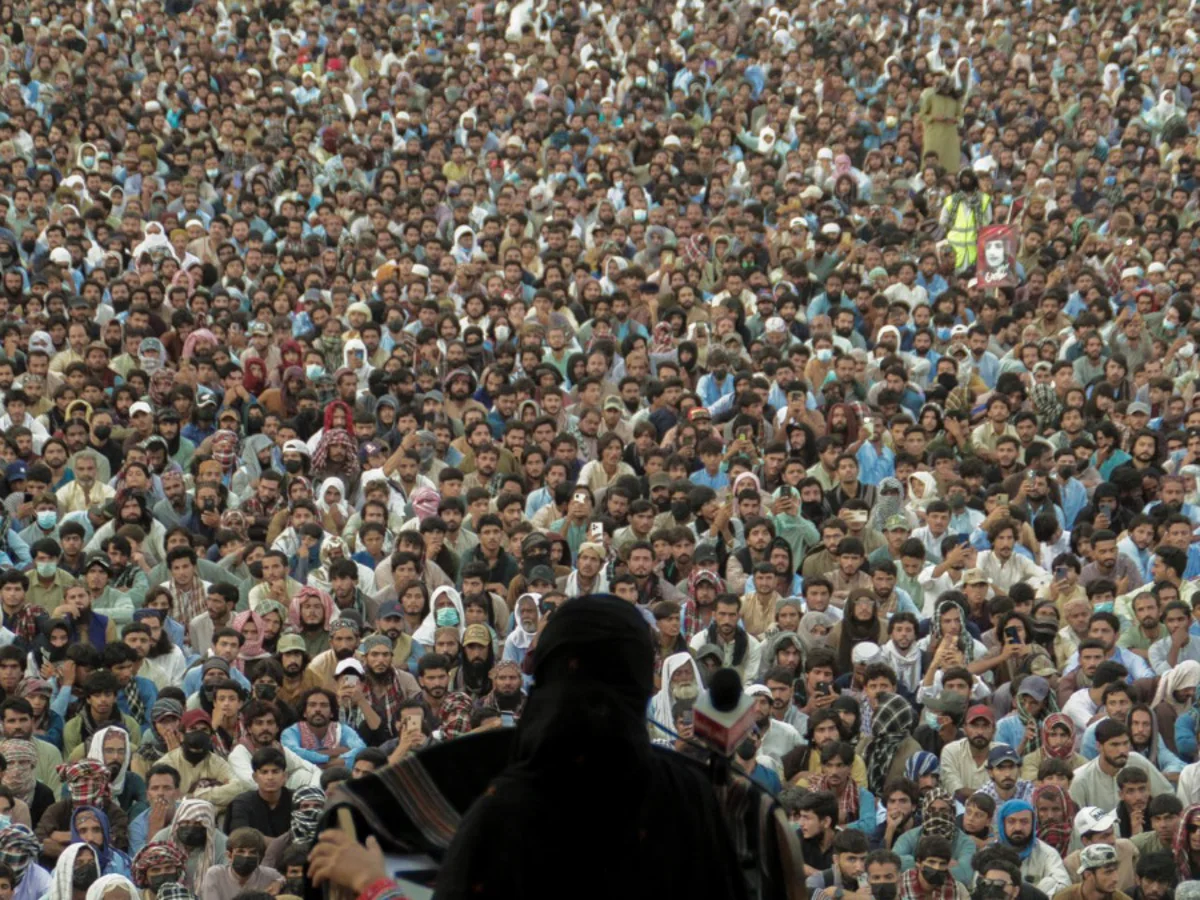
Insurgent networks exploit “disappearances” in Balochistan to evade security forces, carry out attacks, and destabilize Pakistan, highlighting the urgent need for robust counterterrorism and national
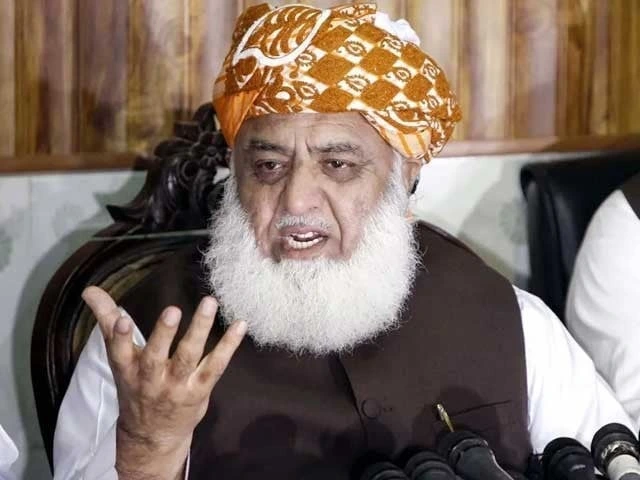
Following Maulana Fazlur Rehman’s address in Rawalpindi, critical questions have emerged regarding Pakistan’s border security, cross-border terrorism, and relations with Afghanistan. The discussion highlights the
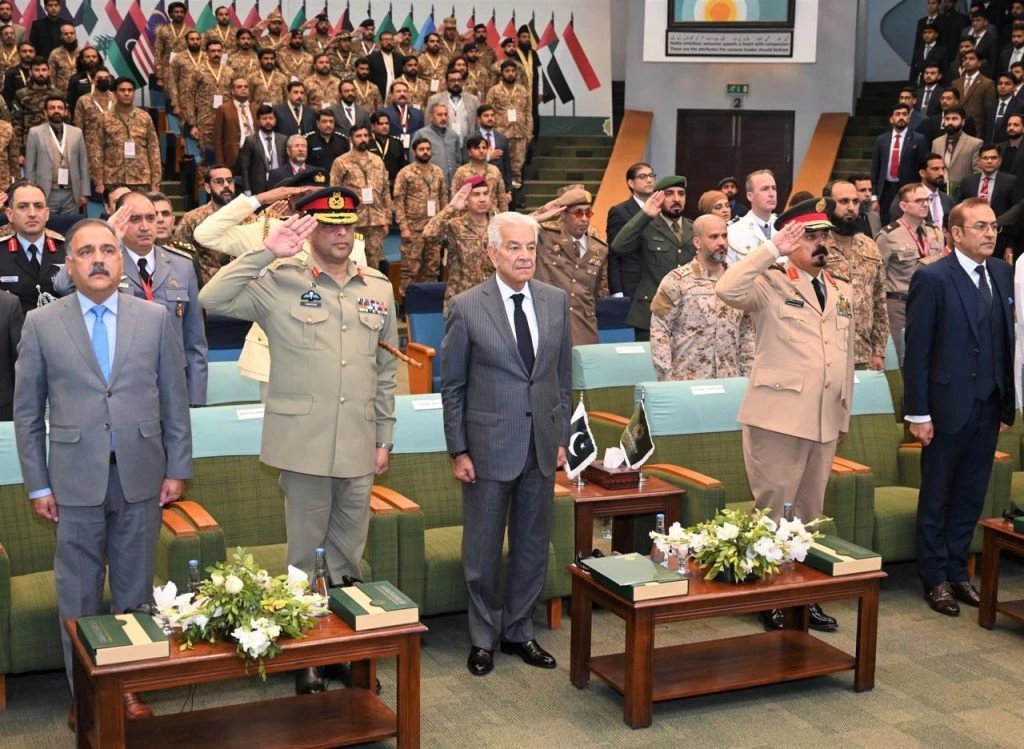
IMCTC launches the “Reintegration” program in Islamabad, Pakistan, focusing on rehabilitation and reintegration of individuals affected by extremist ideologies, strengthening regional security and societal resilience.
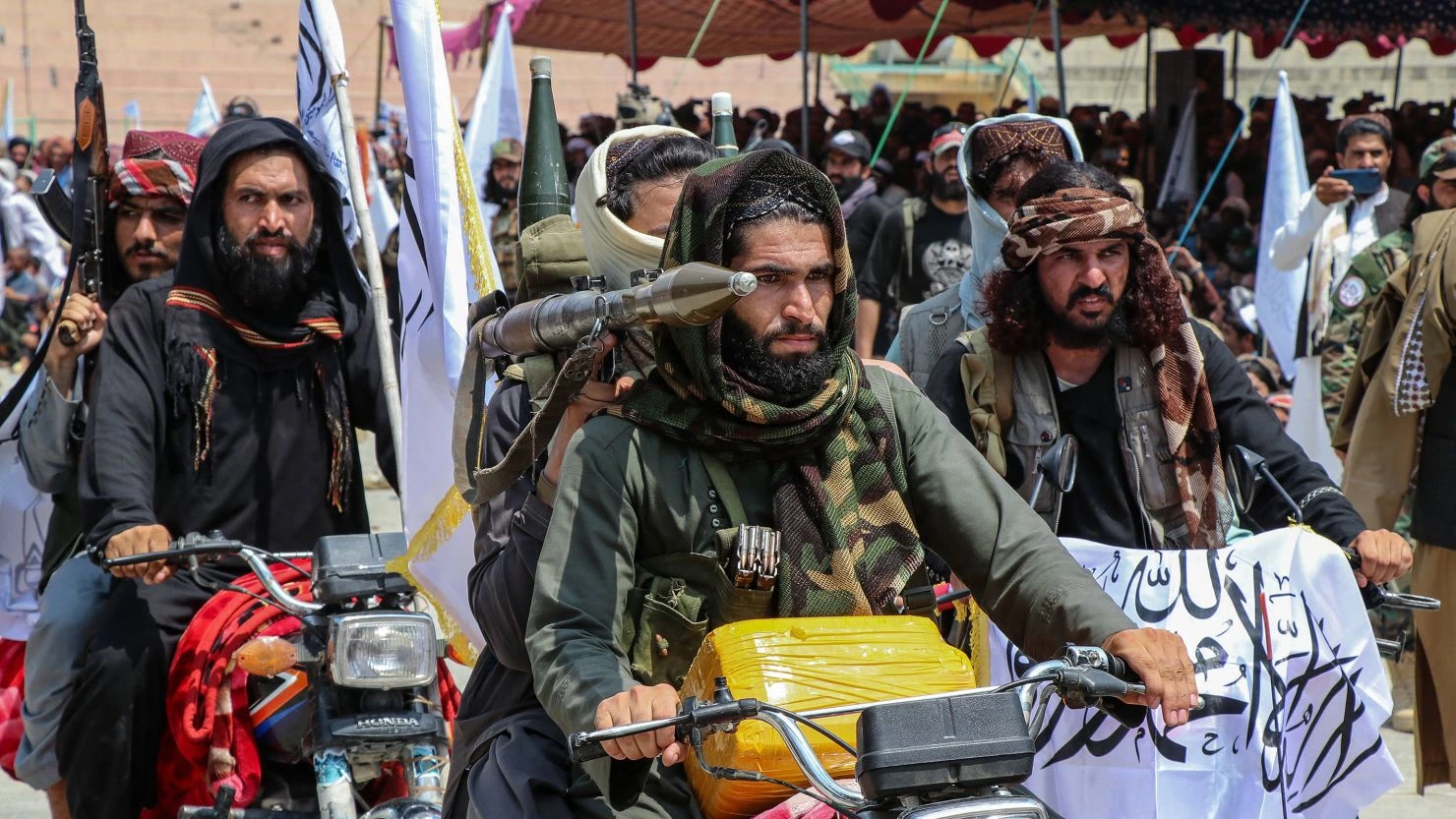
Afghanistan under the Taliban shelters terrorist groups threatening Pakistan’s security, necessitating proactive defense and regional coordination.
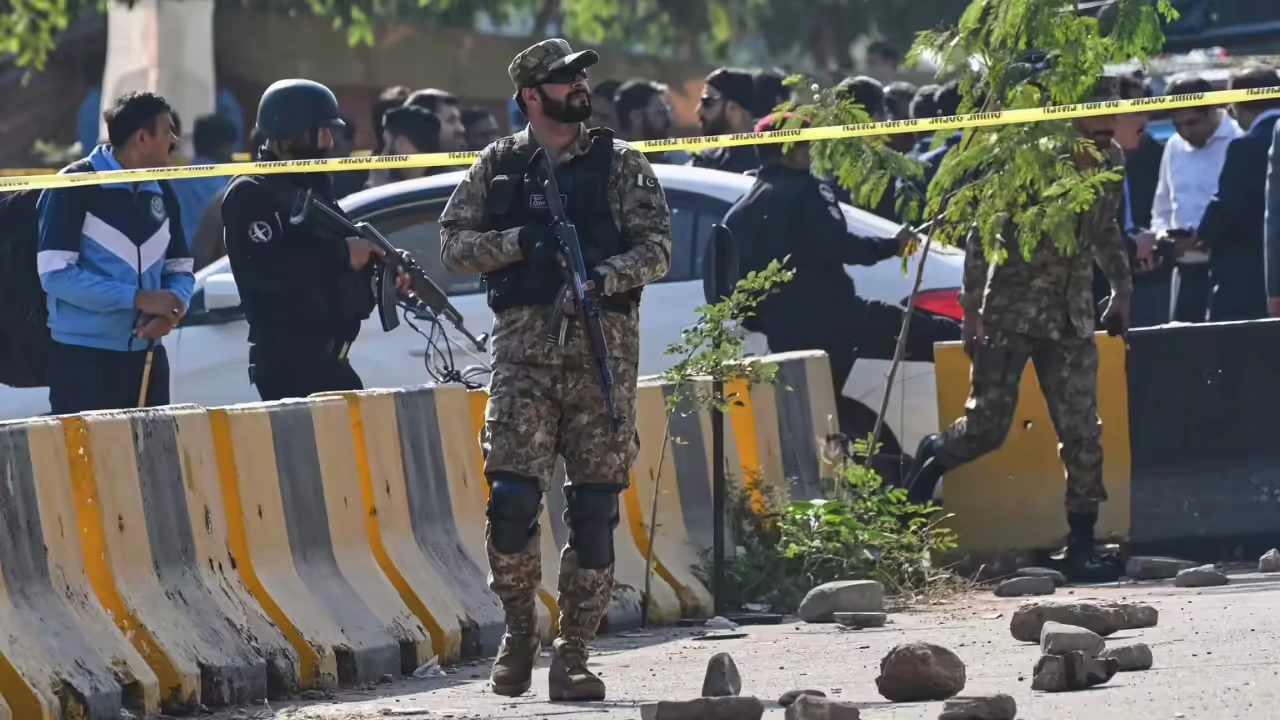
Investigations reveal Afghanistan functioning as a hub for orchestrated cross-border attacks, with India and Israel allegedly exploiting its territory to destabilize Pakistan, posing serious risks