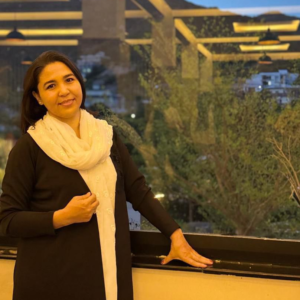
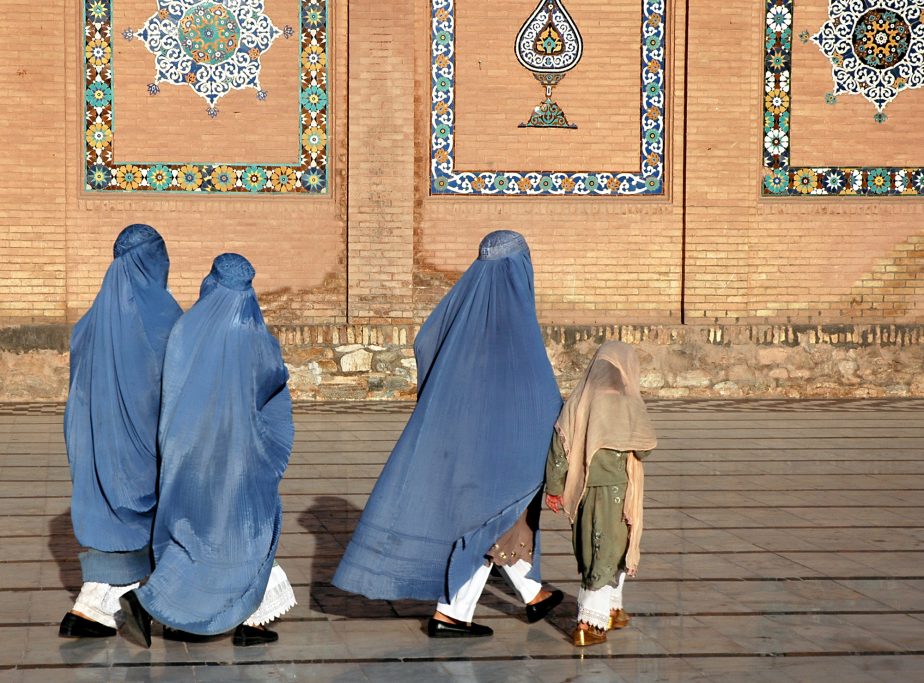
After the fall of the Islamic Republic of Afghanistan and the Taliban’s return to power in 2021, many people chose silence, a silence born of fear, despair, or coercion. In that suffocating atmosphere of terror, speaking out came at a heavy cost. Yet there were women who refused to disappear. Women who raised their voices despite threats, intimidation, and violence.I am one of those women. Exile, imprisonment, and Taliban threats could not silence me.
Both during the republic and after its collapse, I consistently stood against injustice and spoke out for dignity and equal rights. When Afghanistan changed overnight, I did not accept that women should simply accept erasure.
Taking to the Streets
After the fall of the government, I continued protesting in Mazar-e-Sharif. I stood publicly against repression, the systematic erasure of women, and discriminatory policies designed to remove us from society.
For me, taking to the streets was not merely an act of protest. It was a defense of human dignity. It was a defense of girls’ right to education, of freedom of expression, and of a future that should not be sacrificed to extremism.
Alongside other courageous women and girls, I raised my voice against the Taliban’s rule. We called on the international community and human rights institutions not to legitimize a regime that strips women of their basic rights. We urged them to recognize what is happening in Afghanistan as gender apartheid and to amplify the voices of Afghan women.
Gender Apartheid Is Not an Abstraction
What has been imposed on Afghan women is not a collection of isolated restrictions. It is a coordinated, systematic effort to erase half of society.
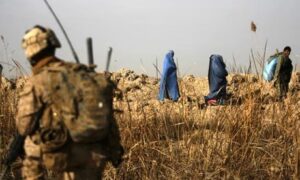
Girls have been banned from secondary and higher education. Women have been pushed out of jobs. Their mobility has been restricted. Their voices have been silenced. These are not accidental policies; they are deliberate acts of exclusion.
I stood against this structure of oppression because silence would have meant complicity. To remain quiet while an entire generation of girls is denied education is to accept a future built on inequality and fear.
The Cost of Resistance
Resistance came at a price. The Taliban arrested and imprisoned me, along with my young son. That experience remains one of the most painful chapters of my life. Prison was not just confinement; it was psychological pressure, fear, and suffering imposed on both a mother and her child.
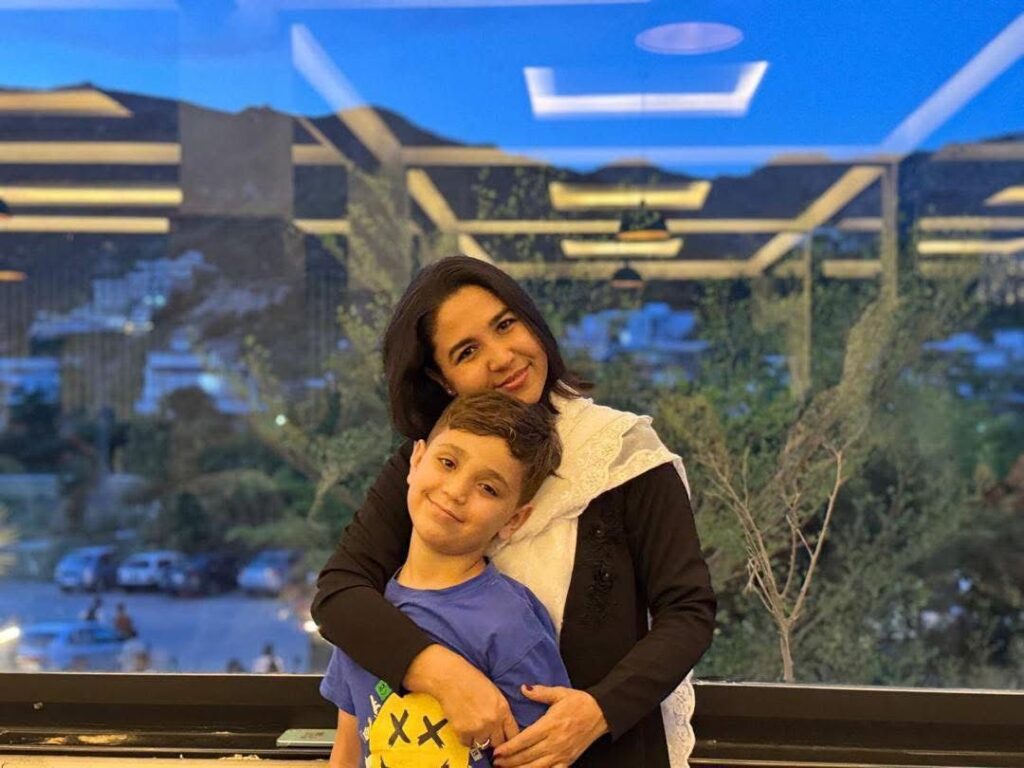
Four years have passed since those bitter days. Time has not erased the memories. It has not softened the trauma. But it has strengthened my resolve.
Oppression is not erased by silence. Crimes are not purified by the passage of time.
A Voice That Cannot Be Silenced
Even after my release, I did not abandon the struggle. Whether inside Afghanistan or now in exile, I continue to raise my voice. Exile may separate me from my homeland, but it does not separate me from my principles.
My story is not only my own. It represents a generation of Afghan women who have stood against systematic erasure and structural discrimination. “A voice in exile” means being forced from one’s land but refusing to surrender one’s ideals.
Today I may be far from Afghanistan, but I remain deeply connected to its women and girls. I will not remain silent in the face of oppression. I will not forget what has been done to us.
This is a story of resistance, resistance against gender apartheid, against imprisonment, and against an attempt to silence and erase me. And today, I continue my struggle stronger than before.
Because a voice that has survived prison and exile cannot be easily extinguished.