
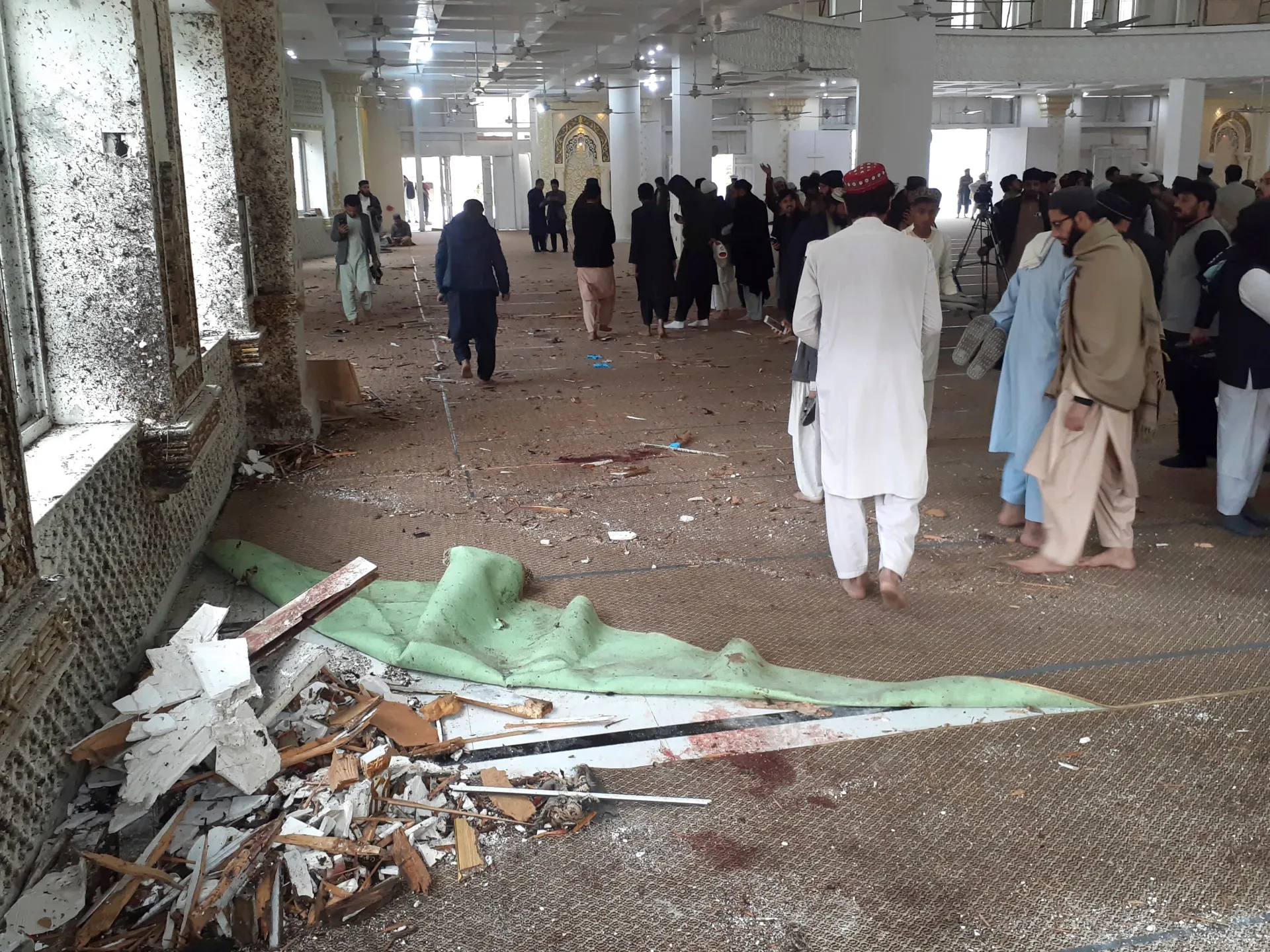
Persistent Threats to Religious Spaces
ISLAMABAD – Over the past two decades, Pakistan has witnessed numerous attacks on places of worship, resulting in the loss of thousands of innocent lives. Extremist groups, including factions influenced by Afghanistan’s Taliban, have repeatedly targeted mosques, shrines, and madrasas, demonstrating utter disregard for the sanctity of these sites and the civilians who gather there.
Security experts note that perpetrators who claim ideological motives rarely uphold the very religious principles they profess to defend. In fact, extremists often exploit religious sites for operational cover while simultaneously striking them with lethal violence.
Key Attacks Linked to Taliban-Influenced Groups
A chronology of major attacks in Pakistan linked to Taliban-influenced factions and Khwarij elements includes:
- Islamabad, Mosque Suicide Attack – 6 February 2026: Over 200 worshippers injured or killed.
- Hangu, Khyber Pakhtunkhwa – 29 September 2023: Mosque bombing killed 5 people.
- Peshawar, Police Lines Mosque – 30 January 2023: Suicide attack claimed 84 lives, mostly police personnel.
- Peshawar, Kucha Risaldar Mosque – 4 March 2022: At least 62 killed in a bombing.
- Lal Shahbaz Qalandar Shrine, Sehwan Sharif – 16 February 2017: Over 90 pilgrims killed.
- Parachinar, Kurram Agency – 23 June 2017: Car bomb near Imam Bargah killed 67.
- Mohmand Agency – 16 September 2016: Suicide bombing killed 36 worshippers.
- Jamia Masjid Hayatabad, Peshawar – 13 February 2015: 22 people killed.
- Shikarpur, Sindh – 30 January 2015: Mosque explosion killed 61.
- Parachinar, Kurram Agency – 4 February 2012: Suicide attack killed over 40.
- Khyber Agency Mosque – 19 August 2011: 43 killed.
- Hazrat Sakhi Sarwar Shrine, Dera Ghazi Khan – 3 April 2011: Over 50 pilgrims killed.
- Darra Adam Khel, National Mosque – 5 November 2010: 66 killed, 80+ wounded.
- Kurram Agency, Spin Tal Mosque – 26 August 2010: Suicide attack killed 33.
- Data Darbar Shrine, Lahore – 1 July 2010: 8 killed.
- Kohat, Khyber Pakhtunkhwa – 19 February 2010: 33 killed in mosque bombing.
- Parade Lane Mosque, Rawalpindi – 4 December 2009: 40 killed, mostly military personnel.
- Bari Imam Shrine, Islamabad – 27 May 2005: 20 pilgrims lost their lives.
Implications and Security Measures
These attacks highlight the persistent danger posed by extremist factions operating across borders. Analysts emphasize that targeting religious spaces violates fundamental human and religious rights and aims to spread fear and weaken social cohesion.
Pakistani authorities continue to probe cross-border links and operational networks that enable such attacks. Security forces maintain heightened vigilance at mosques, shrines, and madrasas nationwide. Experts stress that lasting solutions require enhanced regional cooperation, intelligence sharing, and strategies addressing the ideological roots of extremism.
Human Cost and National Priority
The human toll of these attacks is devastating. Communities remain traumatized, families mourn their loved ones, and faith in public safety is shaken. Protecting places of worship is a national imperative as Pakistan confronts the dual challenge of domestic and cross-border terrorism. Continued vigilance and proactive counter-terrorism measures remain essential to safeguard citizens and uphold the sanctity of religious spaces.