Growing Regional Security Concerns
A recent virtual meeting between Pakistan’s Special Representative for Afghanistan, Muhammad Sadiq Khan, and his Uzbek counterpart has drawn attention to the evolving security landscape in the region. The discussion centered on threats posed by militant groups operating from Afghanistan. Multiple international assessments, including reporting from Russia and the United Nations, estimate that between 20,000 and 23,000 militants are currently active in Afghanistan.
Among them, Tehrik-i-Taliban Pakistan (TTP) is believed to have 5,000–7,000 fighters, primarily targeting Pakistan. Reports also suggest the presence of over 2,500 Uzbek militants, making them one of the largest foreign militant groups in the country.
From Bilateral Issue to Regional Challenge
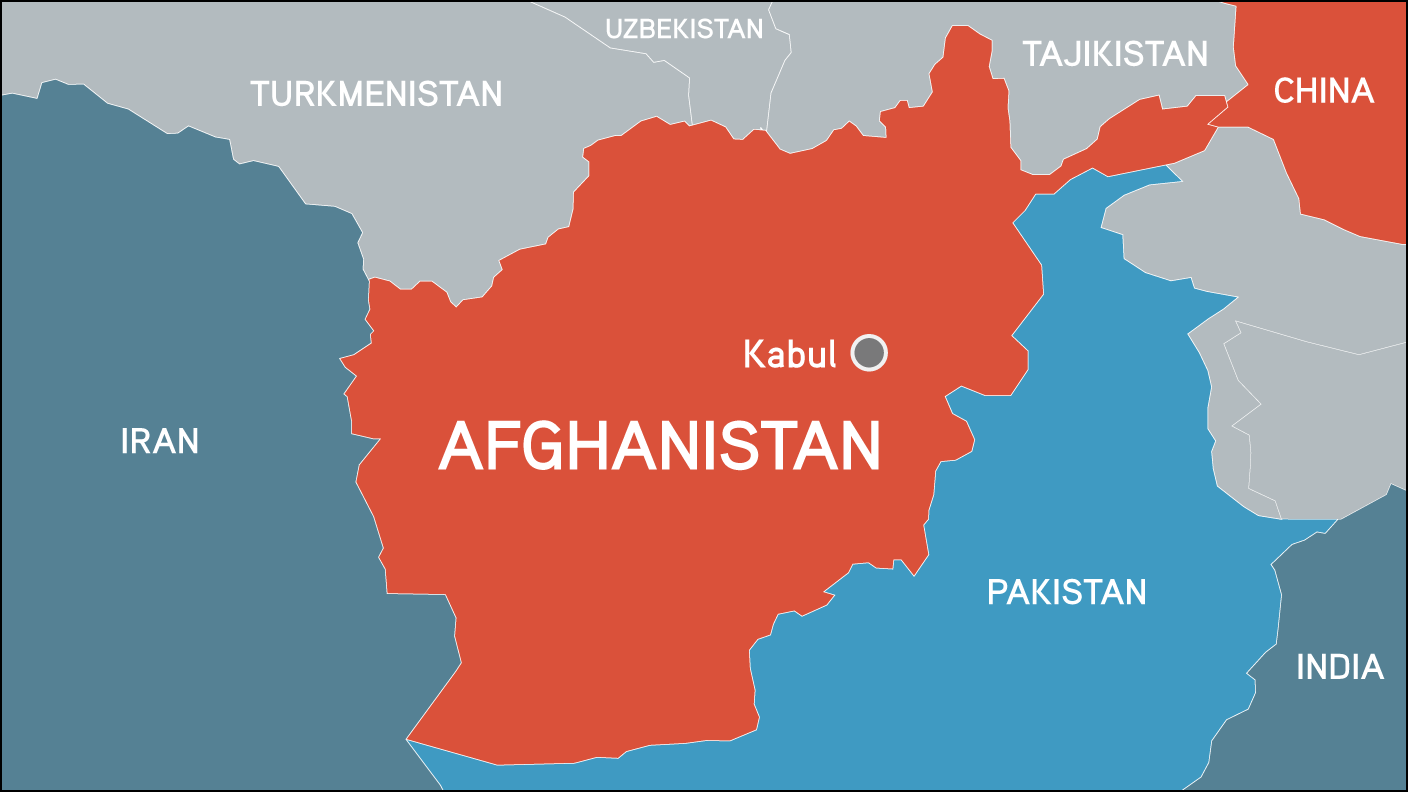
Since 2021, militant attacks inside Pakistan have risen sharply, with many incidents traced back across the Afghan border. Analysts note that while these groups remain active against neighboring states, they pose limited visible challenge to Afghanistan’s interim authorities.
With Pakistani, Uzbek, and other Central Asian networks operating in the same environment, the threat has become regional rather than bilateral. This growing reality underscores the importance of coordinated security efforts among Afghanistan’s neighbors to ensure lasting stability.