Kabul is a beautiful city. Cradled by mountains that have witnessed centuries of conquest, resilience, and reinvention, it carries in its soil the weight of a people who have never had the luxury of peace for long. But today, those same mountains do not just shelter a struggling population; they shelter a crisis that reaches far beyond Afghanistan’s borders, one that continues to bleed Pakistan and destabilise an entire region.
Words, at some point, stop being enough.
A Warning That Must Become a Verdict
Recent reports suggest that Taliban Supreme Leader Haibatullah Akhundzada has informally warned the banned Tehreek-e-Taliban Pakistan to halt attacks inside Pakistan, or risk losing Taliban allegiance. Islamabad has acknowledged this signal. Officials say Pakistan welcomes any indication of restraint from Kabul.
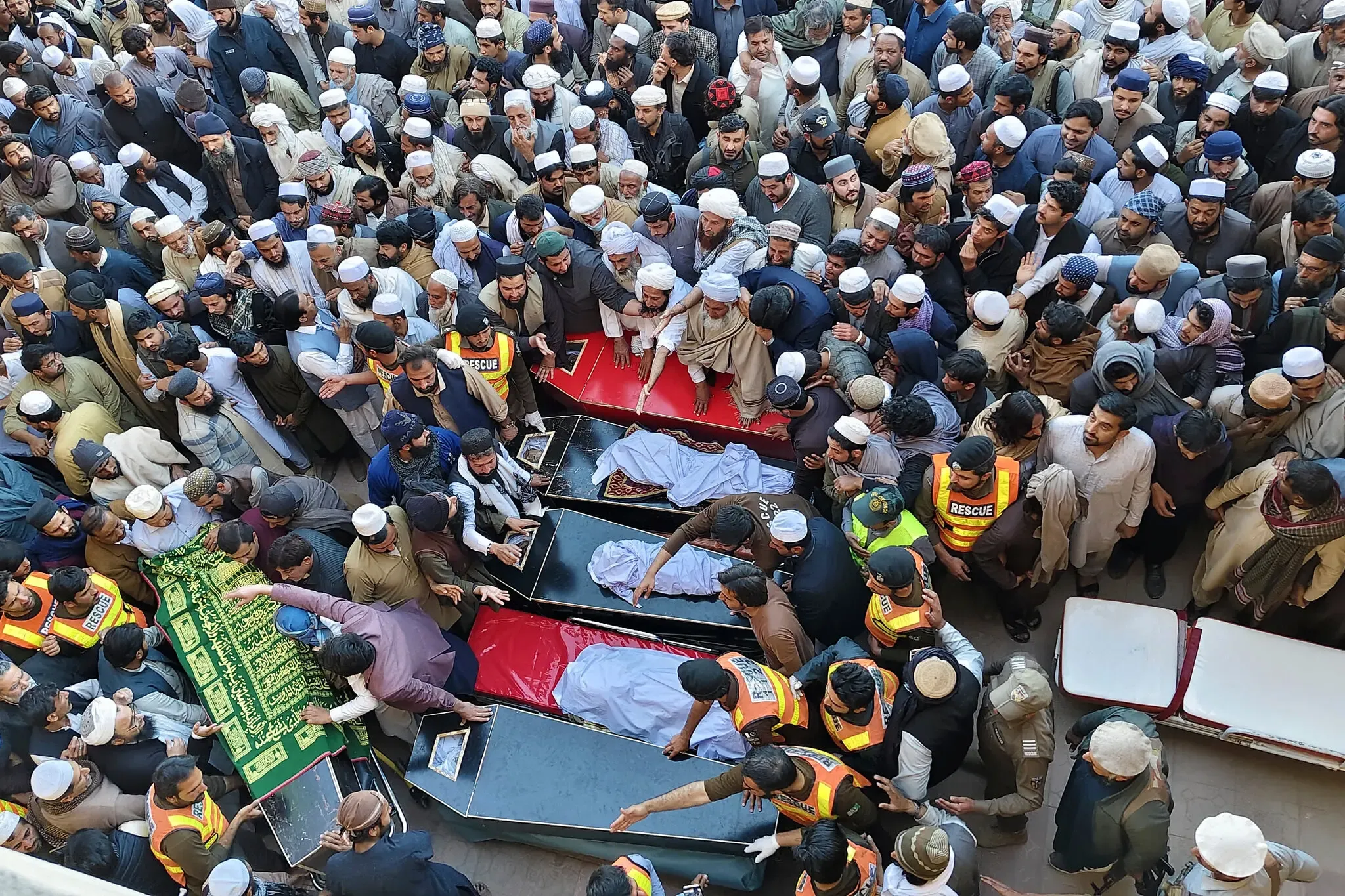
But can a nation that has buried its soldiers, its children, its farmers, its schoolgirls, and its officers in the thousands find comfort in an informal warning? Can a country that has redirected billions of dollars from hospitals and schools toward border fencing and counter-terrorism operations be satisfied with a quietly conveyed message?
The answer, plainly, is no. Confidence can only be built through verifiable action, not declaratory assurances.
Pakistan has heard words before. It has sat across negotiating tables, extended diplomatic courtesies, and kept trade corridors open even when security situations demanded otherwise. And still, an estimated 7,000+ TTP combatants and allied fighters operate freely inside Afghan territory, planning, training, and launching attacks across a border that divides two peoples who share language, culture, and blood.
The Humanitarian Tragedy Cannot Be Separated From the Security Reality
Any honest editorial about Afghanistan must confront the full picture, and the full picture is devastating.
According to the United Nations, 95% of the Afghan population faces food insecurity. An estimated 3.5 million children are malnourished. Nearly six million people are at grave risk of famine. The Taliban regime, controlling the country with a meagre and overstretched force, has created vast power vacuums across provinces, vacuums that transnational terrorist organisations have been swift to fill. Al-Qaeda, TTP, Islamic State–Khorasan Province (ISKP), and their affiliates have not merely survived in this environment. They have flourished in it.
This is not an argument against the Afghan people. It never has been. The Afghan people are themselves victims of ideology, of misgovernance, of international abandonment, and of geography that has made their land a permanent theatre for others’ wars. The distinction between the Afghan state and the Afghan people must remain clear, both morally and politically.
But clarity of compassion does not mean absence of accountability. An authoritarian regime that cannot feed its people, cannot govern its territory, and cannot, or will not, dismantle terrorist infrastructure that kills its neighbour’s citizens must be held to a standard beyond its own rhetoric.
The Core Challenge Has Not Changed
Let us state it without ambiguity:
The core challenge in Pakistan–Afghanistan relations remains the continued use of Afghan soil by anti-Pakistan terrorist organisations, particularly TTP and its affiliates. Counter-terrorism is not a peripheral or technical issue in this relationship; it is the principal determinant of bilateral trust, stability, and any future cooperation worth building.
Every conversation about trade, every discussion of China Pakistan Economic Corridor (CPEC) connectivity, every vision of a regionally integrated South and Central Asia collapses without addressing this foundational reality. Economic corridors cannot flourish under the shadow of cross-border terrorism. Security and economic cooperation are not separate tracks; they are the same track. One cannot move without the other.
Pakistan has consistently pursued engagement, diplomacy, and regional frameworks despite enduring provocations. That patience reflects strategic maturity. But patience without accountability is not diplomacy; it is concession.
What “Enough” Must Actually Look Like
The international community, regional actors, and Kabul itself must understand that progress in this relationship will henceforth be measured not by statements issued, but by outcomes delivered. The pathway forward requires three non-negotiable things:
First, credible, visible, and irreversible action against TTP networks operating from Afghan territory, not informal warnings, but documented dismantlement.
Second, institutionalised and verifiable counter-terrorism cooperation, intelligence sharing, joint border mechanisms, and agreed frameworks for handling militant presence, not ad hoc gestures timed to diplomatic pressure.
Third, international assessment of the Taliban regime’s counter-terrorism commitments must be grounded in measurable outcomes, not political statements. The world cannot continue rewarding declarations while ignoring the body count.
Pakistan remains committed, genuinely committed, to a peaceful, stable, and prosperous Afghanistan. The two countries are bound not just by geography but by an interdependence that neither can wish away. But the security of Pakistan’s citizens is non-negotiable. It cannot be traded for goodwill gestures or back-channel assurances.
A Word to Youth and Civil Society
Forums like PAYF exist precisely because governments, left alone, tend toward the familiar, statements, summits, and strategic ambiguity. It falls to youth, to civil society, to writers and thinkers on both sides of the border, to demand more.
Demand that the Afghan people not be held hostage to a regime’s inability to govern. Demand that Pakistan’s sacrifices, measured in lives, in treasure, in developmental opportunity lost, be taken seriously by the international community. Demand that the conversation about TTP not become another cycle of the same editorial, written again next year, with different dates but the same unresolved grief.
The mountains around Kabul have seen empires rise and fall. What they have rarely seen is sustained, honest accountability. That is what this moment requires, not another warning, but a verdict, followed by proof.