Afghanistan’s people deserve dignity, security, and a future shaped by inclusive governance. What they have instead is a regime that has turned their homeland into a stage for proxy politics, coercive rule, and militant sanctuaries. This editorial critiques the Taliban’s interim administration and its General Directorate of Intelligence (GDI), while maintaining a clear distinction: the Afghan nation is not the problem, the undemocratic Taliban apparatus is.
The nexus: strategic leverage over Afghan soil
India’s pursuit of influence in Afghanistan is not new, and states pursue interests, that is the nature of geopolitics. The problem arises when those interests exploit Afghanistan’s fragility. Since 2021, Kabul’s interim rulers have signaled an openness to external alignments, trading legitimacy and access for patronage and leverage. When Afghan soil becomes a platform for pressure against Pakistan, it deepens insecurity along the border, fuels mistrust, and diverts attention from governance, humanitarian relief, and state-building. This is not in the interest of Afghans; it serves a regime that thrives on external validation while failing its own citizens.
Taliban governance: undemocratic, exclusionary, and opaque
The Taliban’s political culture, now embedded in state structures, is hierarchical, secretive, and coercive. Power flows through a narrow religious-military core, not representative institutions. There are no free elections, independent courts, or checks and balances. Dissent is policed, civil society is constrained, and women’s participation is curtailed. Token appointments cannot disguise an order designed for control rather than consent. In a multiethnic society, such exclusion magnifies alienation: Tajiks, Hazaras, Uzbeks, and others see a government that neither represents nor protects them. The result is brittle stability, heavy on fear, light on legitimacy.
The GDI’s role: surveillance over security
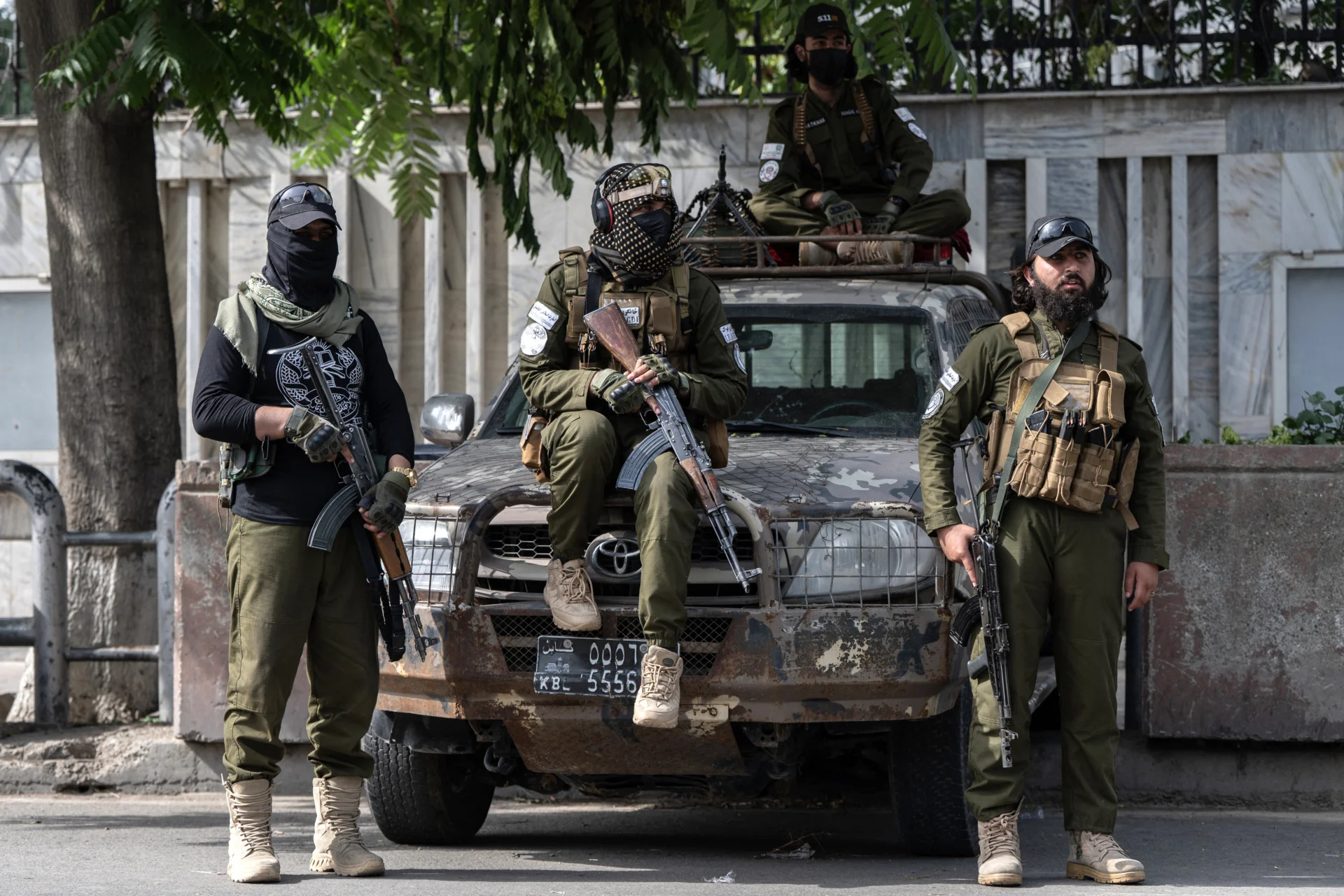
The General Directorate of Intelligence functions as the regime’s enforcement arm: surveilling communities, detaining critics, and censoring media. Instead of prioritizing counterterrorism and protection of civilians, it polices speech and consolidates regime dominance. This choice has consequences. When intelligence resources target journalists and community leaders more than militant networks, militants adapt and civilians suffer. A credible state invests in public safety and rule of law; a fearful state invests in silencing and spectacle.
Tehrik-e-Taliban Afghanistan: a destabilizing mirror
The Taliban’s relationship with militant actors compounds regional insecurity. Ideological affinities, shared recruitment geographies, and battlefield histories blur lines between governance and militancy. Whether labeled Tehrik-e-Taliban Afghanistan or aligned outfits, these groups benefit when authorities tolerate transit, training, and safe spaces. Cross-border violence and attacks that claim Pakistani lives are not accidents, they are enabled by permissive environments. This is a strategic choice by Kabul’s rulers, and it jeopardizes Afghanistan’s international standing, deepens isolation, and undermines any claim to responsible sovereignty.
Afghan people and Taliban regime
Afghans have endured decades of conflict, displacement, and economic collapse. They are not responsible for the regime’s decisions. The critique here targets undemocratic rule, militant accommodation, and proxy alignments, not Afghan identity. The international community must keep channels open for humanitarian aid, education, and livelihoods, while maintaining pressure on the Taliban’s leadership and security organs for verifiable reforms. Afghan voices, women, minorities, youth, professionals, deserve amplification, not collective punishment.
Costs of the nexus: instability, economic strain, and mistrust
Proxy politics corrodes trust. For Pakistan, it means heightened border insecurity, terrorist attacks, and forced resource diversion from development to defense. For Afghanistan, it means fewer partners, suspended recognition, and aid fatigue. Economically, landlocked Afghanistan depends on functional regional ties, transit corridors, and predictable trade. Security spillovers disrupt markets, inflate costs, and starve communities. In the long run, external alignments cannot substitute for inclusive institutions and domestic legitimacy.
What accountability should look like
Accountability must be concrete and verifiable: the regime should shut down training camps and transit routes, hand over fugitives, and permit third party monitoring to confirm counterterrorism action. The GDI must be reoriented toward public safety and counter militancy, ending arbitrary detentions while protecting journalists and civil society. Governance should become genuinely inclusive through consultative councils across provinces, guaranteed minority representation, and recognition of women’s participation in public life. External engagement must be transparent, making dealings public, rejecting covert arrangements that weaponize Afghan territory, and prioritizing regional confidence building. Finally, humanitarian safeguards are essential: ensure unhindered aid access, depoliticize distribution, and protect schools and clinics from coercion or disruption.
Conclusion
Afghanistan’s future does not have to be hostage to clandestine alignments and coercive rule. Exposing the India–Afghanistan nexus is not an invitation to punish Afghans; it is a call to confront a regime that converts vulnerability into leverage. The Taliban’s interim government and the GDI must be held to standards that protect people, not power: dismantle militant sanctuaries, end repression, and invest in inclusive institutions. Only then can Afghanistan reclaim credibility, and only then can the region move from suspicion to cooperation.
This stance is to defends the rights of Afghans against a political order that undermines them and insists that regional security be built on accountability, not proxy advantage.