Background
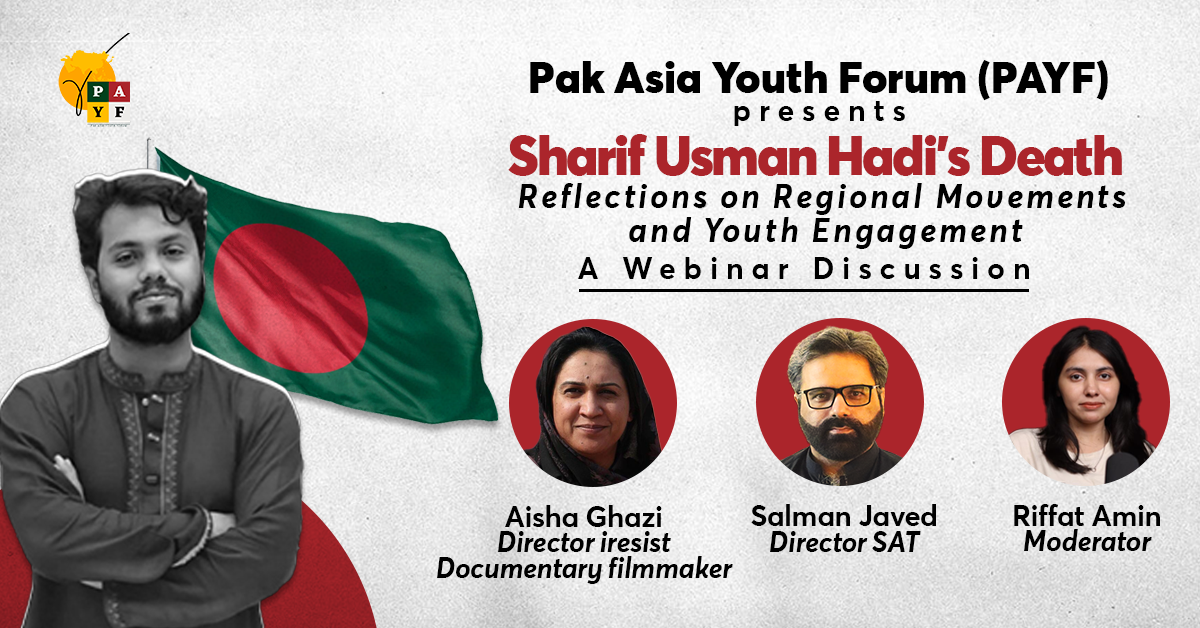
The webinar was convened to examine the death of Sharif Usman Hadi within a broader regional and ideological framework. Rather than limiting the discussion to the incident itself, the session sought to explore how such events intersect with youth-led movements, identity politics, and evolving power dynamics in South Asia. The discussion brought together researchers, analysts, and practitioners to reflect on how post-revolutionary environments can be shaped by both internal contestation and external influence.
Context
South Asia is undergoing a period of political flux marked by popular mobilizations, digital activism, and heightened narrative competition. In countries such as Bangladesh and Pakistan, youth-driven movements have increasingly challenged existing political structures, while simultaneously facing intense information warfare and psychological operations. The death of Sharif Usman Hadi was discussed against this backdrop, particularly in the context of Bangladesh’s post–July Revolution landscape, where societal change has not yet translated into corresponding political representation or institutional reform.
Key Points
- Post-revolutionary vulnerability: Revolutionary moments often open spaces for external influence, elite capture, and narrative manipulation if institutional safeguards are weak.
- Identity and cultural politics: Cultural and linguistic identities, while legitimate expressions of heritage, can be selectively amplified to reshape political loyalties and ideological orientations.
- Narrative warfare: Digital platforms play a central role in shaping perceptions, often framing resistance movements through polarized or delegitimizing narratives.
- Youth as primary targets: Young populations are at the forefront of mobilization but are also the most exposed to psychological and informational manipulation.
- Ideological autonomy: Preserving ideological independence requires historical literacy, intellectual confidence, and awareness of long-term strategic patterns rather than reactive politics.
Discussion Summary: Moderator and Guest Remarks
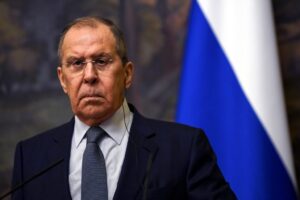
The moderator opened the discussion by raising the question of how regional movements can critically assess allegations of foreign involvement—particularly influence operations—without reducing complex realities into binary narratives. The focus was placed on maintaining analytical rigor while acknowledging historical patterns of regional interference.
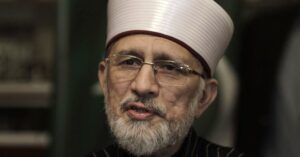
The guest speaker provided an in-depth analysis of Bangladesh as a case study, tracing how cultural discourse, language politics, and identity formation preceded political domination. The discussion highlighted how psychological conditioning, educational narratives, and media framing can gradually weaken a society’s ideological foundations. Parallels were drawn with Pakistan, emphasizing concerns over how cultural assertions can be politicized when detached from historical and civilizational context.
Another key intervention stressed the importance of ground-level research and first-hand observation, noting the gap between international media portrayals and on-the-ground realities. The speakers emphasized that policy analysis and youth engagement must be rooted in lived experiences rather than surface-level narratives circulated through digital media.
Sharif Usman Hadi’s death was discussed as part of a broader pattern in which political violence and targeted killings are followed by rapid narrative construction. Participants emphasized the importance of examining who benefits from such incidents and how they are used to frame broader ideological debates.
Closing Remarks
In closing, the speakers emphasized that the significance of Sharif Usman Hadi’s death lies not only in remembrance but in reflection. The session underscored the responsibility of youth, researchers, and media practitioners to engage critically with history, resist psychological manipulation, and safeguard ideological autonomy.
The webinar concluded with a call for sustained youth engagement, cross-border intellectual dialogue, and long-term investment in critical thinking and historical awareness. Participants were encouraged to move beyond reactive discourse and work toward translating popular mobilization into meaningful political and institutional participation.