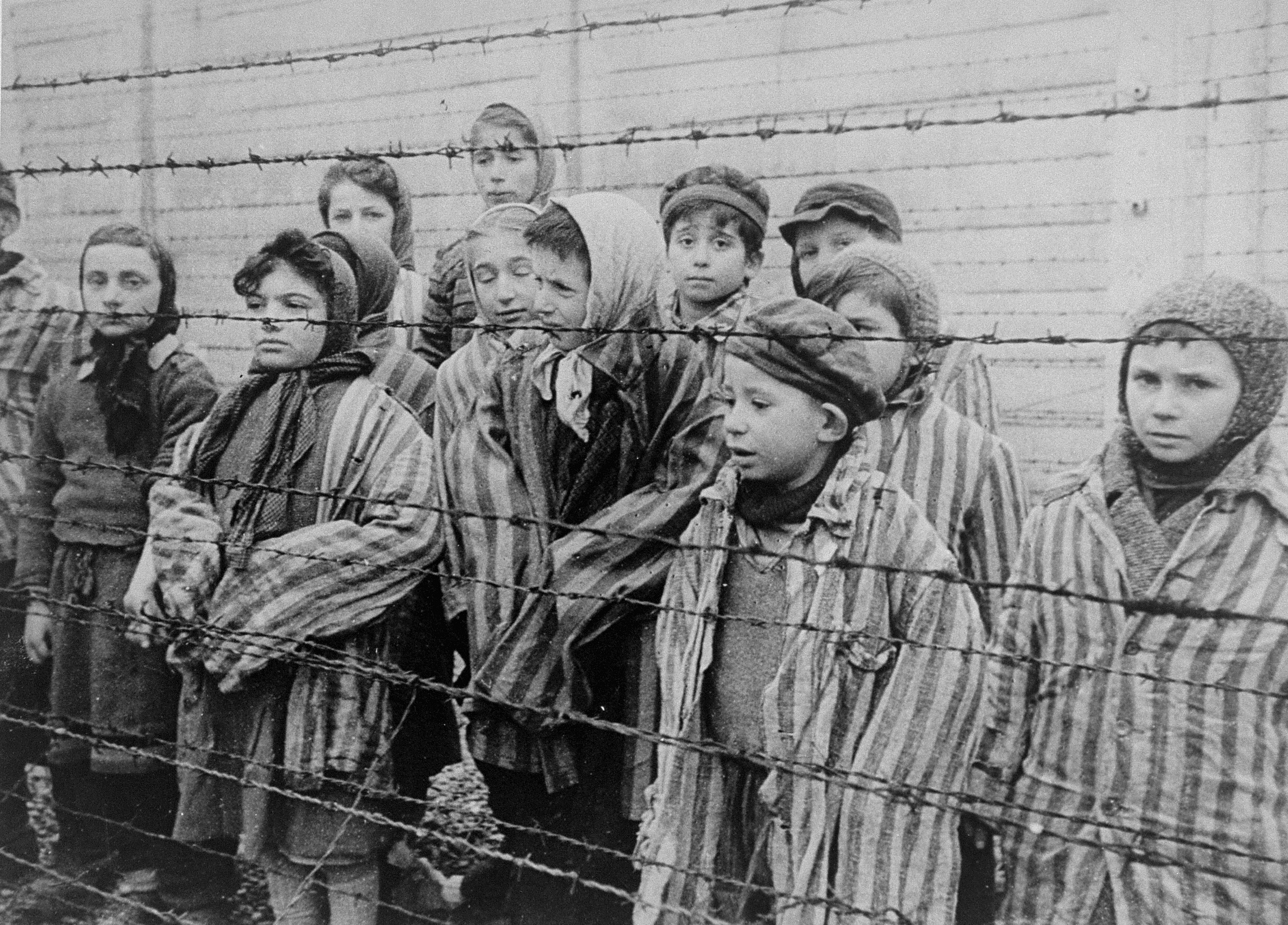
Eighty years after the end of the Second World War, the Holocaust stands as the most extensively documented reminder of how power, bureaucracy, and ideology can converge to dismantle human dignity. International Holocaust Remembrance Day, observed each year on January 27 to mark the liberation of Auschwitz-Birkenau, commemorates the six million European Jews systematically exterminated by Nazi Germany, alongside millions of others Roma, political dissidents, persons with disabilities, Slavs, and sexual minorities erased through a state-directed machinery of death. Remembrance, however, extends beyond mourning. It compels scrutiny of governance, legality, and collective responsibility.
Genocide as Statecraft
The Holocaust unfolded through administrative order rather than chaos. Executive decrees, court rulings, census records, and railway schedules enabled extermination with chilling efficiency. The 1935 Nuremberg Laws stripped Jews of citizenship and legal protection, embedding exclusion within the legal framework long before deportations began. By 1942, the “Final Solution” formalised mass murder as government policy.
This progression reveals a disturbing truth: atrocity can emerge through functioning institutions when ethics yield to ideology. Courts enforced discriminatory statutes. Civil servants complied with administrative directives. Ordinary structures adapted to extraordinary cruelty. The Holocaust therefore illustrates how legality, detached from moral restraint, becomes an instrument of destruction.
Patterns of Dehumanisation Across Continents
The Holocaust’s relevance extends across geography and time. Rwanda’s genocide followed the bureaucratic classification of ethnicity. Bosnia’s ethnic cleansing emerged through legal and administrative separation. In Myanmar, citizenship laws rendered Rohingya communities stateless before forced displacement accelerated. Each case followed a familiar pattern: exclusion became institutional before violence became visible.
History demonstrates that mass atrocity advances incrementally. Language narrows belonging. Law converts rights into conditional privileges. Social narratives normalise inequality. The Holocaust remains the clearest illustration of this progression.
Law as Moral Boundary
One enduring lesson of the Holocaust concerns the vulnerability of legal systems. International law emerged from the war’s devastation to restrain state violence and protect civilians. Genocide conventions, human rights treaties, and international courts aimed to prevent repetition. Uneven enforcement, however, has weakened these safeguards.
When legal principles apply selectively, legitimacy erodes. When civilian suffering is rationalised through strategic logic, precedent hardens. Holocaust remembrance demands universality: consistent standards across borders, conflicts, and alliances.
Generational Responsibility
Four generations separate the present from the Holocaust. Survivors diminish with time, yet responsibility expands. Memory now rests with educators, journalists, institutions, and policymakers. Education assumes central importance, serving as critical inquiry into how societies abandon restraint and normalise injustice.
The Holocaust teaches that silence accelerates cruelty. Indifference allows dehumanisation to advance unchecked. Societies adjust gradually to exclusion, often mistaking compliance for stability.
Beyond Commemoration
International Holocaust Remembrance Day carries weight only through application. Condemnation without vigilance lacks substance. Mourning without ethical reflection risks ritualisation. Remembrance acquires meaning through resistance to dehumanisation wherever it appears in laws that stratify citizens, rhetoric that frames minorities as threats, and governance systems that reward loyalty over accountability.
History clarifies consequence. When exclusion becomes policy, violence follows. When hierarchy shapes law, dignity collapses. The Holocaust confirms this sequence with unmatched clarity.
Conclusion: Memory as Civic Obligation
Holocaust remembrance concerns the present as much as the past. It challenges societies to recognise early warning signs, to ensure law serves justice rather than power, and to anchor governance in human dignity.
Eighty years on, remembrance remains a civic obligation that transcends geography and identity. The Holocaust endures as history’s most severe warning: when humanity yields to hierarchy and law abandons ethics, civilisation itself fractures.