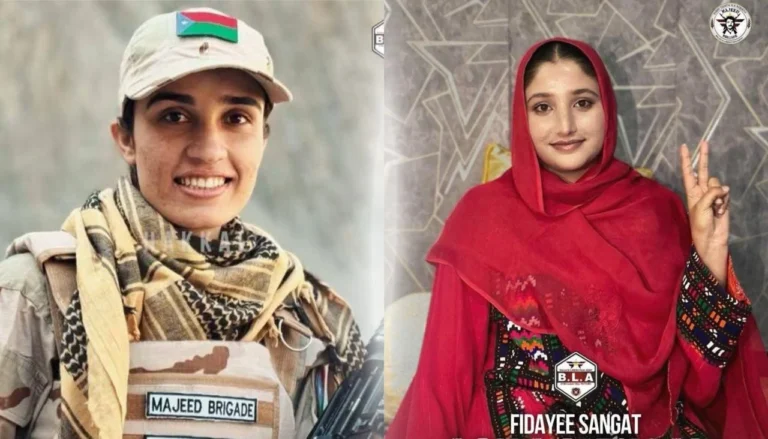
The recent disclosure by the Baloch Liberation Army (BLA) of Hatam Naz Sumalani code name Gul Bibi, as the fourth female fidayee of the Majeed Brigade underscores a worrying shift in militant tactics in Pakistan. At sixty, Sumalani’s journey into armed militancy, marked by prior injury and forced disappearance, illustrates how extremist networks are adapting to maximise operational impact while leveraging the symbolic power of women combatants. Her story is a stark reminder that the threat posed by violent groups is evolving and demands an equally dynamic response.
Women in Militancy: Lessons from Around the World
The use of women in violent campaigns is a troubling global pattern. From the Tamil Tigers in Sri Lanka to Boko Haram in Nigeria, female combatants have been deployed to bypass security protocols and amplify psychological impact. The strategic inclusion of women allows militant groups to exploit societal perceptions and media attention, often making counterterrorism efforts more complex. In Pakistan, the emergence of female fidayees signals that extremist organisations are employing similar strategies to widen their operational reach and challenge state security mechanisms.
Security Implications for Pakistan
The deployment of elderly and female combatants represents a tactical evolution for militant networks. Intelligence-driven operations and heightened vigilance are essential to preempt attacks and dismantle these networks before they strike. Security forces have already neutralised numerous militants in recent operations, demonstrating Pakistan’s capacity to respond effectively. However, the adaptation of militant tactics, including the mobilisation of women, highlights the need for continuous strategic foresight and robust coordination among law enforcement agencies.
Societal Impact and Public Resilience
The use of women in violent operations carries significant societal consequences. It threatens public safety, erodes social stability, and seeks to normalise extremist narratives within communities. International experience, from Colombia’s FARC insurgency to the Taliban’s mobilisation of children and women, shows that such strategies are designed to spread fear, manipulate perceptions, and extend the influence of militant networks. Pakistani society’s resilience, coupled with strong cooperation with security forces, remains crucial in countering these threats.
Conclusion: Vigilance and Unified Response
Hatam Naz Sumalani’s case is both a warning and a call to action. It demonstrates that militant networks are becoming more innovative, using symbolic figures to challenge state authority and security structures. Pakistan’s strategy must combine intelligence-driven operations, community engagement, and societal resilience to prevent the spread of extremist narratives. Vigilance, coordination, and an unwavering commitment to law enforcement are vital to ensuring the safety of citizens and the continued stability of the nation.