The US Commission on International Religious Freedom (USCIRF) has once again spotlighted Afghanistan as a global epicenter of religious persecution, recommending the Taliban-led government be placed on the “Countries of Particular Concern” (CPC) list. This designation underscores a grim reality: under Taliban rule, religion is no longer a matter of personal faith but has been weaponized as an instrument of authoritarian control. The 2026 Taliban Criminal Procedures Code has formalized this system, embedding a hierarchical, theocratic order that threatens both social cohesion and human rights.
Weaponization of Religion and Sectarian Suppression
Central to Taliban governance is the enforcement of a narrow and distorted interpretation of Hanafi jurisprudence, criminalizing theological diversity. Articles within the 2026 code explicitly target non-Hanafi Muslims, including Shi’a Jafari, Ismaili, Ahl-e-Hadith followers, and non-Muslim minorities, categorizing them as heretics. Legal penalties for deviation range from imprisonment to death under the pretext of safeguarding “public interest.” This framework consolidates power within a small clerical elite and also echoes historical patterns of persecution seen during the Taliban’s 1996–2001 rule. The systematic targeting of religious minorities reflects a deliberate strategy to erase pluralism, creating a state where compliance is enforced through fear and exclusion rather than dialogue and inclusion.
Hierarchical Governance and Social Control
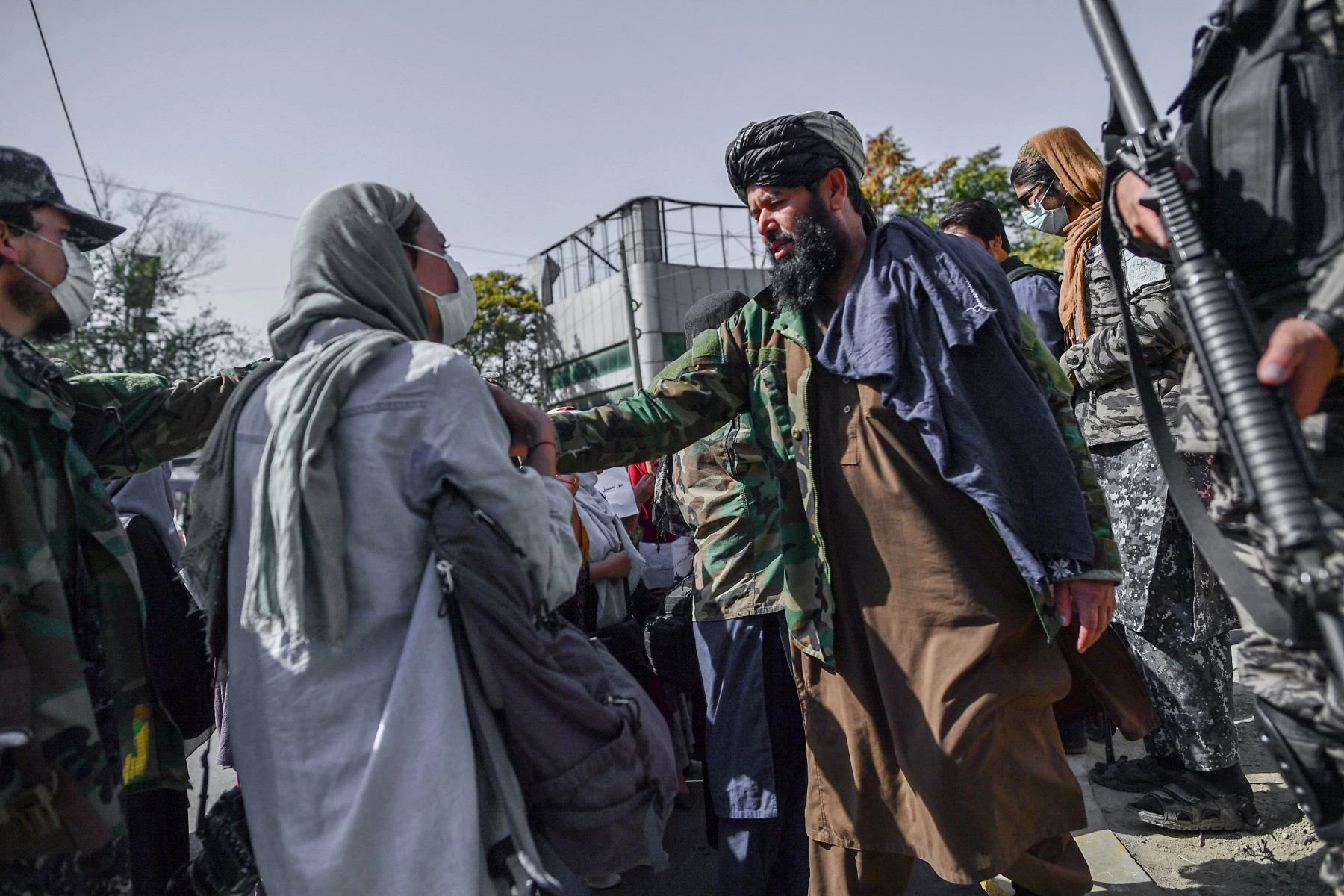
The Taliban have institutionalized a social hierarchy in which Ulema and elites enjoy relative privilege, the middle class faces imprisonment, and lower strata are subjected to corporal punishment. Ordinary citizens are coerced into becoming informants under Article 19, with sheltering “rebels” or dissenters punishable by imprisonment or flogging. Cultural expressions, gatherings, and even routine social interactions are heavily surveilled, demonstrating the regime’s deep intrusion into private life. By codifying social and legal inequality, the Taliban have created a rigid clerical class system that perpetuates oppression and ensures permanent subjugation of the marginalized.
Gender Oppression and Educational Denial
Women and girls are the most acutely affected. Edicts prohibit girls over 12 from attending school, while women are barred from public speech, employment, or independent mobility. Domestic confinement is legally sanctioned, with penalties for those aiding women in defiance of these rules. Taliban authorities manipulate religious rhetoric to justify these restrictions, a distortion of Islamic principles that traditionally advocate gender equality in education, work, and civic participation. The systemic denial of rights is a deliberate tool to suppress half of Afghanistan’s population, entrenching patriarchal authority under the veneer of religious legitimacy.
Regional and Global Implications
The Taliban’s codified oppression has drawn criticism from scholars and clerics across Pakistan and Afghanistan, including the Islamabad Declaration, which condemned restrictions on female education and hierarchical social ordering. The persecution of minorities, suppression of dissent, and institutionalized inequality jeopardize social cohesion, fuel sectarian tensions, and tarnish the global perception of Islam. Internationally, the USCIRF’s CPC recommendation is a call for sustained diplomatic engagement, humanitarian preparedness, and regional theological discourse to counter the erosion of pluralistic norms.
Conclusion: A State of Entrenched Autocracy
Afghanistan under the Taliban represents a grim experiment in theocratic autocracy. By weaponizing religion, criminalizing dissent, and enforcing gendered and social hierarchies, the regime has constructed a society where fear dictates behavior, legal equality is nonexistent, and human rights are routinely violated. The CPC recommendation is not merely symbolic; it reflects an urgent need for global attention, advocacy, and strategic intervention to protect religious freedom, gender equality, and the dignity of Afghan citizens. The international community faces a pressing moral and strategic challenge: confronting a regime that cloaks repression in religious legitimacy while systematically dismantling the foundations of a pluralistic society.