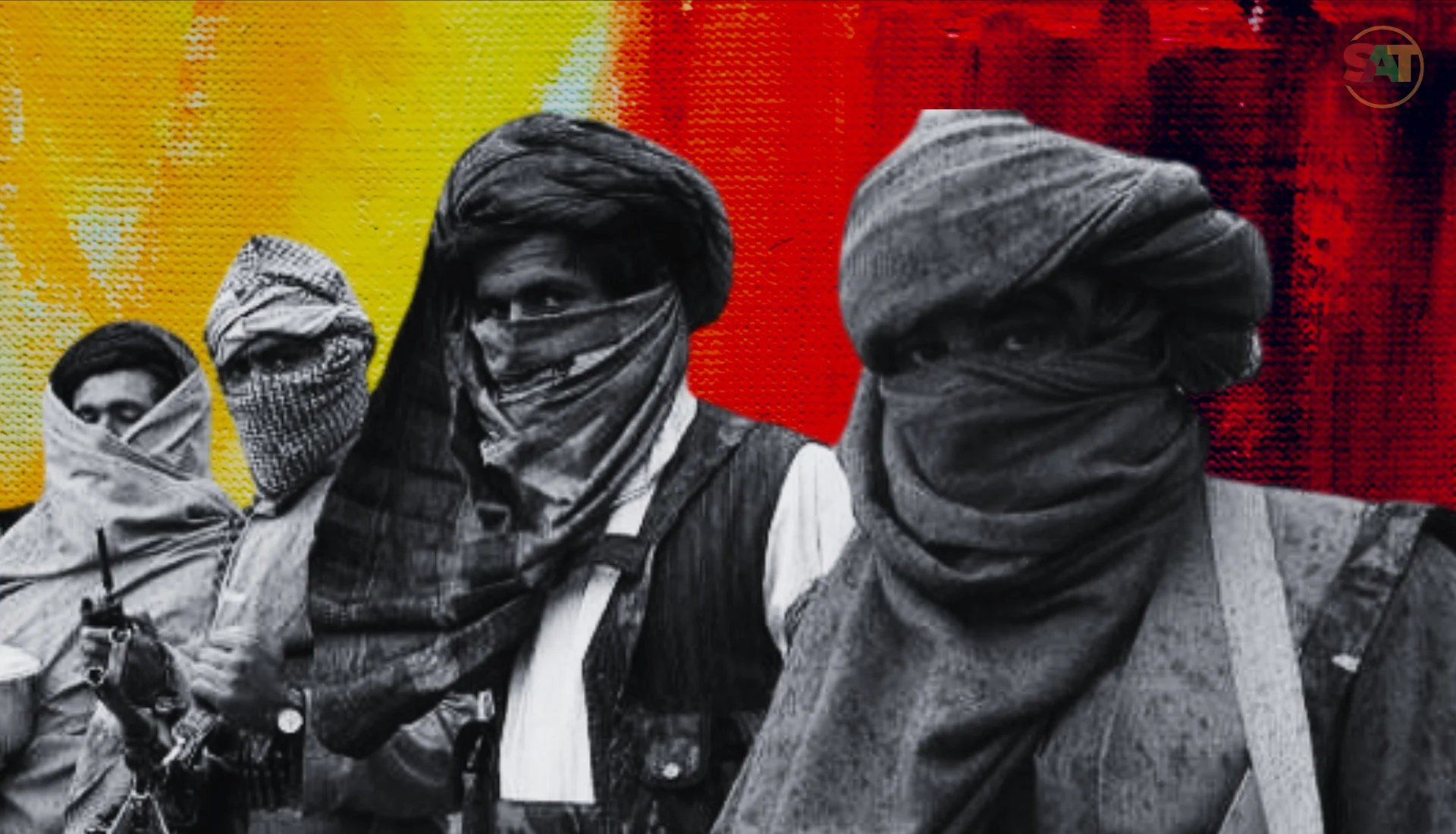
Pakistan’s leading religious scholars have issued a unified condemnation of the extremist faction formally designated as Fitna Al-Khawarij, exposing its ideology as a corrosive force that violates both Islamic principles and universal human values. Armed attacks, suicide bombings, and the indiscriminate killing of innocents, hallmarks of this group, are unequivocally haram and constitute fasad fi al-ard, a corruption of the Earth forbidden in Islam. By distorting faith for violent purposes, the group erodes moral and social order while threatening national security.
Distorted Faith and Misguided Doctrine
Fitna Al-Khawarij openly defies the Quran and Hadith, manipulating scripture to justify terror. Leadership cloaks brutality in religious rhetoric, portraying themselves as defenders of Islam while targeting fellow Muslims. Historical parallels with the Khawarij of the First Fitna (656–661 CE) notorious for declaring other Muslims apostates to justify bloodshed, underscore the group’s ideological deviation. The landmark Paigham-e-Pakistan fatwa, endorsed by over 5,000 scholars across all major sects, clarifies that Pakistan is an Islamic Republic whose constitution aligns with the Quran and Sunnah. Armed rebellion against it is not jihad but fasad fi al-ard, decisively delegitimizing the TTP’s narrative of “defensive jihad.”
Distorting Islam to Justify Violence
The extremist faction systematically distorts key religious concepts. It misuses takfir to label the state, armed forces, and civilians as infidels to justify killings, whereas Islamic jurisprudence strictly forbids such indiscriminate accusations and rebellion against legitimate authority. Similarly, jihad is presented as perpetual war to enforce ideology, but Islamic law allows only the state to declare jihad and prohibits violence against Muslims. Suicide bombings are framed by the group as acts of martyrdom, yet targeting innocents is strictly forbidden in Islam. The rejection of lawful rulers and establishment of parallel courts constitutes blatant usurpation, violating obligations of obedience and governance in Islamic doctrine.
In simpler terms, the group distorts four core principles: they misuse takfir to accuse the state, armed forces, and civilians of being infidels, which is sinful and forbidden; they present jihad as perpetual war to enforce ideology, whereas Islamic law restricts jihad to state authority and forbids violence against Muslims; they glorify suicide bombings as martyrdom, even though targeting innocents is strictly prohibited; and they reject lawful rulers, establish parallel courts, and usurp authority, all of which are haram under Islamic governance.
Leadership Hypocrisy and Exploitation of Youth
While projecting an image of piety, Fitna Al-Khawarij leaders are deeply implicated in corruption, extortion, abduction, and narcotics trafficking. Intelligence reports confirm that their operations misappropriate funds and exploit communities they claim to defend. Their professed struggle against non-Muslims is a façade; the true campaign targets ordinary Pakistanis and the Muslim community, revealing a profound divergence between rhetoric and reality.
Perhaps the most dangerous aspect of their operations is the manipulation of young individuals. Under the guise of spiritual duty, impressionable youth are coerced into committing violent acts, indoctrinated with false promises of paradise, and transformed into instruments of extremist ideology. This cycle of radicalization not only threatens the moral fabric of families but also undermines societal cohesion and the collective ethical grounding of communities.
National Security and Humanitarian Concerns
The faction’s activities have exacerbated sectarian tensions and triggered humanitarian emergencies in conflict-affected regions. Attacks on civilians, targeted killings, and blockades illustrate a deliberate strategy to destabilize society, testing the resilience of institutions and exploiting fault lines for ideological gain. In response, Pakistan has adopted a multi-layered strategy combining intelligence-led operations, enhanced border security, and ideological countermeasures. Operation Azm-e-Istehkam exemplifies kinetic action, while official narrative campaigns delegitimize the TTP by designating it as Fitna Al-Khawarij, framing the group as heretical rather than merely insurgent. This approach reinforces societal moral clarity and denies the extremists any ideological legitimacy.
Regional Dimensions and Strategic Response
Cross-border sanctuaries in Afghanistan continue to provide operational support to Fitna Al-Khawarij. Pakistan’s calibrated blend of diplomacy, border management, and narrative countermeasures addresses this regional dimension without compromising national sovereignty. Updates to the National Action Plan prioritize protection of minorities, constitutional compliance, and counter-extremism education, ensuring that ideological vacuums cannot be exploited.
The designation of the TTP as Fitna Al-Khawarij represents a pivotal moment in Pakistan’s fight against ideological terrorism. By combining theological clarity, legal authority, and operational precision, the state dismantles the moral and religious justifications for insurgency, safeguards territorial integrity, protects Islam from internal distortion, and reinforces national stability, peace, and social cohesion.