Sovereignty, Stability, and Humanitarian Commitment
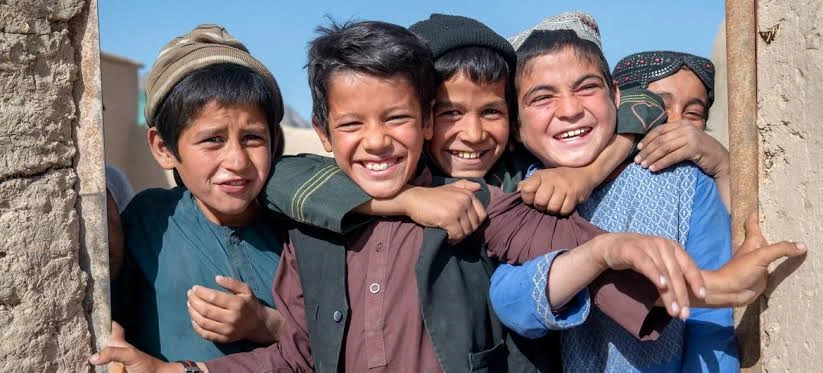
In 2025, global migration has reached a critical juncture, compelling even the most developed nations to balance humanitarian responsibility with national interests. European states, despite substantial resources, have adopted measures such as deportations, border restrictions, and security-focused policies to manage refugee pressures. These developments set a valuable precedent for Pakistan, which has hosted millions of Afghan refugees for over four decades amid economic and security challenges of its own.
Pakistan’s approach through the Illegal Foreigners Repatriation Plan (IFRP) reflects a careful balance: safeguarding national stability while providing temporary shelter to those displaced. By harmonizing humanitarian compassion with pragmatic governance, Pakistan demonstrates that its refugee policy aligns not only with global principles but also with the country’s own stability and development priorities.
Lessons from Europe
Even wealthy European nations confront practical limits in hosting displaced populations. Restrictions, repatriation measures, and migration controls highlight that refugee protection has operational boundaries. If Europe cannot offer indefinite refuge, Pakistan with fewer resources and a GDP per capita of $1,710 cannot be expected to do so.
This reality underscores that sovereign nations have the right and responsibility to protect their citizens while offering regulated humanitarian support. Pakistan’s policies adhere to international norms and demonstrate a principled, globally consistent approach that upholds both humanitarian values and national stability.
Decades of Humanitarian Leadership
Pakistan’s commitment to Afghan refugees spans more than forty years, exceeding the duration and consistency seen in most European responses. Historically, refugees were provided temporary protection rather than permanent settlement, a principle now widely recognized internationally.
Structured repatriation under the IFRP mirrors orderly migration strategies adopted globally. It ensures resource efficiency, refugee welfare, and border security, demonstrating Pakistan’s ability to combine humanitarian responsibility with practical governance while supporting national stability and international principles.
Economic and Security Realities
Pakistan faces inflation, unemployment, population pressures, and cross-border security threats. Attacks linked to groups operating from Afghan territory underscore the risks posed by unregulated populations.
Through structured repatriation and residency verification via PoR cards, Pakistan ensures orderly migration while protecting citizens and minimizing vulnerabilities. This policy reflects a balance between humanitarian care, national security, and adherence to global standards.
Global Standards and Fair Expectations
Experts emphasize that developing countries should not be held to higher standards than developed nations. Pakistan’s refugee policies comply with the Foreigners Act 1946, which empowers states to regulate the stay and departure of non-citizens. Meanwhile, Western countries often impose restrictive quotas or face delays in resettlement, leaving frontline states like Pakistan to bear disproportionate responsibility.
Structured, temporary protection reflects a responsible, legally grounded, and globally consistent approach, fulfilling humanitarian obligations while safeguarding domestic stability.
Regional Security Context
South Asia’s volatile security environment necessitates vigilant border management. Afghan territory has occasionally been used by hostile groups to conduct operations in Pakistan. Effective repatriation safeguards against misuse of refugee populations and fulfills the state’s sovereign duty to ensure national security.
Conclusion: Responsible and Pragmatic Humanitarianism
Pakistan’s refugee strategy exemplifies governance that is compassionate, pragmatic, and aligned with both global principles and national stability. Learning from Europe while addressing domestic economic and security challenges, Pakistan continues to provide structured humanitarian assistance without compromising its internal resilience.
By combining temporary shelter, orderly repatriation, and border management, Pakistan upholds the dignity of refugees while protecting its citizens a model of principled, globally consistent, and stability-focused humanitarian policy.