Afghanistan’s Geopolitical Significance and Strategic Location
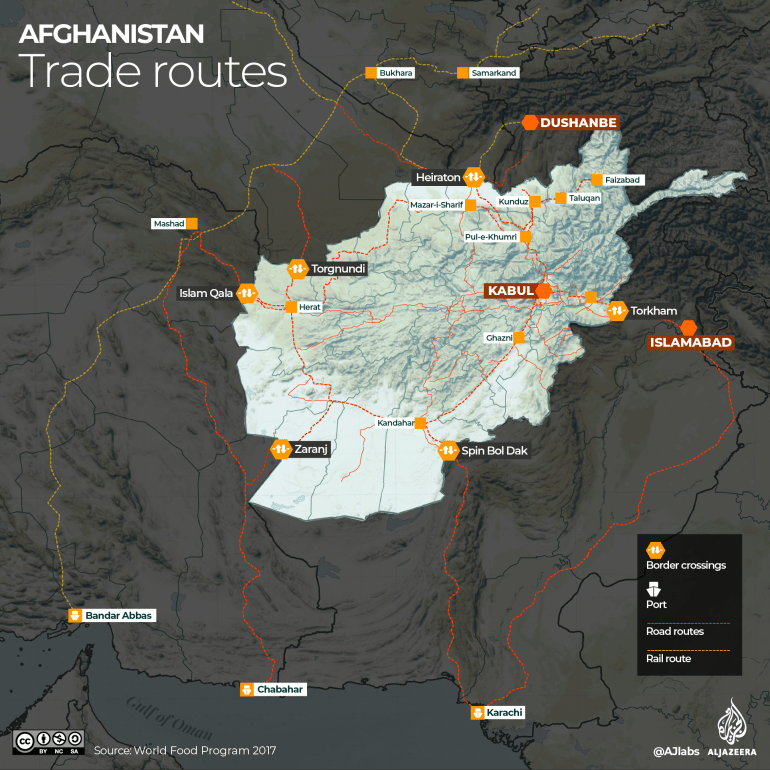
Afghanistan; a focal point for many geo-political interests due to its geographical position. A part of land that connects various regions with each other like West Asia, South Asia, Central Asia and then through these regions get direct access to the other regions Middle East, East Asia, Europe,etc. this makes Afghanistan a potential bridge for trade, energy pipelines, and cultural exchange. The Taliban are mostly isolated by western powers, are always trying to build friendly relations with foreign capitals closer by. They simply not refused but they must deal with the Taliban on security and economic issues. Regional engagement remains limited almost due to mistrust issues and hurdles raised by Western Sanctions. Difficulties in the relationship between Afghanistan and its neighbors affect lives and livelihoods across the whole region and neighbor regions as well. Kabul and its regional partners should always finding the ways of expanding trade, resolving disputes over water and other shared resources and combating transnational militancy. Failure could result in form of instability in a vast area.
Instability, Foreign Interventions, and Security Challenges
Afghanistan has been unstable from many decades due to different reasons like civil wars, frequent coups, and violent transfers of power. Afghanistan is rich in natural resources that are considered as a major reason for the interest of super power in the state of Afghanistan. But Afghanistan is commonly known as Graveyard of super powers because whoever tries to invade Afghanistan; fails badly. Soviet when tried results in disintegration of soviet union and when US tries also face difficulties but fails to do. Pashtuns are difficult to defeat as they are powerful and stand strong for their believes and objectives weather they have to sacrifice their lives for that purpose; they can. This region is unstable and also cause of spreading terrorism in the region because many illegal smuggling of drugs, weapons, etc. are done through the borders of Afghanistan to the neighboring states that makes Afghanistan a barrier rather than bridge for connectivity of regions. The security situation is almost volatile in Afghanistan. Travelling across the state is extremely dangerous and borders are almost close for crossing. There is risk for British nationalists for getting detained in Afghanistan.
Taliban Governance, Human Rights Issues, and Regional Spillover Effects
There are various difficulties facing by government of Taliban in ensuring the stability in the state such as bad economy condition, human right concerns (like restrictions for women and strict policies) and need for recognition from states( not getting recognition due to human right concerns). Violence level decreases after Taliban government charge as they aligned the governance system directly and strictly with Quran. Afghanistan is famous for jihad and extremists believes with their strict policies the people from Afghanistan is also migrating from their and shifting to their neighboring regions or states and this situation results in difficulties like spread of extremist emotions, terrorism, illegal smuggling of weapons and drugs, refugees for neighboring states that cause instability of relations. Iran, Turkmenistan, Pakistan-Afghanistan bordering areas are facing all these issues mostly.
Regional Powers’ Interests and the Need for Cooperative Engagement
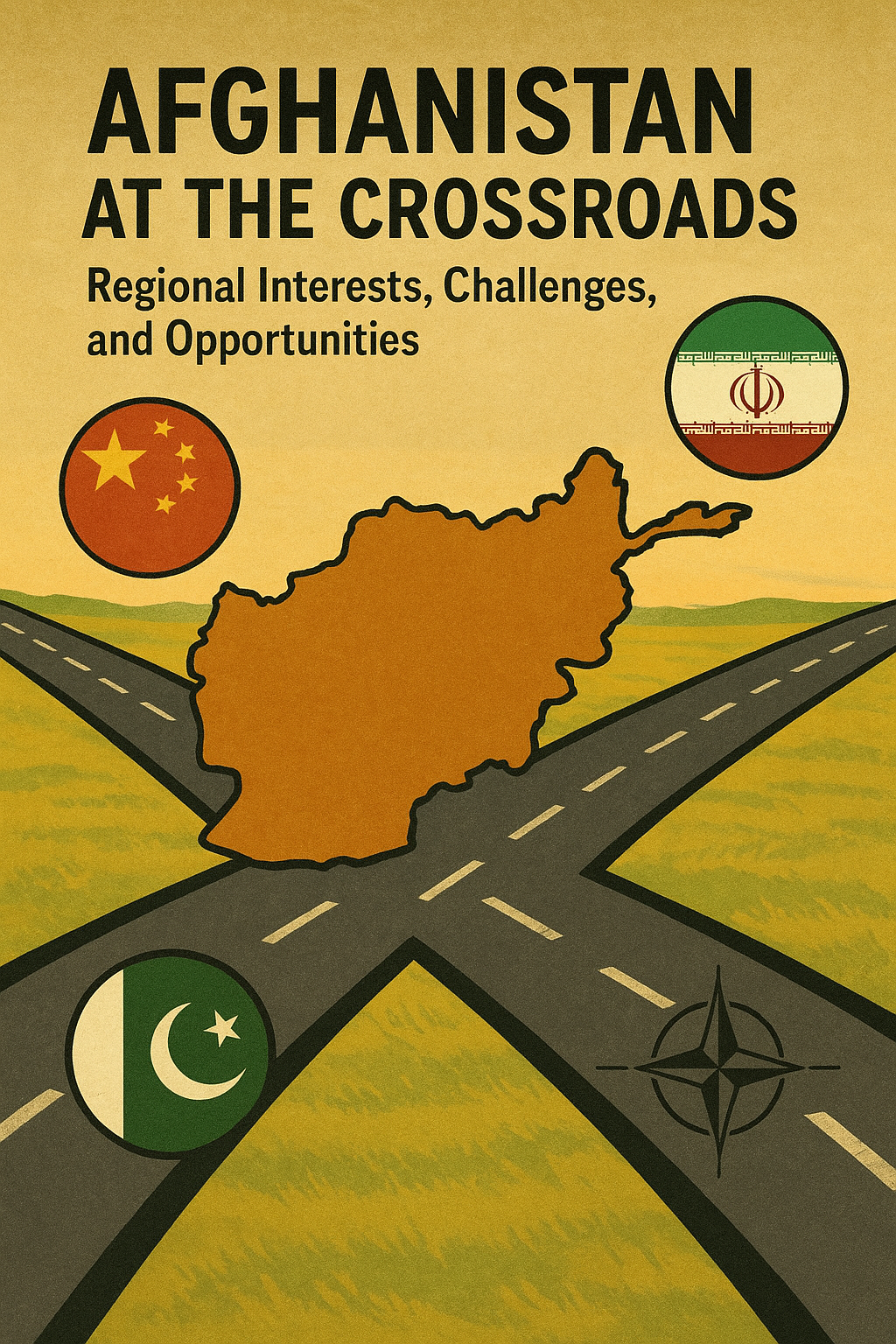
Regional powers like Pakistan, Iran, China, India, and Russia all have national interests in Afghanistan. As international relations says relations between states depends on their national interests. Pakistan helps Taliban and its related groups to counter India’s influence. Iran concerns align with US presence, energy trade and safety of their Shia population in Afghanistan, hazara division, also seeks influence in their country. China is interested in Afghanistan’s stability because want influence in the region; want to develop trade routes and infrastructure in Afghanistan, and to counter the security threats from borders of Afghanistan. Russia is also interested for gaining influence and a trade route from Afghanistan because the arctic region get froze and they need alternative trade route for their passage for trade. India’s interest is to counter Pakistan’s influence and save their investments also they want stability in Afghanistan because through them they want to do trade with Europe and Central Asia and maintain regional connectivity and trade. Regional powers in Afghanistan are in a complex interplay of competition and cooperation that is caused by different interests and historical ties. While some of the states and actors may prioritize stability and economic development and others are concerned with competition and security threats. The with drawl of US and NATO forces from Afghanistan has direct impact on regional security dynamics, creating a power vacuum that now becomes a difficulty for Afghanistan because various regional powers are trying to fulfill it. This also led to increased instability and difficult interplay of competing interests among regional powers all while the Taliban resurrection presents both opportunities and challenges.
Prospects for Regional Cooperation and Sustainable Peace
For Afghanistan’s stability and development; the regional cooperation is very important, as it provides the pathways to economic growth, improved security, and regional integration. Afghanistan’s geo-graphical location at the crossroads of Central and South Asia makes it a crucial point for regional connectivity, and its incorporation in regional development measures can change it from a conflicted nation to a hub for trade and transit. An overarching approach is needed for sustainable peace in Afghanistan, surround by security, political, and socio-economic dimensions. That involves supporting good governance, resolving major root causes of conflict through negotiations, promoting economic development and also ensure women participation and giving them proper equal rights which they deserves.
CONCLUSION
A stable and resilient Afghanistan can be fostered only when regional responsibility becomes the starting point; the linkage between Afghanistan’s own stability and the security and prosperity of its immediate neighbors warrants consistent emphasis. It is, thus, essential to urge the shift from a reactive to a proactive posture; the present moment offers new opportunities for constructive engagement. A synchronized strategy, rooted in mutual interest, should be forged among regional powers to meet sealed windows of Afghanistan’s pressing challenges, encompassing economic engagement, pressing humanitarian assistance, and shared counter-terrorism initiatives. At the same time, the value of augmented and well-coordinated international assistance must be acknowledged, with accompanying appeals both for abstention from unwarranted interference and for observance of the stated principles of Afghanistan’s sovereign agenda.