Skip to content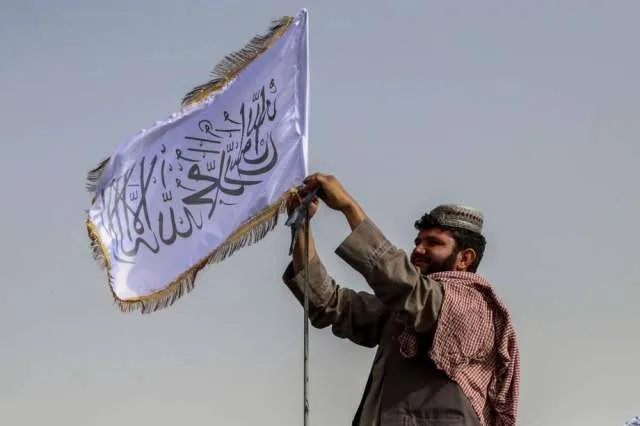
Afghanistan remains a central factor in South Asia’s security and economic calculus. Over the past year, the Islamic Emirate has publicized a series of governance, security, and economic achievements. While these claims reflect efforts toward administrative consolidation, their regional significance cannot be divorced from the broader implications for cross-border stability, trade, and migration dynamics.
Diplomacy, Economy, and Regional Engagement
Among the most prominent developments is Afghanistan’s expanded diplomatic and economic outreach. Russia’s recognition of the Islamic Emirate and the reported 99 foreign visits by senior officials signal a deliberate attempt to reposition Kabul within the regional order through economic and trade-focused diplomacy.
Agreements with Uzbekistan, Iran, and Kyrgyzstan, combined with reported currency stability and a World Bank-noted 4.3 percent economic growth, indicate a pivot toward regional integration. These shifts, particularly in trade and transit, carry immediate implications for neighboring countries, influencing patterns of commerce, energy flows, and cross-border connectivity. The potential for a more functionally integrated Afghanistan also affects migration pressures, resource flows, and border management across South Asia.
Security Forces, Policing, and Internal Control
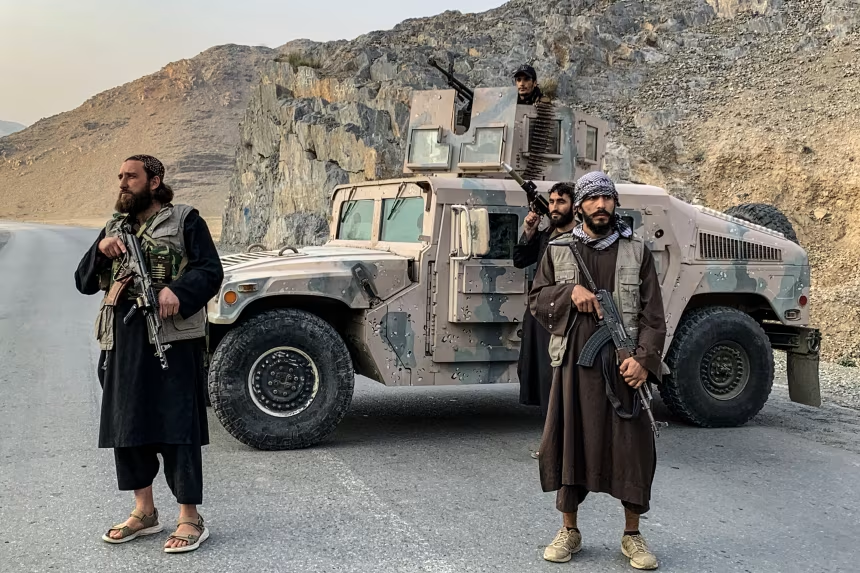
The Emirate reports having trained more than 181,000 security personnel and over 100,000 police officers across various disciplines. Such figures suggest a drive toward institutional consolidation and the formalization of internal security apparatuses.
However, structural capacity alone does not guarantee regional stability. The effectiveness of Afghan security institutions in curbing militant activity, preventing illicit cross-border movement, and ensuring control over its territory will determine the real strategic impact of these developments. The durability of these security mechanisms will influence both regional confidence and the broader security environment in neighboring states.
Infrastructure, Social Services, and Human Stability
Reported investments in water management including nine large dams and 341 smaller check dams alongside social initiatives such as drug rehabilitation programs, support for beggars, and financial assistance for orphans, widows, and persons with disabilities, demonstrate an effort to address long-standing structural weaknesses.
The return of approximately 2.8 million Afghan refugees adds an immediate dimension to regional stability. The management of this population, including housing, services, and integration, will influence migration patterns, resource demands, and border dynamics across South Asia. These developments also highlight the interdependence between domestic Afghan governance and broader regional humanitarian and economic pressures.
Contrasting Official Claims with International Assessments
While the Emirate frames its achievements as progress, international reporting paints a more nuanced picture. UNAMA, SIGAR, and other agencies continue to document constraints in governance capacity, limited service delivery, and human rights restrictions, particularly regarding women’s education and employment.
Security assessments highlight the ongoing presence of transnational militant groups, underscoring persistent vulnerabilities that could have cross-border consequences. These observations suggest that headline metrics of administrative consolidation may conceal deeper structural fragilities, posing both operational and strategic challenges to the region.
Conclusion: Stability as a Regional Imperative
Afghanistan stands at a crossroads where governance claims intersect with unresolved humanitarian and security challenges. Administrative consolidation alone will not stabilize the country if underlying economic, social, and militant threats persist.
The trajectory of Afghanistan’s governance and security structures will influence regional dynamics, including cross-border militancy, refugee flows, and economic integration. Sustainable stability depends on credible security assurances, functional institutional capacity, and effective management of humanitarian and social needs. The wider region will monitor these developments closely, balancing engagement with caution as Afghanistan seeks to translate internal consolidation into a reliable partner in regional order.