Introduction and Overview
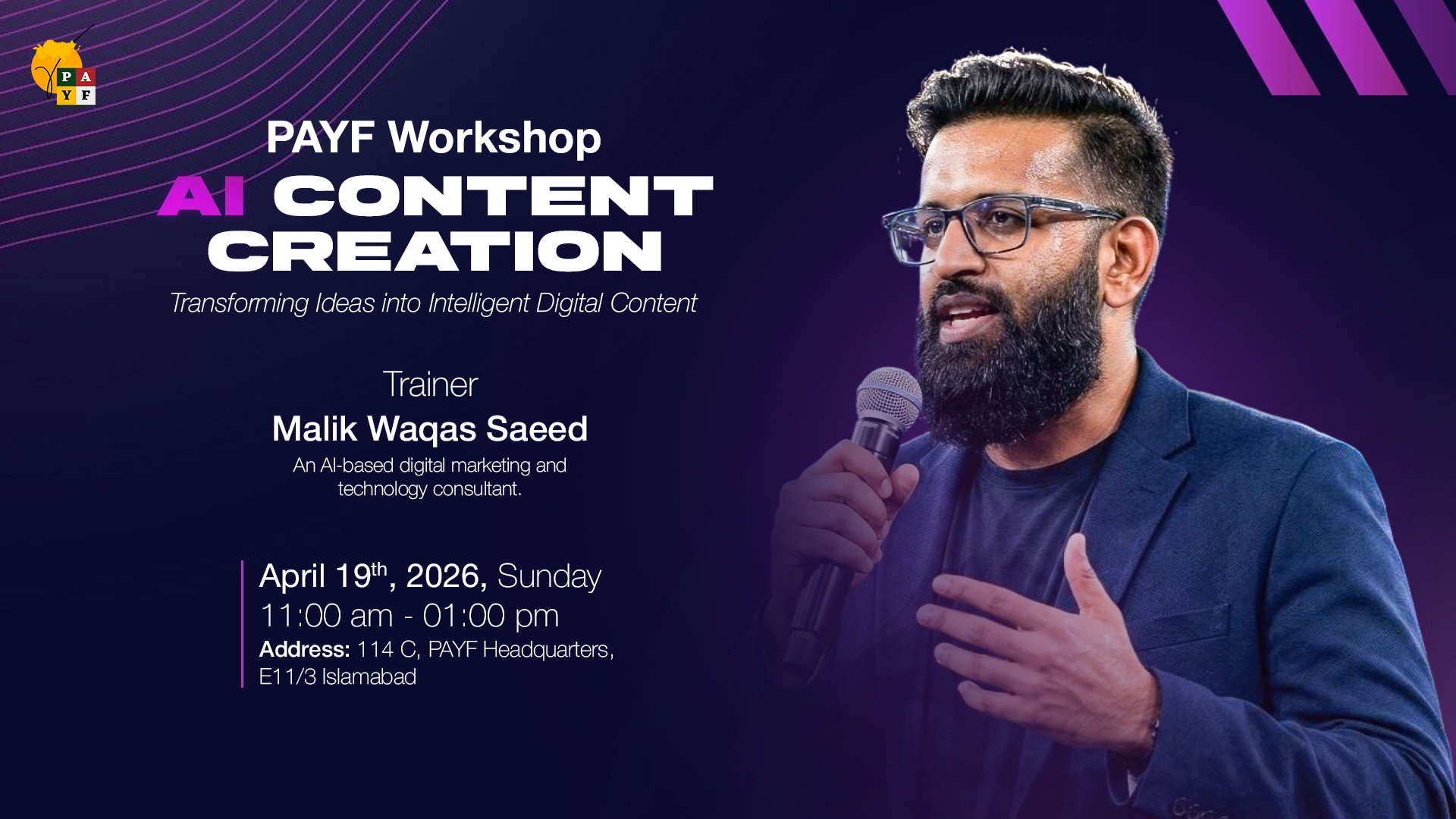
The AI Content Creation and Monetization Workshop, held on April 19, 2026, brought together aspiring and active digital creators for an in-depth exploration of artificial intelligence in content production, platform management, and monetization. The session followed a practical, tool-focused approach, demonstrating real workflows that participants could immediately apply.
The workshop covered the full pipeline of AI-assisted content creation from research and idea generation to production and monetization across platforms such as YouTube, TikTok, and Instagram. Rather than simply listing tools, the facilitator emphasized how they integrate into a cohesive, low-cost, high-output system accessible to creators of all backgrounds. A central theme throughout was clear: the future belongs to those who adopt AI early and use it strategically.
Personal Branding and the Creator Economy
The discussion began with the importance of personal branding as the foundation of any successful creator career. Content creation was framed as the primary vehicle for building and sustaining that brand, with AI significantly lowering the barrier to entry.
Two guiding questions shaped the session: which platforms creators should prioritize, and how they can conduct meaningful research to produce valuable content consistently. The facilitator stressed that clarity of niche, audience, and platform is essential without it, even the best tools fail to deliver results.
Participants were also introduced to the evolving creator economy as a professional space with multiple income streams, including platform ad revenue, brand collaborations, affiliate marketing, newsletters, and paid communities. The workshop aimed to equip attendees with practical ways to enter this ecosystem using AI as their primary production partner.
Research and Knowledge Management
Strong content begins with strong research. The workshop highlighted tools designed to simplify information gathering and organization.
NotebookLM was presented as a powerful research assistant that allows users to upload documents, links, PDFs, and transcripts into a single workspace. It can generate summaries, mind maps, quizzes, and structured insights, significantly reducing manual effort. The distinction between fast research for trending topics and deep research for evergreen content was emphasized.
NOTA AI was introduced as a complementary tool for transcription and structured note generation from audio and video. It supports outputs such as reports, flashcards, and study guides, making it particularly useful for repurposing recorded material.
Email and Account Infrastructure
A practical yet often overlooked aspect of content creation is account management. The facilitator highlighted the need for scalable and privacy-focused email systems for creators handling multiple projects.
Proton Mail was recommended for creating multiple accounts without common verification barriers, enabling smoother management of different content identities. Smail Pro was introduced as a disposable email solution that integrates easily with platform registrations, allowing quick setup and rotation of accounts when needed.
AI Image Generation
Visual content remains central to digital engagement, and several tools were introduced to support high-quality image creation.
Nano Banana Pro was recommended for producing reliable visuals such as thumbnails and social media graphics. Gemini Business Plan was highlighted for its professional, watermark-free outputs and its ability to generate both images and short videos. Its use of anonymized characters was presented as an opportunity for consistent and legally safe branding.
For creators working in less restricted or more creative niches, Unsensored AI and Cling were suggested as alternatives offering greater flexibility and fewer content limitations.
AI Video Generation and Automation
AI video generation was described as one of the most transformative developments in modern content creation.
Veo 3.1 was introduced as a highly capable model for structured video generation using detailed prompts and visual descriptions. Seedance 2.0 was recommended for ultra-realistic outputs, particularly in storytelling and product-based content, with workflows built around sequential scene generation.
Higgsfield was presented as a cinematic-grade tool suited for high-quality content in niches such as lifestyle, travel, and education. It also supports avatar creation, allowing creators to maintain a consistent on-screen identity without appearing personally.
Mela AI was highlighted for high-volume production, where structured prompt systems can generate multiple videos daily. The broader strategy emphasized connecting research, generation, and editing tools into an automated workflow capable of producing content at scale while maintaining quality.
Maintaining character and visual consistency across content was addressed through techniques such as standardized avatars, consistent prompt structures, and platform-specific output settings.
YouTube Monetization Strategy
The process of building a monetizable YouTube channel was simplified into a clear workflow: define a niche, conduct structured research, generate visuals, edit content, and publish consistently. The guiding principle remained straightforward minimize cost through AI while maximizing output through consistency.
Examples of successful AI-assisted channels were discussed, particularly in niches like nutrition and wellness. Creators such as Really Maktoob and Sunny Lenarduzzi were referenced for their growth strategies and community-building approaches, alongside Malik Waqar Saeed as a learning resource.
Skool.com was introduced as a platform for building paid communities and courses, offering an additional revenue stream beyond ad-based income.
TikTok Monetization and Setup
TikTok Studio was presented as the central hub for managing content and accessing monetization features such as the Creator Reward Program. Creators were advised to set up accounts in eligible regions like the UK or US to unlock earning potential.
The KYC verification process, payment setup via PayPal, and technical requirements such as VPN usage, GPS control, and geofencing were explained as necessary steps for maintaining account stability and eligibility.
Instagram Strategy
Instagram was positioned as a key distribution platform, particularly through Reels. Content must be optimized to fit platform constraints, including duration limits. Account Studio was recommended for performance tracking and scheduling.
The importance of copyright compliance was strongly emphasized, along with the strategy of adapting trending content rather than copying it directly.
Key Tools Overview
The workshop highlighted a streamlined toolkit for creators: NotebookLM for research, NOTA AI for transcription, Proton Mail and Smail Pro for account management, Nano Banana Pro and Gemini Business for image generation, Veo 3.1, Seedance 2.0, Higgsfield, and Mela AI for video production, CapCut for editing, Skool.com for monetization, and Surf Shark for regional access management.
Conclusion
The workshop provided a clear and actionable roadmap for building an AI-powered content creation system. By combining accessible tools with structured workflows, it demonstrated that high-quality content production is no longer limited by resources but by consistency and execution. The key takeaway remained simple: those who act consistently, publish regularly, and refine their approach over time will be best positioned to succeed in the evolving creator economy.