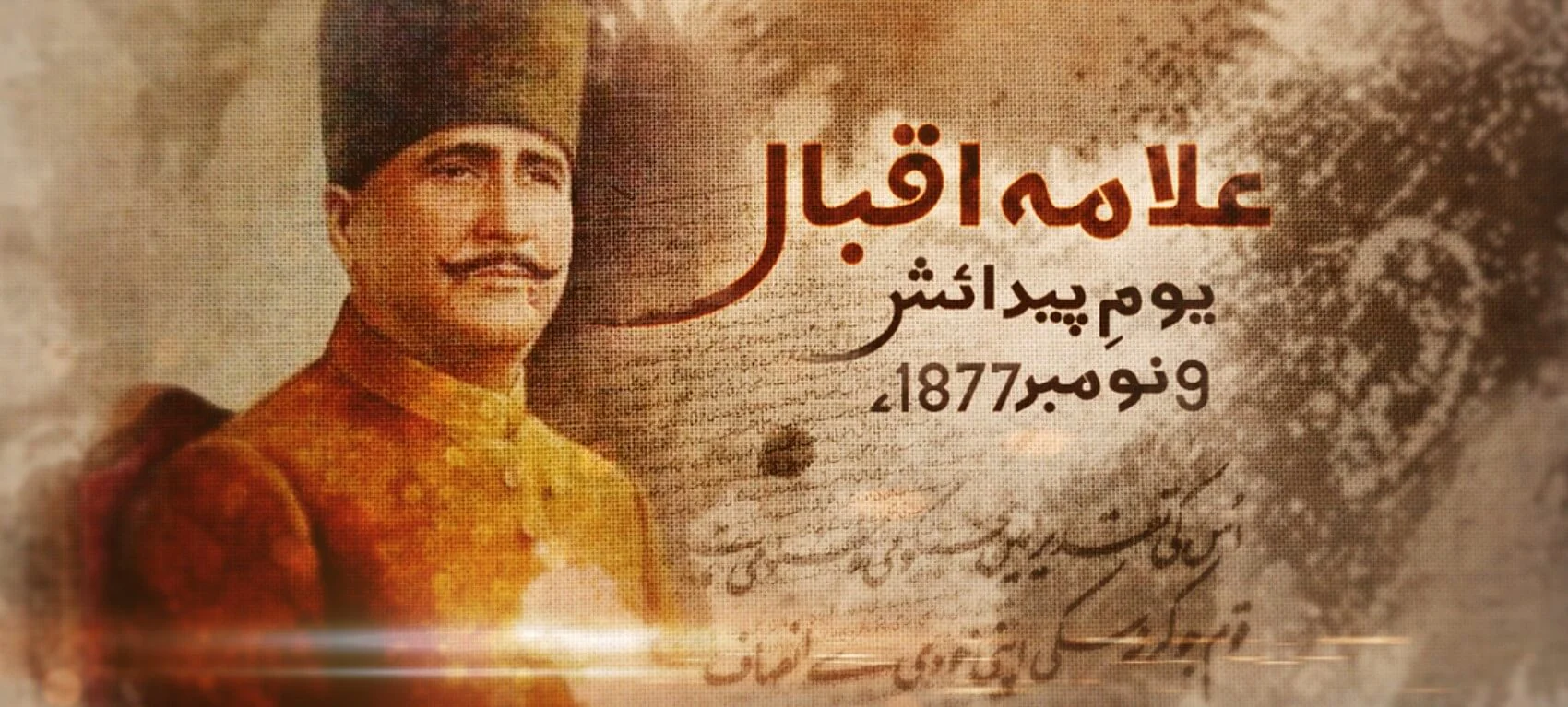
Sir Muhammad Iqbal (1877–1938), widely revered as Allama, stands as one of the 20th century’s most profound Muslim thinkers, whose poetry in Urdu and Persian stirred a revolutionary spirit across the colonized world. Allama Iqbal and Youth: His dynamic vision of Khudi & Shaheen fuels leadership, self-reliance, and resistance among young people in Pakistan, Iran, and beyond. His intellectual project was a direct confrontation with the political subjugation and spiritual lethargy that characterized Muslim societies from the Indian Subcontinent to the Middle East.
The cornerstone of his philosophy was an unequivocal belief that the destiny of any nation rested entirely on the potential of its young generation. The enduring legacy of Allama Iqbal and Youth is rooted in his ability to translate complex philosophical principles into an accessible, action-oriented blueprint for individual and collective redemption.
The Core Doctrine: Khudi and the Empowerment of the Self
Iqbal’s vision was uniquely ideal for young minds because it placed the individual at the center of the universe, proclaiming the doctrine of Khudi (Selfhood or Self-reliance). This concept proposes a mandatory spiritual and psychological journey from basic self-esteem to self-actualization, where the individual becomes a “self-contained exclusive centre” capable of standing alone before the Creator.
This emphasis on independence, self-accountability, and resilience provides a robust, cross-cultural model for empowerment that resonates with youth navigating modern psychological and societal constraints. The universal appeal of Allama Iqbal and Youth is found here: he urged the young generation to reject quietism, dependency, and the comfort zone, stressing that true greatness is never found in safety. He taught that youth possess immense potential and can be the source of native ideas necessary to bring about lasting, transformative change.
The Ideal for Allama Iqbal and Youth: The Shaheen
To embody this dynamic philosophy, Iqbal chose the symbol of the Shaheen (Eagle or Falcon). The eagle represents strength, freedom, elevated vision, and unyielding self-reliance. The Shaheen is defined by its refusal to accept leftovers or “borrowed honors,” choosing the demanding path of struggle and dignity.
This imagery offers a direct, powerful contrast to a life of dependence and conformity, which Iqbal saw as burying the Khudi under layers of materialism. He famously captured this ideal, speaking directly to the youth:
نہیں تیرا نشیمن قصر سلطانی کے گنبد پر
تو شاہیں ہے بسیرا کر پہاڑوں کی چٹانوں میں
Your abode is not on the dome of a Sultan’s palace, You are an Eagle, dwell on the rocky heights of mountains.
The philosophy of Allama Iqbal for Youth compels the individual to constantly adapt, embrace struggle, and strive for perpetual transformation, preparing them for leadership roles in a morally complex world.
Regional Resonance and Revolutionary Action
The call of Allama Iqbal was profoundly influential across the Muslim world. In Pakistan, his teachings are institutionalized as the ideological foundation of national identity, urging the younger generation to contribute to cohesive nationhood and collective progress. In contrast, in India, his powerful poetry forms part of the “Islamicate canon” used by student movements, such as those protesting anti-Muslim policies, providing the language and emotional basis for collective action and solidarity against perceived state repression.
In the Persianate world, where much of his best poetry was written, Iqbal is highly admired. The message of Allama Iqbal for Youth provided an active philosophical alternative to quietism, inspiring key ideologues like Ali Shariati in Iran who emphasized mobilizing the youth generation for the revival of the Ummah. Similarly, in Turkey, Iqbal’s intense admiration for their fierce struggle for independence provided courage and guidance to the populace across the subcontinent.
Conclusion: A Timeless Code for Self-Determination
The lasting impact of Allama Iqbal and Youth lies in this dynamic fusion of spiritual self-realization (Khudi) and purposeful action. He offered a vital corrective to the fatalism of his time, providing a comprehensive ethical code for individuals seeking independence, self-mastery, and spiritual commitment. Whether serving as the ideological blueprint for national construction in Pakistan or inspiring anti-authoritarian protest in India and revolutionary dynamism in Iran, Iqbal’s message transcends borders. By urging the younger generation to embrace the rocky path of struggle over materialistic conformity, his philosophy remains a powerful beacon for those seeking to unlock their full potential and shape a dignified future.