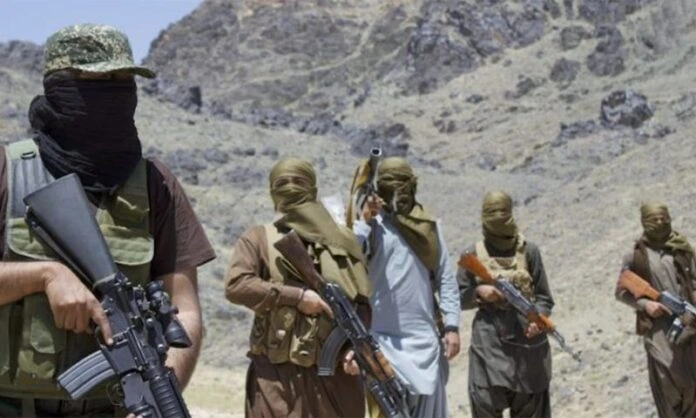
Coordinated Violence and Strategic Challenges
The recent spate of attacks across Balochistan underscores the persistent threat posed by organized terrorist networks operating in the province. Security sources report multiple, near-simultaneous assaults in key towns, including Quetta, reflecting a high degree of operational coordination and tactical sophistication. Casualties among civilians and security personnel demonstrate the gravity of these attacks and the intent to disrupt public order and state authority.
These incidents highlight the evolving nature of militant tactics, marked by coordinated strikes, careful target selection, and attempts to overwhelm security responses. Such attacks reaffirm that terrorism in Balochistan remains a calculated security challenge requiring sustained counterterrorism pressure and adaptive operational strategies.
Security forces responded with speed, precision, and resolve, neutralizing a significant number of militants and preventing further escalation. Their swift action reflects the professionalism, preparedness, and institutional strength of Pakistan’s law enforcement and military forces in protecting critical infrastructure and civilian populations. The scale of the attacks further reinforces the necessity of maintaining heightened alertness and continuous operational readiness across the province.
Operational Readiness and Tactical Vigilance
The execution of these attacks indicates extensive planning, logistical coordination, and resource mobilization by militant organizations. Such operations exploit terrain and timing to maximize disruption, underscoring the importance of constant surveillance and proactive counterterrorism measures.
Security operations across affected districts demonstrate the effectiveness of intelligence-led interventions, rapid deployment, and coordinated inter-agency action. These measures remain central to disrupting terrorist cells before they can regroup or expand their operational reach.
Kinetic responses continue to play a decisive role in countering immediate threats. Targeted strikes, enhanced border monitoring, and real-time intelligence sharing significantly degrade militant capabilities and reduce the likelihood of high-casualty attacks. The sacrifices made by security personnel during these operations reflect the seriousness of the threat and the unwavering commitment of state institutions to safeguarding national security.
Regional Coordination and Strategic Partnerships
Balochistan’s security environment intersects with regional dynamics, necessitating cooperation with neighboring provinces and countries. Militants often exploit porous borders and transnational networks, making cross-border intelligence coordination and regional dialogue imperative. By cultivating strategic partnerships and leveraging diplomatic channels, Pakistan enhances its capacity to preempt threats and disrupt networks that aim to destabilize the province.
Engagement with think tanks, civil society, and local leadership amplifies the effectiveness of both security and political strategies. Policy coherence, actionable intelligence, and community participation ensures that interventions yield sustainable outcomes and deter future attacks.
Pathway to Enduring Stability
Recent attacks reaffirm that effective governance in Balochistan relies on a dual approach: robust operational readiness to counter immediate threats. The state’s decisive stance in neutralizing violent actors, fostering dialogue, and reinforcing constitutional adherence exemplifies the commitment required to achieve durable peace.
Balochistan’s path to stability emerges from strategic foresight, and consistent execution of security. The sacrifices of law enforcement personnel and the resilience of local communities provide the foundation for restoring order and reinforcing public confidence.
Ultimately, confronting terrorism in Balochistan embodies both a strategic and moral imperative. Through decisive action, sustained vigilance, and constructive political engagement, Pakistan strengthens its capacity to protect citizens, secure provincial stability, and maintain peace in this strategically significant region.