Skip to content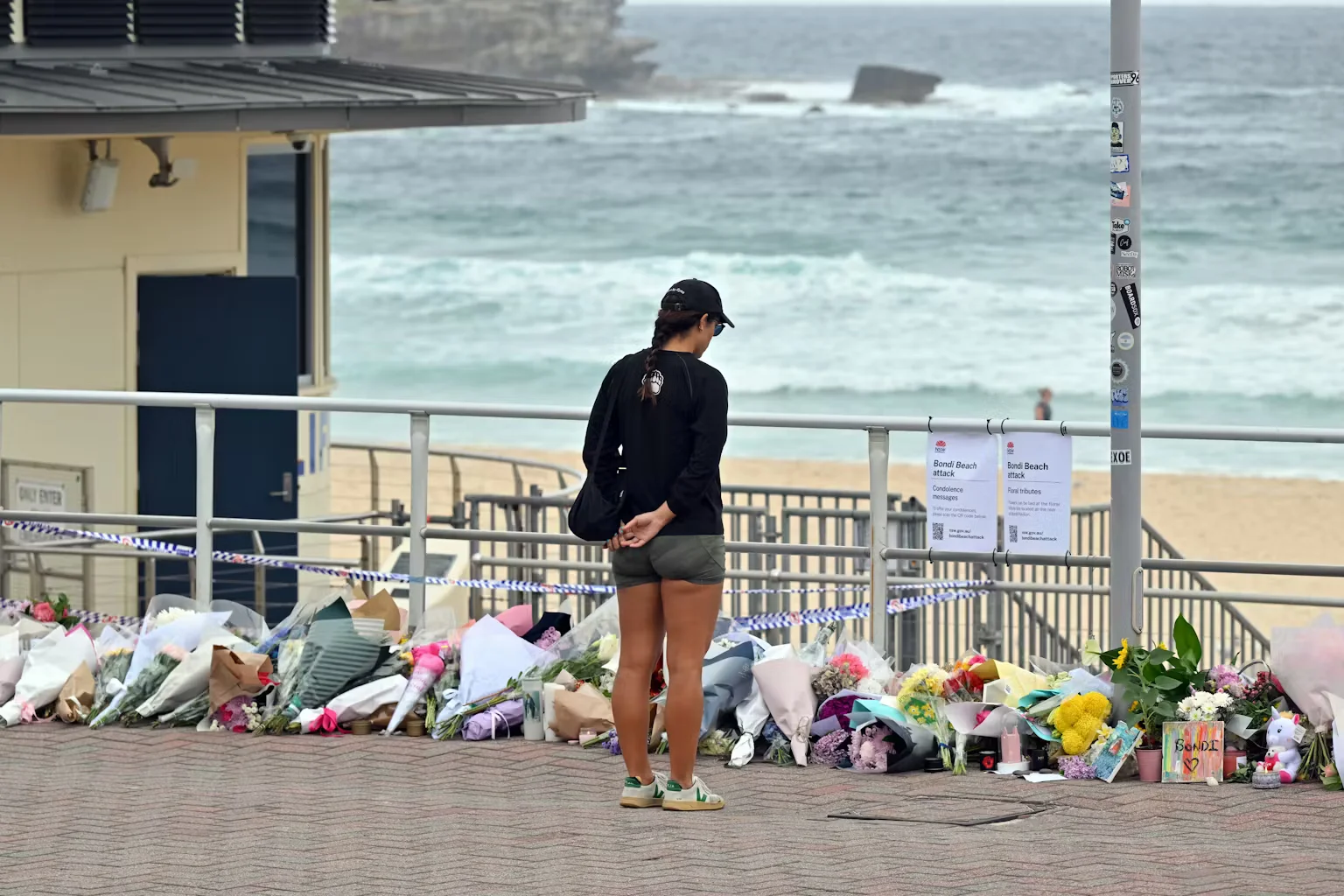
Australian authorities have formally classified the devastating Bondi Beach Attack as a terrorist incident. It marks a grim turning point in the nation’s security landscape. The violent assault, which targeted a public gathering during a Jewish religious event in Sydney, resulted in 15 civilian casualties and injuries. Security officials have described the attack as one of the deadliest acts of violence on Australian soil since the implementation of strict gun control laws in the late 1990s.
Counter-terrorism units are now leading a wide-ranging investigation to uncover the full scope of the plot. It focuses heavily on the motivations behind the attack and any potential international linkages that may have facilitated it.
A critical breakthrough in the investigation has been the identification of the perpetrators responsible for the Bondi Beach Attack. Joint inquiries by Australian, Indian, and Philippine authorities have confirmed that the primary attacker. Sajid Akram was of Indian origin, hailing originally from Hyderabad. Records show he migrated to Australia in 1998 on a student visa before acquiring permanent residency. His son, Naveed Akram, who is currently in custody, was born in Australia.
This official confirmation is significant as it dispels early rumors surrounding the attack that falsely claimed the attacker was of Pakistani origin. The clarification highlights the importance of relying on verified intelligence rather than speculation in the immediate aftermath of such tragedies.
Disinformation and the Bondi Beach Attack Investigation
Further details have emerged regarding the movements of the suspects before the Bondi Beach Attack. Authorities revealed that Sajid Akram traveled to the Philippines in November 2025 on an Indian passport. It was accompanied by his son, who traveled on an Australian passport. Australian police are currently investigating whether the suspect used this trip to establish contact with extremist networks or to receive training. While Philippine authorities have stated that there is no confirmed evidence of formal militant training yet. International travel remains a key line of inquiry in understanding the planning behind the Bondi Beach Attack.
The aftermath of the Bondi Beach Attack was marred by a storm of disinformation. Where sections of the international media incorrectly associated the violence with Pakistan based on name-based assumptions. This rush to judgment underscores the challenge of managing narratives during crises. The Bondi Beach Attack reinforces the reality that terrorism is a transnational threat that cuts across borders and citizenships.
Policymakers are now emphasizing that accurate attribution and enhanced intelligence cooperation are essential to prevent the misuse of tragic events for diplomatic point-scoring. Ultimately, the attack serves as a stark reminder of the need for responsible reporting and global collaboration in the fight against radicalization.
Also Read: Cinematic Revisionism: Why Ranveer Singh’s Dhurandhar Was Banned Across the GCC