Commentaries
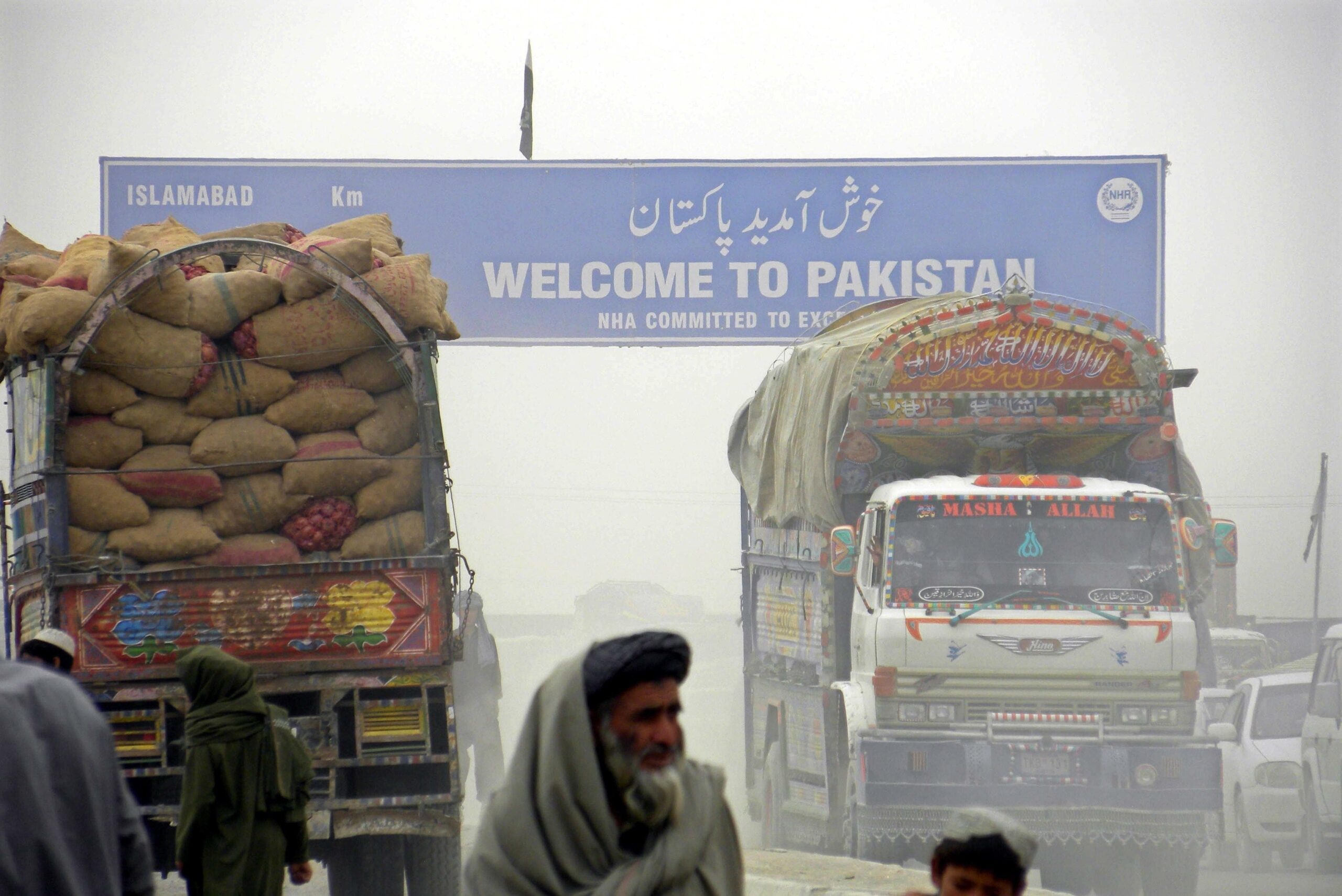
Pakistan is a transit state for Afghan drugs, not a producer. Strong enforcement, international recognition, and major seizures underscore its active counter-narcotics role.
Pakistan is a transit state for Afghan drugs, not a producer. Strong enforcement, international recognition, and major seizures underscore its active counter-narcotics role.

India’s pharmaceutical industry, long hailed as the “pharmacy of the world,” faces renewed scrutiny following the Supreme Court ruling on the Uzbekistan cough syrup case.
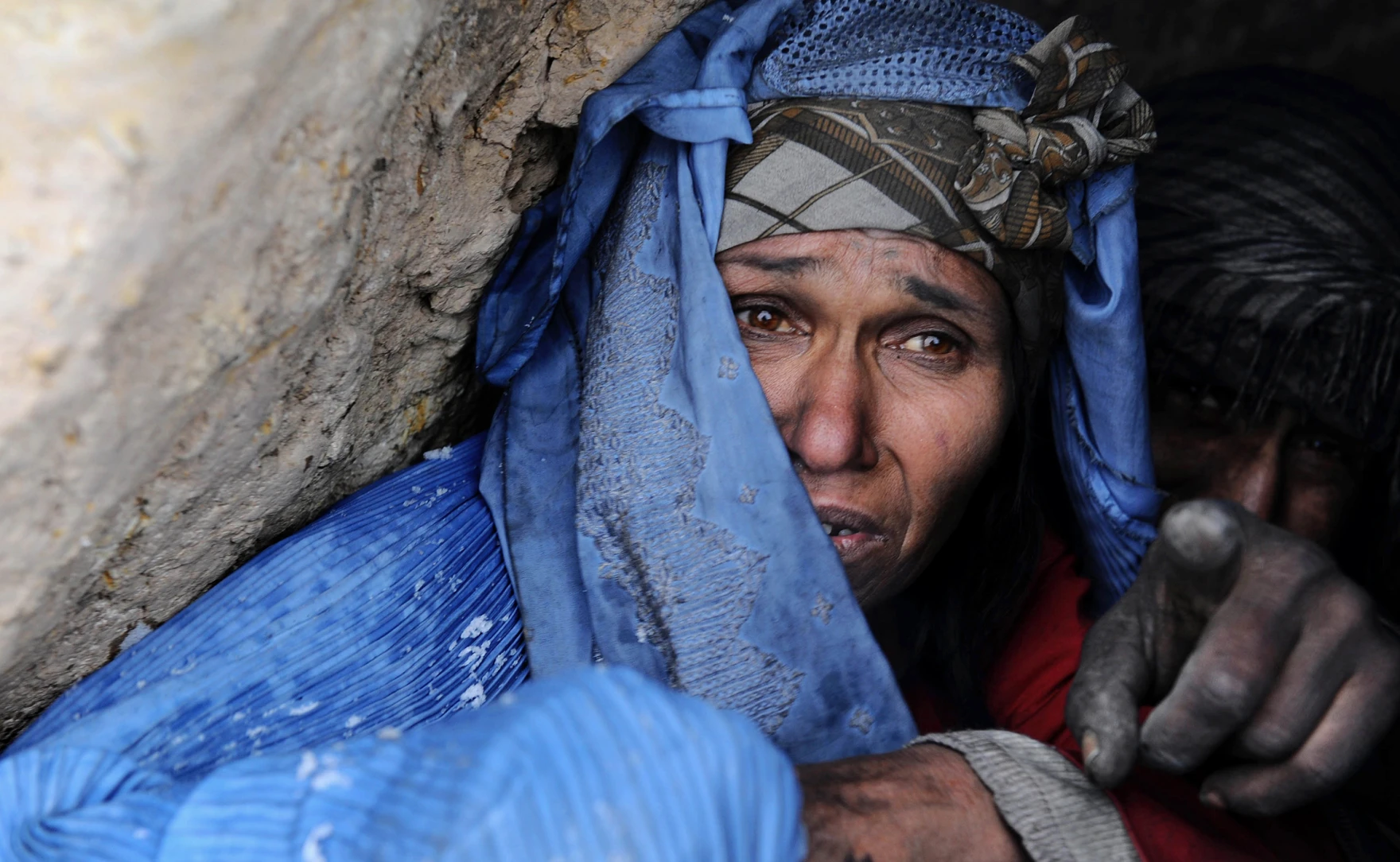
Afghanistan’s new Taliban penal code permits husbands to beat wives for “disobedience” under strict limits, deepening systemic repression of women and dismantling prior protections.
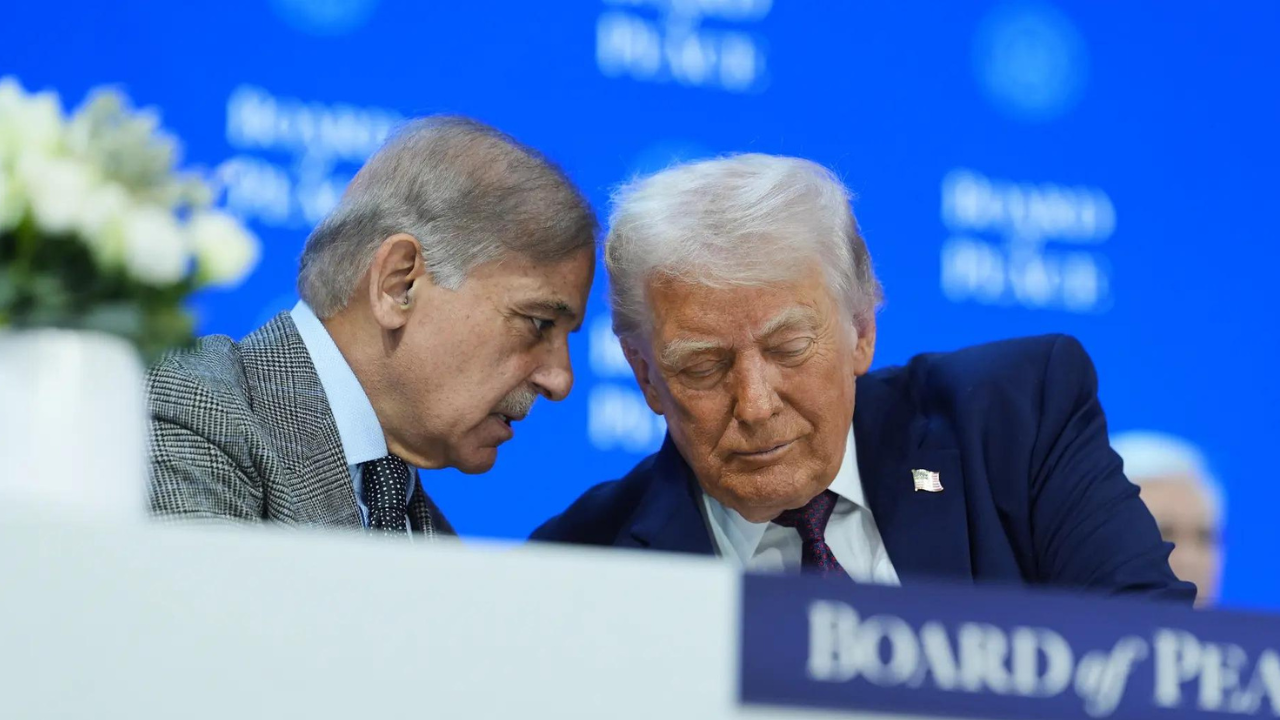
President Trump lauds Pakistan’s leadership, military readiness, and regional influence, reinforcing deterrence and its role in South Asia’s security and diplomacy.
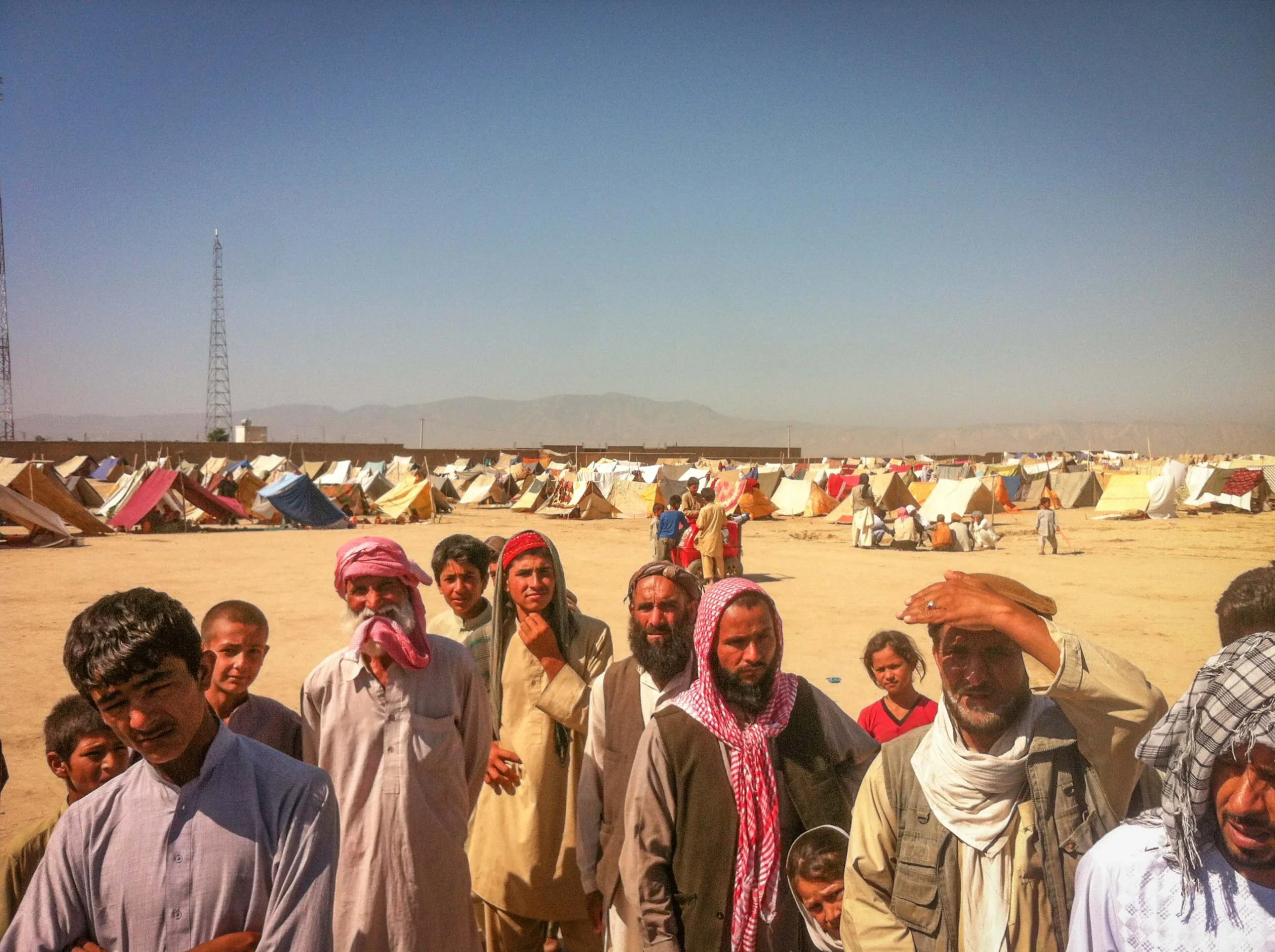
This analysis examines Afghanistan’s persistent governance crisis, tracing the historical and ethnic fault lines that fuel instability. It explores the debate over territorial restructuring and

US immigration and law enforcement agencies arrest multiple Indian nationals in separate human smuggling and sex trafficking cases across Texas and Alabama.
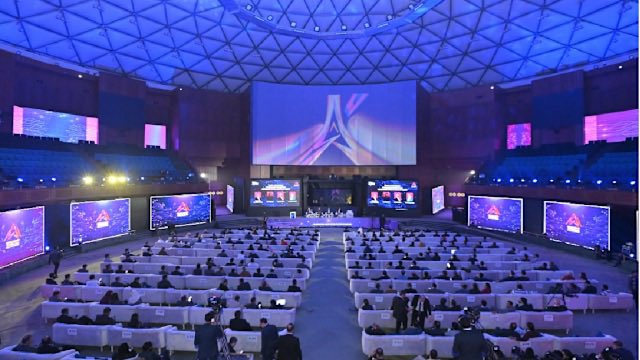
A comparative commentary on Pak Indus AI Week and India AI Summit examining execution governance and narrative control in South Asia evolving AI landscape.
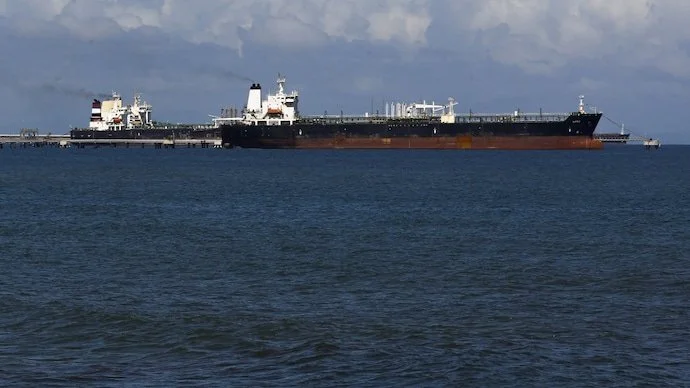
India’s strategic realignment in 2026, highlighting its transactional foreign policy toward Iran, the seizure of Iranian-linked tankers, and the cessation of Russian energy imports.
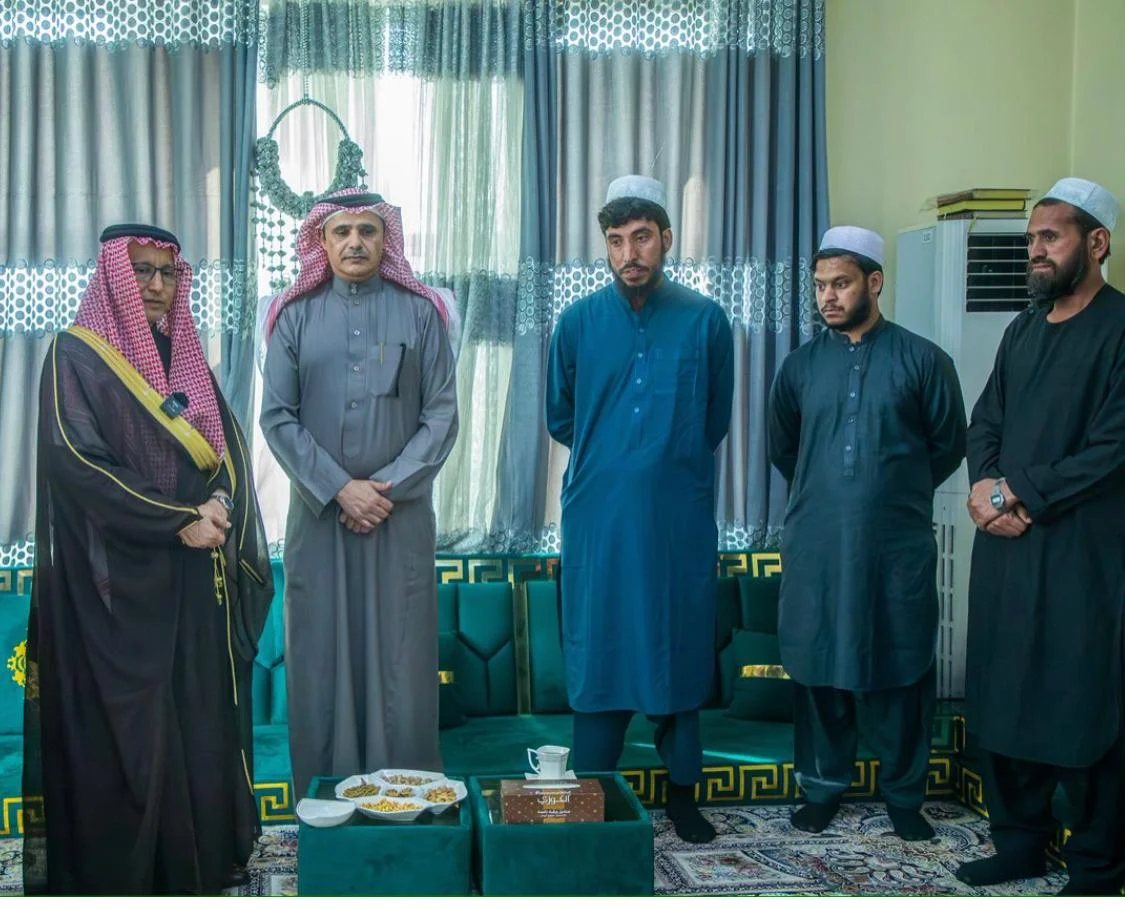
The release of three Pakistani soldiers detained during border tensions has reignited debate over regional diplomacy, religious symbolism, and the optics of state conduct.
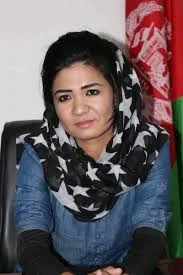
The killing of veteran journalist and women’s rights advocate Anusha Mohammadi in Kabul is more than an isolated act of violence. It reflects the systematic