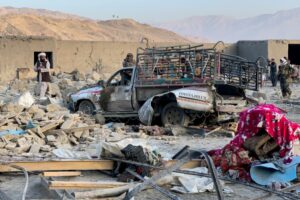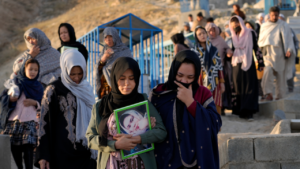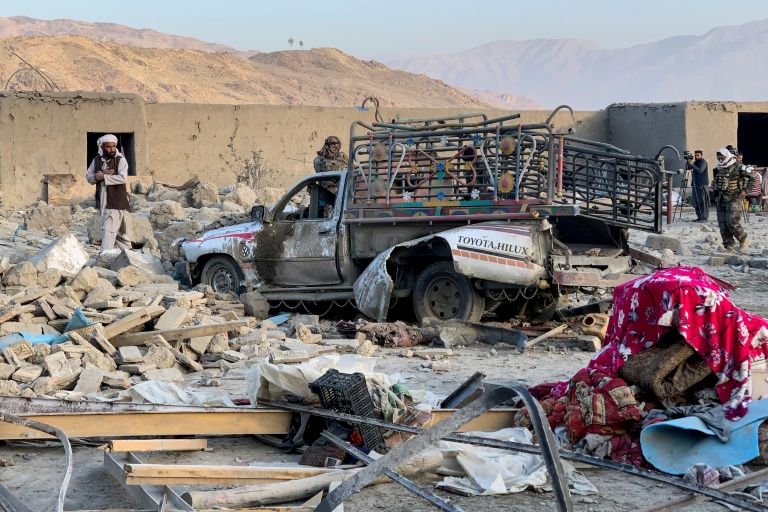
Recent reports confirm that Pakistani air strikes in Afghanistan have caused the deaths and injuries of numerous innocent women, children, and elderly. These attacks have reignited tensions in a region already traumatized by decades of conflict. Afghan civilians, who were beginning to experience a fragile peace after years of internal strife, now face the devastating spillover of Pakistan’s aggressive actions. The humanitarian impact is immediate and severe, deepening mistrust and fear among local communities.
Root Causes: Governance, Military Dominance, and Policy Failures
At the core, these attacks are a symptom of Pakistan’s internal challenges. Years of poor governance, suppression of minorities, repeated interference in democratic processes, and dominance of the military establishment have led to a series of miscalculations in regional policy. “Clever” maneuvers intended to strengthen influence often backfire, creating instability not only within Pakistan but also for its neighbors. The consequences are tragic: ordinary Pakistani citizens suffer from mismanagement at home, while Afghans bear the brunt of cross-border aggression. Urgent reconsideration of policy and a shift toward accountability, diplomacy, and regional cooperation are essential to prevent further humanitarian crises and long-term instability.