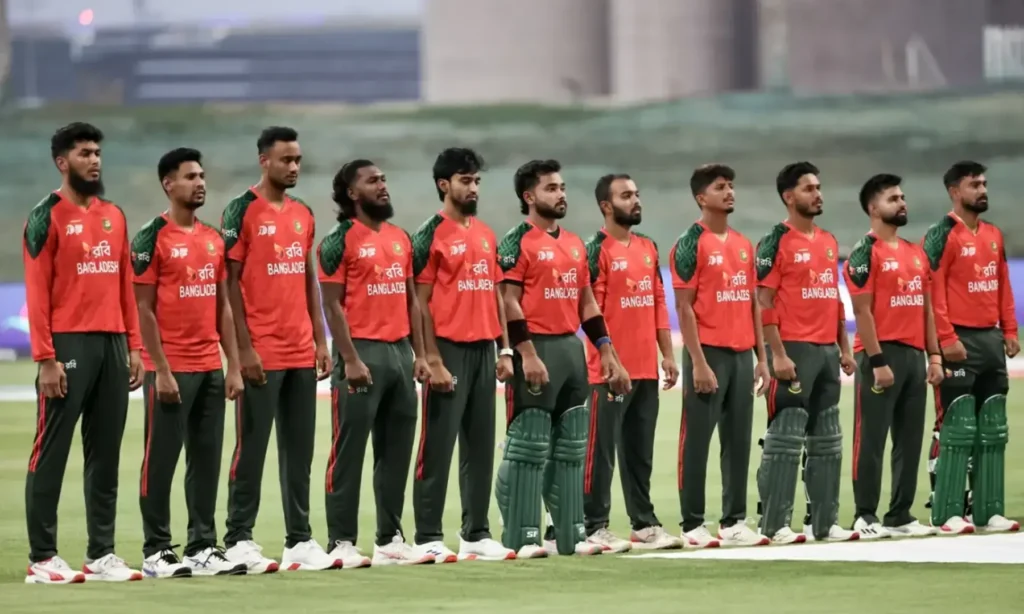
Bangladesh’s decision to withdraw from the upcoming T20 World Cup matches scheduled in India represents more than a sporting dispute it is a principled stand for national dignity and security. The Bangladesh Cricket Board (BCB) acted decisively after repeated assurances from the International Cricket Council (ICC) failed to address legitimate safety concerns. By refusing to play under conditions that compromise the welfare of its players, Bangladesh has asserted a sovereignty of choice that resonates far beyond cricket, reaffirming that sports cannot be divorced from ethics, respect, and national interest.
Safety Over Spectacle
The controversy originated with the IPL’s Kolkata Knight Riders being instructed to release Bangladesh pacer Mustafizur Rahman following public backlash in India. This incident highlighted the precarious intersection of sport and politics, exposing athletes to pressures that transcend competition. For Bangladesh, whose players and fans number in the hundreds of millions, the risk was tangible and immediate. Rather than compromise safety, the BCB chose caution a decision rooted not in defiance but in prudence, echoing prior arrangements that allowed Pakistan to play in neutral venues when political tensions made travel unsafe.
Political Undertones in a Sporting Arena
The World Cup, set to begin on February 7, arrives against a backdrop of heightened political sensitivity. Bangladesh will hold national elections during the tournament, and the decision to stay away from Indian venues signals a careful navigation of domestic and international considerations. While critics may frame this as withdrawal, it is more accurately a negotiation of dignity: Bangladesh has demonstrated that participation must never come at the cost of player security or national principle. The ICC’s insistence on adherence to schedule, despite viable alternatives like Sri Lanka, underscores a governance rigidity that prioritizes bureaucratic convenience over the welfare of a major cricketing nation.
Maintaining Integrity and Precedent
Bangladesh’s stance is neither unprecedented nor disruptive in global sport. Neutral venues have long been employed to preserve fairness and safety, from Pakistan’s home series in the UAE to international tournaments relocated for conflict or health concerns. By adhering to this principle, Bangladesh not only safeguards its team but also reinforces a broader standard: that sports organizations must remain responsive to the ethical and practical concerns of their members. The ICC’s eventual decision to replace Bangladesh with Scotland may resolve logistical issues, but it leaves unresolved questions about equity, representation, and the moral responsibilities of governing bodies.
A Call for Fair Governance in Cricket
The episode serves as a reminder that cricket, once celebrated as a bridge for diplomacy and regional camaraderie, continues to be susceptible to politicization. Bangladesh has exposed this tension with clarity and courage, prioritizing the safety and dignity of its players over optics and schedules. In doing so, the nation sets a benchmark for accountability and principled negotiation in sport a benchmark that governing bodies, sponsors, and co-hosts must respect.
Conclusion: Courage Beyond the Pitch
Bangladesh’s refusal to play in India is not an act of defiance but a demonstration of conscientious leadership in sport. It illustrates a nation’s capacity to assert its interests while maintaining professionalism, fairness, and ethical standards. The T20 World Cup should be a celebration of cricket, yet the circumstances underscore the imperative for global sporting institutions to harmonize logistical efficiency with moral responsibility. By standing firm, Bangladesh has ensured that the game remains a platform for integrity, reminding the cricketing world that principles, not mere schedules, define true sporting excellence.