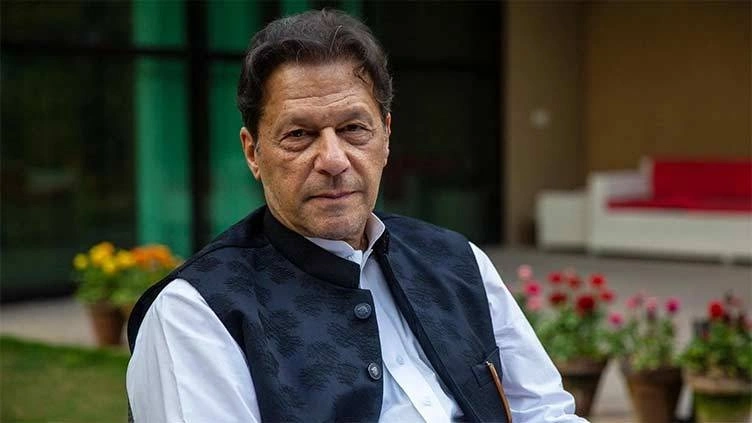
Former Prime Minister Imran Khan is reportedly facing renewed scrutiny following claims that he prevented his children from visiting Pakistan due to concerns about public backlash and political controversy. While the reports remain based on sources rather than official statements, they have generated widespread discussion across political and media circles.
According to circulating accounts, Khan’s daughter, Tyrian, had expressed a desire to travel to Pakistan alongside her stepbrothers to meet their father. However, concerns about media attention, political criticism, and potential public reaction allegedly influenced the decision to delay or halt the visit. Observers suggest that the timing amid heightened political polarization may have amplified sensitivities surrounding the matter.
The issue has quickly moved beyond a private family decision to become part of a broader political conversation, reflecting the intense scrutiny faced by prominent public figures in Pakistan.
Private Life in the Shadow of Politics
The situation has reignited debate about how political life can intersect with and sometimes overshadow personal relationships. Critics argue that family matters should remain separate from political considerations, emphasizing that children should not be drawn into public controversies. They contend that fear of backlash should not interfere with parental bonds.
Supporters, however, maintain that public figures often make difficult choices to protect their families from intrusive media coverage and politicized narratives. In highly polarized environments, even routine family visits can become the subject of speculation, commentary, and partisan debate.
Analysts note that the episode reflects a broader reality of modern politics: personal lives of leaders are frequently examined through political lenses. Whether the reported decision was motivated by political calculation or genuine concern for privacy, it underscores the pressures experienced by individuals in public office and their families.
Ultimately, the discussion highlights the human dimension of political life where personal decisions are rarely viewed in isolation and can quickly become part of the national conversation.