Skip to content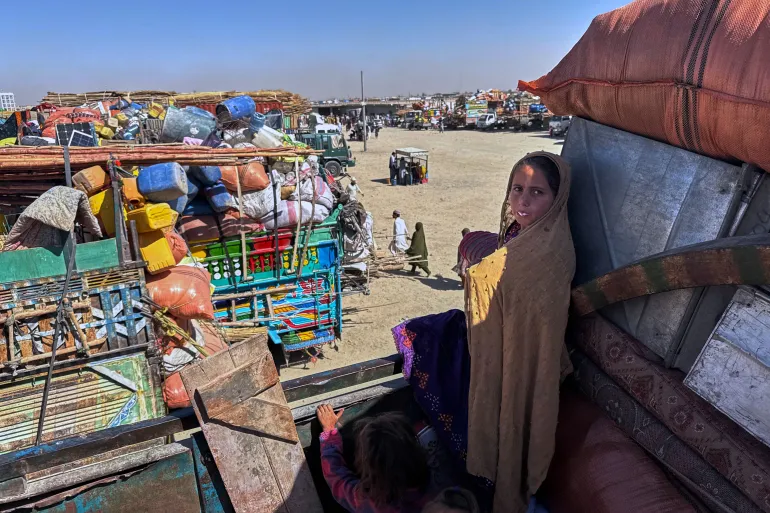
Afghan migrants deported from Pakistan are facing severe humanitarian challenges after returning home. Many report extreme cold, food shortages, and a lack of basic assistance.
Families with children are among the worst affected. Winter conditions have made survival increasingly difficult for returnees with no shelter or income.
Returnees Struggle to Survive Winter
Several deportees say they arrived with no support or resources. They are sleeping outdoors or in overcrowded temporary shelters.
Mohibullah, a deportee from Pakistan, called for urgent help. He said his children are suffering in freezing temperatures and need immediate assistance.
Another returnee, Mohammadullah, described a bleak future. He said he is homeless, unemployed, and unsure how he will survive. Like thousands of others, he was deported involuntarily and returned with no financial support.
Ahmad, another deportee, said authorities provided no assistance. He added that he lacks money even to transport his belongings.
Aid Agencies Warn of Growing Humanitarian Crisis
Afghanistan’s Ministry of Economy has acknowledged the worsening situation. Officials stressed that international support is critical to manage the impact of mass deportations.
Abdul Rahman Habib, spokesperson for the ministry, urged the United Nations and international donors to lift restrictions and increase humanitarian funding. He also emphasized the need for job creation programs for returnees.
International agencies have raised serious concerns. Reuters, citing the World Food Programme, reported that 17 million people in Afghanistan are facing acute hunger. The crisis has deepened due to declining international aid.
Humanitarian organizations say Iran and Pakistan have forcibly deported more than 2.5 million Afghans so far. The mass return has increased Afghanistan’s population by nearly one-tenth.
With winter intensifying and employment opportunities shrinking, aid agencies warn that conditions could worsen without immediate intervention.