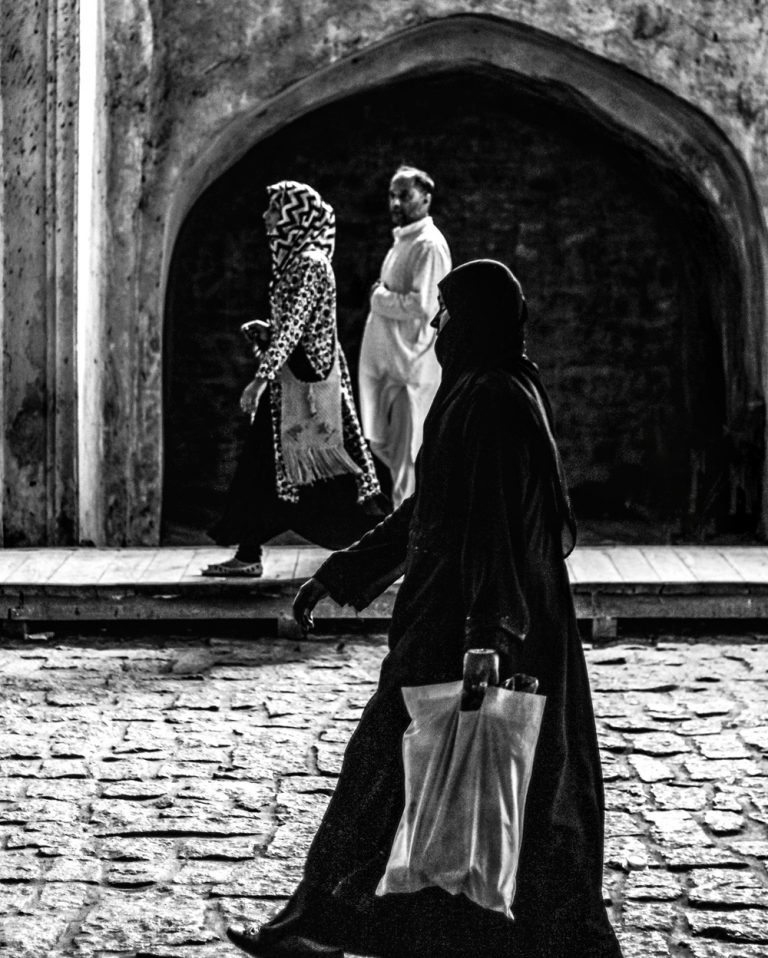
Pakistan’s journey toward women’s empowerment is increasingly recognized as a cornerstone of national development, extending far beyond social policy into the realms of economic growth, innovation, and governance. With women’s labour force participation hovering around 21%, unlocking their potential is not merely a moral imperative but a strategic economic opportunity. Research suggests that closing gender gaps in workforce participation could enhance Pakistan’s GDP by up to 60% over the long term, underscoring the economic significance of empowerment initiatives. As the country prepares to host the 9th Organization of Islamic Cooperation (OIC) Ministerial Conference on Women in 2026, it signals Pakistan’s commitment to shaping inclusive policies across the Muslim world.
Historical Roots and Policy Foundations
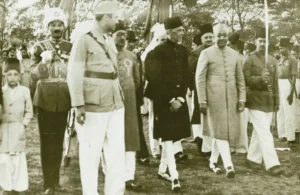
The vision for women’s empowerment in Pakistan dates back to the founding of the nation. Quaid-e-Azam Muhammad Ali Jinnah emphasized the equal role of women in nation-building in 1947, a principle embedded in successive policies. The National Policy for Development and Empowerment of Women (2002) institutionalized legal, economic, and political reforms, establishing a framework for gender-inclusive development. Today, these initiatives align with Sustainable Development Goal 5 (Gender Equality) and Pakistan Vision 2025, ensuring women’s access to education, employment, financial resources, and decision-making platforms. Reserved seats for women in national, provincial, and local assemblies have strengthened political inclusion and representation, enabling women to influence policy directly.
Economic Empowerment: From Cash Transfers to Entrepreneurship
Economic participation is central to Pakistan’s empowerment agenda. The Benazir Income Support Programme (BISP), launched in 2008, is the country’s largest women-focused social protection initiative, reaching over 9 million women beneficiaries by 2025. Targeted cash transfers have improved household nutrition, school enrolment, and poverty alleviation, creating measurable productivity gains. Complementary programs in microfinance and skills development, such as the Kashf Foundation’s USD 496 million in microloans since 1996, have enabled women-led enterprises and small businesses, fostering financial independence and local economic growth. Provincial initiatives further support vocational training, daycare facilities, and women’s hostels, facilitating broader labour force participation.
Education, Skills, and Digital Inclusion
Education and skills development are tightly linked to innovation and productivity. Programs such as “Roshni Baji,” training women electricians, and the Women on Wheels (WOW) initiative, which provides subsidized motorbikes and driving training, are expanding mobility and employment opportunities. Digital inclusion remains a challenge, with women trailing men in internet access by an estimated 25 percentage points. However, government-led initiatives and partnerships with development agencies are bridging this gap through digital literacy, e-commerce, and gig economy training. More than 11,500 women’s community groups have been organized to enhance leadership, social engagement, and entrepreneurial innovation.
Political and Social Participation
Women’s political empowerment is advancing alongside economic initiatives. With 33% reserved seats in legislatures at all levels, women increasingly influence governance and policymaking. Historical milestones, such as Benazir Bhutto serving as the first female prime minister in a Muslim-majority country, illustrate Pakistan’s commitment to gender inclusion in leadership. Social programs addressing gender-based violence, reproductive health, and legal protections reinforce community resilience and contribute to inclusive development. Evidence indicates that when women control resources, household investment in education and health rises, amplifying long-term social and economic gains.
Measurable Impacts and the Road Ahead
Empowered women are reshaping Pakistan’s economic landscape. Women-led enterprises contribute to growth in agriculture, textiles, services, and IT sectors. Enhanced mobility, digital access, and microfinance initiatives support entrepreneurship, while increased participation in governance strengthens accountability and policy responsiveness. Despite progress, challenges such as rural literacy gaps, digital exclusion, cultural constraints, and the gender pay gap persist. Addressing these issues requires sustained investment in education, enforcement of laws, financial inclusion, and public awareness campaigns.
The 2026 OIC Ministerial Conference on Women offers Pakistan a platform to showcase successful interventions, share best practices, and foster collective strategies for empowerment across Muslim-majority countries. The evidence is clear: empowering women is not a social cost but a high-yield investment in national resilience, economic productivity, and social cohesion. Pakistan’s experience demonstrates that inclusive growth, innovation, and societal progress are achievable when women are equipped, supported, and integrated into every facet of national development.
Conclusion:
Pakistan’s commitment to women’s empowerment is strategically aligned with national development objectives. From economic participation to digital inclusion, education, and political representation, women are proving to be pivotal drivers of productivity, innovation, and social progress. As Pakistan prepares to lead on the international stage in 2026, investing in women remains central to building a resilient, prosperous, and equitable society.