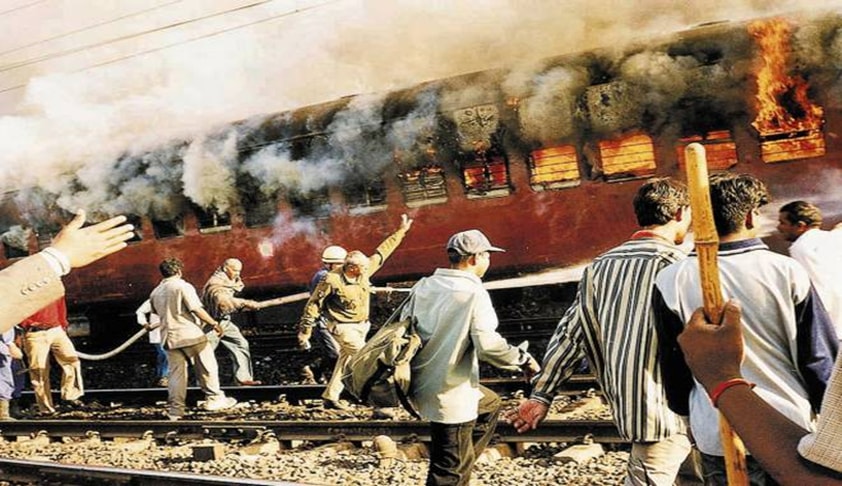
On 28 February 2002, a wave of inter-communal violence began in the Indian state of Gujarat, marking one of the most tragic episodes in the country’s recent history. The unrest followed the burning of a train coach in Godhra a day earlier, which resulted in the deaths of 58 Hindu pilgrims and karsevaks returning from Ayodhya. The incident triggered widespread violence that initially erupted in cities such as Ahmedabad before spreading across the state.
According to official figures, the violence resulted in 1,044 deaths, with 790 Muslims and 254 Hindus reported killed. Additionally, 223 individuals were declared missing and approximately 2,500 were injured. While the most intense violence occurred during the initial weeks, sporadic incidents continued for months, with reports indicating that the minority Muslim community was disproportionately affected.
The events of 2002 significantly impacted India’s social and political landscape, raising questions about communal harmony, governance, and accountability. More than two decades later, the Gujarat violence remains a subject of debate, reflection, and legal scrutiny, symbolizing the long-lasting consequences of sectarian unrest.