Skip to content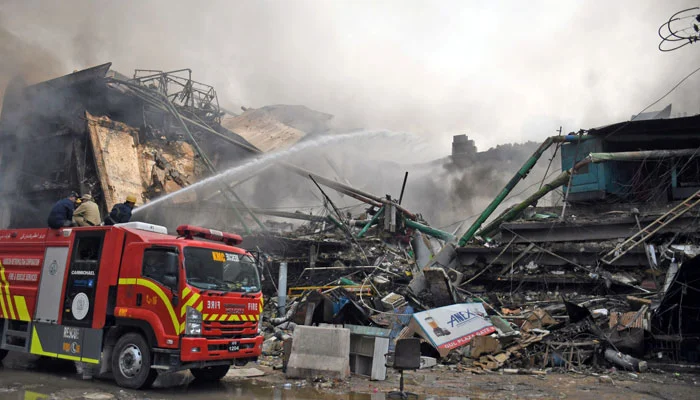
The fire that engulfed Karachi’s Gul Plaza shopping mall over the weekend is not just another urban calamity, it is a reminder of the systemic failures that continue to put lives at risk in Pakistan’s cities. Fourteen confirmed deaths, scores missing, and families left in anguish highlight a tragedy that could, and should, have been prevented. While firefighters and rescuers battled tirelessly for over 24 hours to control the blaze, the human and infrastructural toll exposes deeper cracks in urban planning, regulatory enforcement, and disaster preparedness.
A Preventable Disaster
Fires in commercial spaces are neither unprecedented nor unpredictable. The Gul Plaza tragedy underscores a recurring pattern: lax safety standards, inadequate inspection regimes, and insufficient emergency protocols. Buildings are often constructed or modified without adherence to fire safety codes, exits remain blocked, alarms fail, and firefighting infrastructure is frequently inadequate. When tragedy strikes, it is the citizens shoppers, workers, and families who bear the brunt of institutional neglect.
The Response: Heroism Amidst Chaos
Amid the devastation, the courage of firefighters, rescue teams, and volunteers stands out. Their relentless efforts over more than 24 hours prevented further loss of life and mitigated the fire’s spread. Yet heroism cannot substitute for foresight. Pakistan’s urban centres, particularly Karachi, face increasingly complex risks due to high-density construction and insufficient regulatory oversight. Reliance on post-disaster heroics is not a strategy; it is a grim necessity born out of systemic failure.
Regulation and Accountability Cannot Wait
It is imperative for city authorities and regulatory bodies to reassess fire safety compliance. Mandatory inspections, proper enforcement of safety codes, and real-time monitoring must be institutionalised. Equally critical is the accountability of building owners and management, who often ignore basic safety measures in pursuit of profit. Public safety cannot be subordinated to commercial convenience.
A Lesson for Karachi and Beyond
The Gul Plaza inferno is a warning for all Pakistani cities grappling with rapid urbanisation. Crowded commercial hubs, inadequate safety infrastructure, and poorly enforced regulations create a volatile mix. If lessons from such tragedies are not internalised, they will repeat, with a predictable toll on lives and livelihoods. Beyond immediate firefighting, policymakers must adopt proactive urban risk management strategies, including rigorous audits, emergency preparedness drills, and public awareness campaigns.
Conclusion: Tragedy, Responsibility, Reform
As families search for missing loved ones and grieve for the dead, the Gul Plaza fire serves as a painful reminder: disasters are never entirely accidental. They are the culmination of negligence, inadequate planning, and weak enforcement. Karachi, a city of resilience and ambition, cannot afford to let tragedy dictate the terms of urban life. True reform demands accountability, investment in safety, and an unwavering commitment to protecting lives above all else.