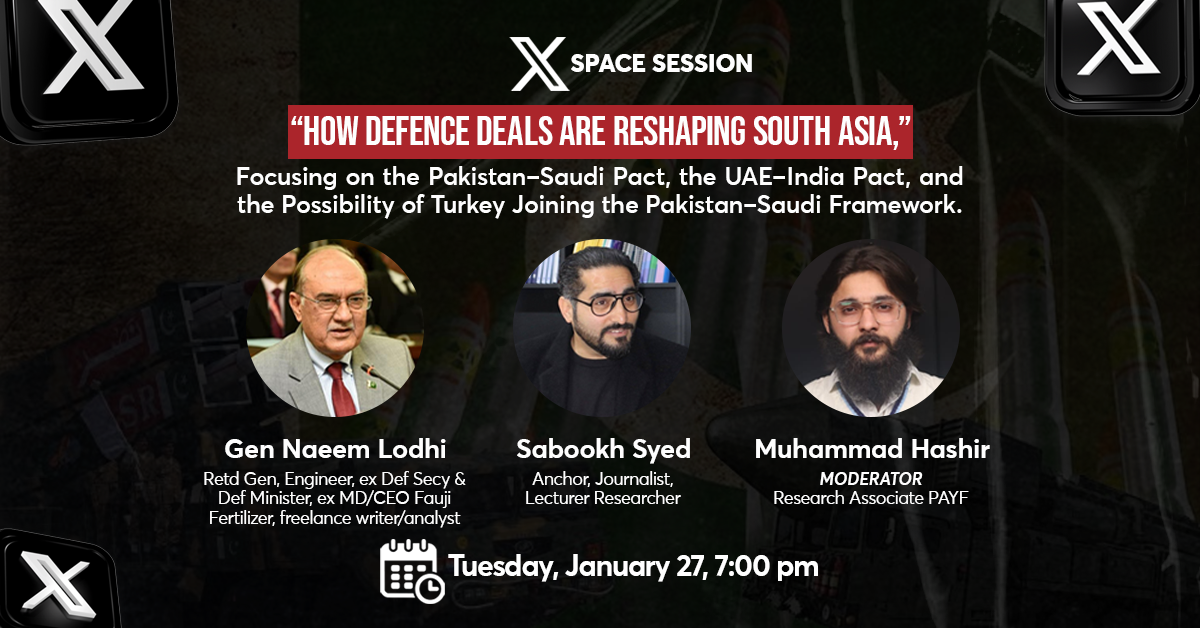
The geopolitical landscape of South Asia is currently undergoing a structural transformation. On January 27, 2026, the PAYF Space Session brought together high-level analysts including Lt Gen (R) Nadeem Lodhi and journalist Sabookh Syed—to dissect the new era of “military diplomacy.” The discussion, moderated by Muhammad Hashir, highlighted a move away from loose alignments toward formalized, high-stakes defence frameworks that could define the next decade.
The Pakistan-Saudi Moment
The centerpiece of the session was the evolution of the Pakistan-Saudi Strategic Mutual Defence Agreement (SMDA). Historically characterized by informal military assistance, the relationship has crystallized into a binding pact.
The speakers noted that this alliance is no longer just about “security for oil.” It represents a strategic pivot:
Collective Deterrence: The pact uses language similar to NATO’s Article 5, where aggression against one is viewed as aggression against both.
Technological Synergy: It merges Pakistan’s battle-hardened military experience with Saudi Arabia’s massive economic and technological investment capacity under Vision 2030.
Strategic Autonomy: Both nations are actively seeking to reduce dependence on U.S.-centric dollar systems and traditional Western security guarantees.
The UAE-India-Israel Axis
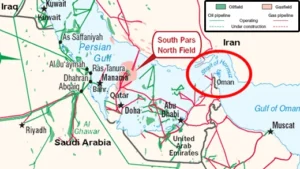
While Pakistan solidifies its western front, a parallel alignment is forming between the UAE, India, and Israel. Often referred to as a “technological and economic nexus,” this group has recently moved toward more structured defence cooperation.
Lt Gen (R) Nadeem Ahmad pointed out that while this pact is a response to the Saudi-Pakistan momentum, it isn’t necessarily a “war footing” alliance. The UAE, ever the pragmatist, maintains open diplomatic channels with Islamabad, ensuring that economic entanglement acts as a buffer against total regional polarization.
The Turkish Factor: A Trilateral Future?
Perhaps the most intriguing development discussed was Turkey’s advanced talks to join the Saudi-Pakistan framework.
Ankara’s Role: Turkey brings a sophisticated domestic defence industry and operational drone technology to the table.
The “Muslim Coordination” Trend: This isn’t just a trio; nations like Bangladesh, Indonesia, and Malaysia are also exploring engagement. This reflects a growing desire among Muslim-majority middle powers to coordinate on technology exchange and regional deterrence.
The Shift to Multi-Track Diplomacy
The session concluded with a crucial takeaway: Pakistan is pivoting toward “Multi-Track Diplomacy.” The era of being a “frontline state” for great power rivalries is being replaced by a focus on:
Economic Integration: Leveraging defence exports (like the JF-17 and drone tech) as a tool for economic stability.
Technological Sovereignty: Moving away from aid toward joint production and tech transfers.
Balanced Hedging: Avoiding “blind alignment” with any single power to protect national interests in a multipolar world.
As the “business suits” of diplomacy take over from the traditional “garrison” mindset, the next decade will depend on how effectively these nations can balance deterrence with internal economic stability.