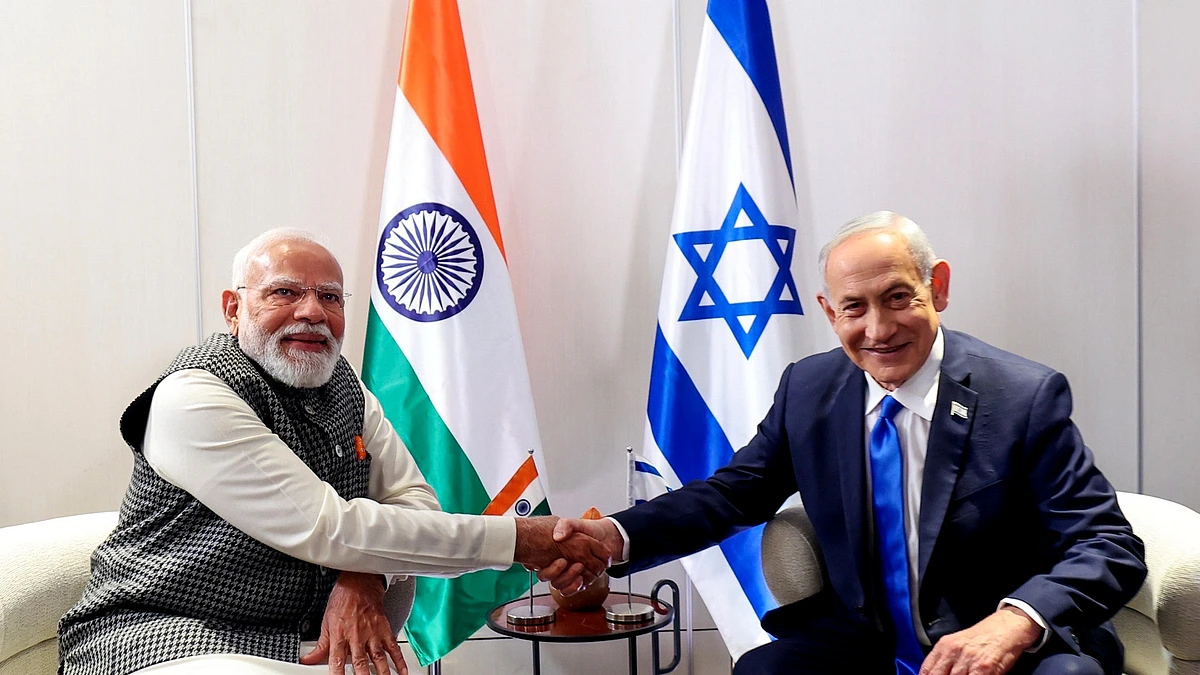
Indian Prime Minister Narendra Modi’s recent engagement with Israel has once again spotlighted the accelerating strategic alignment between New Delhi and Tel Aviv. While officials characterize the relationship as pragmatic and security-driven, critics argue that the pace and symbolism of cooperation may carry broader geopolitical implication, particularly in a Middle East already marked by volatility.
Expanding Defense and Technology Ties
Over the past decade, India and Israel have transformed their relationship into one of Asia’s most significant defense partnerships. According to the Stockholm International Peace Research Institute (SIPRI), India remains one of the largest importers of Israeli defense equipment, including missile defense systems, drones, and advanced surveillance technologies.
Both governments justify the partnership on security grounds. India cites cross-border militancy and internal counterterrorism needs, while Israel underscores shared intelligence cooperation and defense innovation. Beyond military ties, collaboration has expanded into agriculture, water management, artificial intelligence, cybersecurity, and high-tech innovation.
Bilateral trade has steadily grown, reflecting a diversification of engagement beyond defense procurement.
Surveillance Technology and Accountability Concerns
Despite official assurances, human rights organizations such as Amnesty International and Human Rights Watch have raised concerns about the global export of surveillance technologies and their potential misuse.
The controversy surrounding Pegasus spyware — developed by NSO Group — intensified scrutiny over transparency in cyber cooperation agreements. Although both India and Israel denied wrongdoing, the episode triggered international debate about oversight, digital privacy, and democratic safeguards.
Critics warn that deeper technological integration without transparent regulatory frameworks may amplify reputational risks for both countries.
Implications for the Middle East
India historically maintained a calibrated diplomatic posture in the Middle East, balancing strong ties with Arab states while supporting Palestinian statehood in multilateral forums. In recent years, New Delhi has adopted a multi-alignment approach — strengthening engagement simultaneously with Israel, Gulf Cooperation Council (GCC) states, and Iran.
However, analysts suggest that increasingly visible strategic signaling with Israel during periods of heightened regional tension — particularly involving Gaza and Lebanon — may complicate perceptions. In geopolitics, symbolism often carries weight equal to policy substance.
Some regional observers argue that India’s expanding defense cooperation with Israel may be viewed within the context of a shifting regional security architecture. Others contend that India’s deepening energy and economic partnerships with Gulf states demonstrate continued diplomatic balance.
Domestic and International Debate
Within India, supporters frame Israel as a dependable defense partner that has consistently supplied critical equipment during times of crisis. Critics counter that overt alignment with Israeli security policy, particularly during periods of international scrutiny over Palestinian rights, risks diplomatic friction in parts of the Global South.
International analysts emphasize that strategic partnerships are not inherently destabilizing. The long-term impact depends on transparency, proportionality, and the ability to maintain diversified diplomatic channels.
The Strategic Crossroads
As global power equations evolve and regional conflicts remain fluid, India’s foreign policy trajectory is being closely observed. The strengthening India–Israel partnership reflects converging strategic interests, but it also raises questions about perception management, ideological signaling, and long-term regional positioning.
Whether this relationship ultimately contributes to regional stability or intensifies geopolitical polarization will depend not only on bilateral cooperation, but on how both countries navigate broader Middle Eastern sensitivities in an increasingly fragile environment.

![Pakistan and Afghanistan halt fire exchange, with ongoing diplomatic talks aimed at preventing further border conflict. [Image via AFP/File]](https://pakasiayouthforum.com/wp-content/uploads/2024/12/Pak-Afghan-border1675358892-0-300x203.webp)