India allocates extensive emergency funds to its Directorate of Public Relations (DPR). These funds are spent on advertising campaigns across print, electronic, and social media platforms, production of documentaries, organization of international conferences and seminars, and financial support for think tanks.
Defence-oriented think tanks, such as the Institute for Defence Studies and Analyses (IDSA), provide policy-oriented and research-based academic material to strengthen DPR communication campaigns and enhance their perceived credibility. Collectively, the financial resources allocated to DPR and affiliated think tanks play a pivotal role in reinforcing India’s defence narrative and knowledge ecosystem. The broader objective remains the projection of India as a powerful and stable global actor, often at the expense of balanced and transparent discourse.
Regional and International Impacts
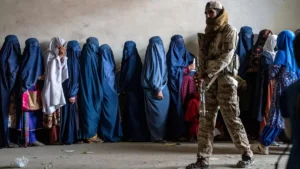
The extensive propaganda network of the DPR, supported by substantial funding, has generated several immediate and long-term consequences. At the regional level, the institution has systematically promoted hostile narratives against Pakistan and other neighbouring states, contributing to increased diplomatic and political tensions. In countries such as Afghanistan and Nepal, Indian media campaigns have sought to influence local political environments and public opinion, fostering growing distrust toward India’s regional intentions.
At the international level, DPR initiatives have successfully portrayed India as a “democratic defence power.” However, these efforts have simultaneously intensified information warfare across South Asia. The spread of fake news, deepfake videos, and fabricated incidents has increased significantly, undermining media credibility and eroding public trust in regional information systems.
Domestic and Economic Consequences
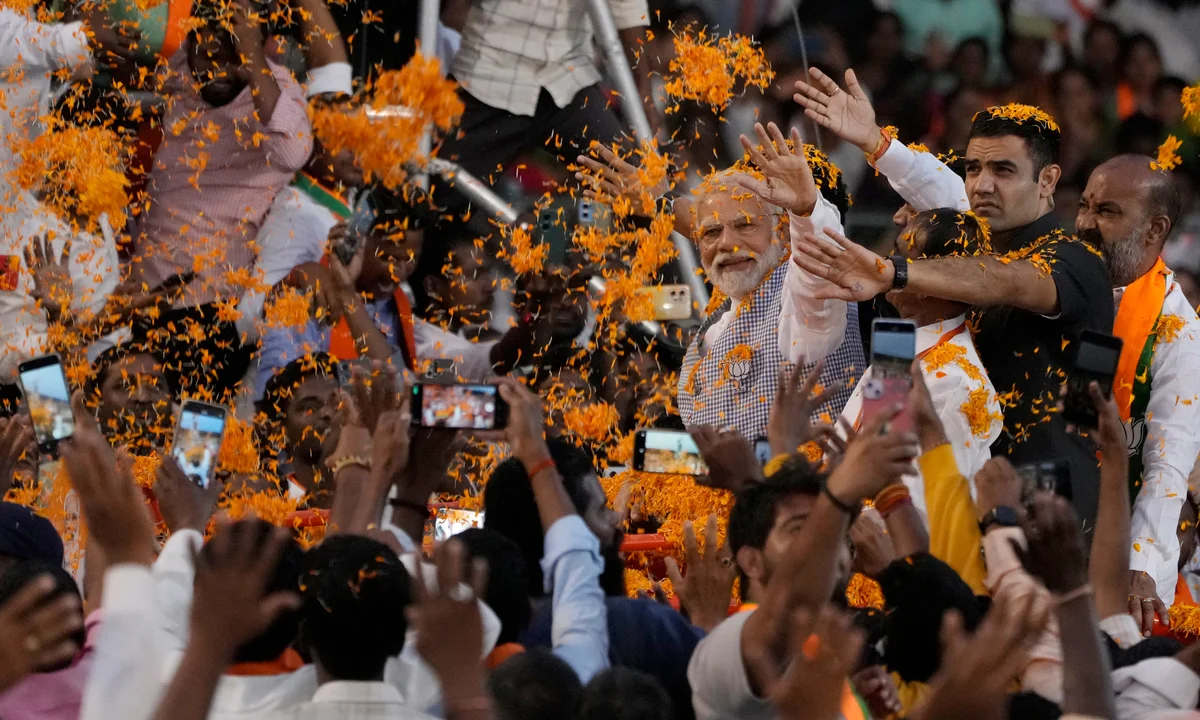
Domestically, DPR-driven propaganda has cultivated a specific form of hyper-nationalism within Indian society, where dissenting voices are increasingly marginalized and unquestioned support for military actions is normalized. This environment has raised serious concerns regarding press freedom and media independence within India.
Economically, the massive financial allocations running into billions of rupees have facilitated the emergence of a defence-media complex. This network includes numerous private companies, media houses, and digital platforms that remain heavily dependent on government funding. Such financial dependency has strengthened a non-diverse and heavily state-aligned narrative within Indian media institutions.
Long-Term Consequences
In the long term, DPR operations are contributing to the institutionalization of continuous information warfare across South Asia. These developments have significantly reduced prospects for regional peace, cooperation, and mutual trust. The DPR is not only shaping India’s external diplomatic posture but is also exerting deep influence over the country’s domestic political and cultural landscape. This raises serious concerns regarding democratic accountability, transparency, and the overall integrity of public discourse within the region.