Skip to content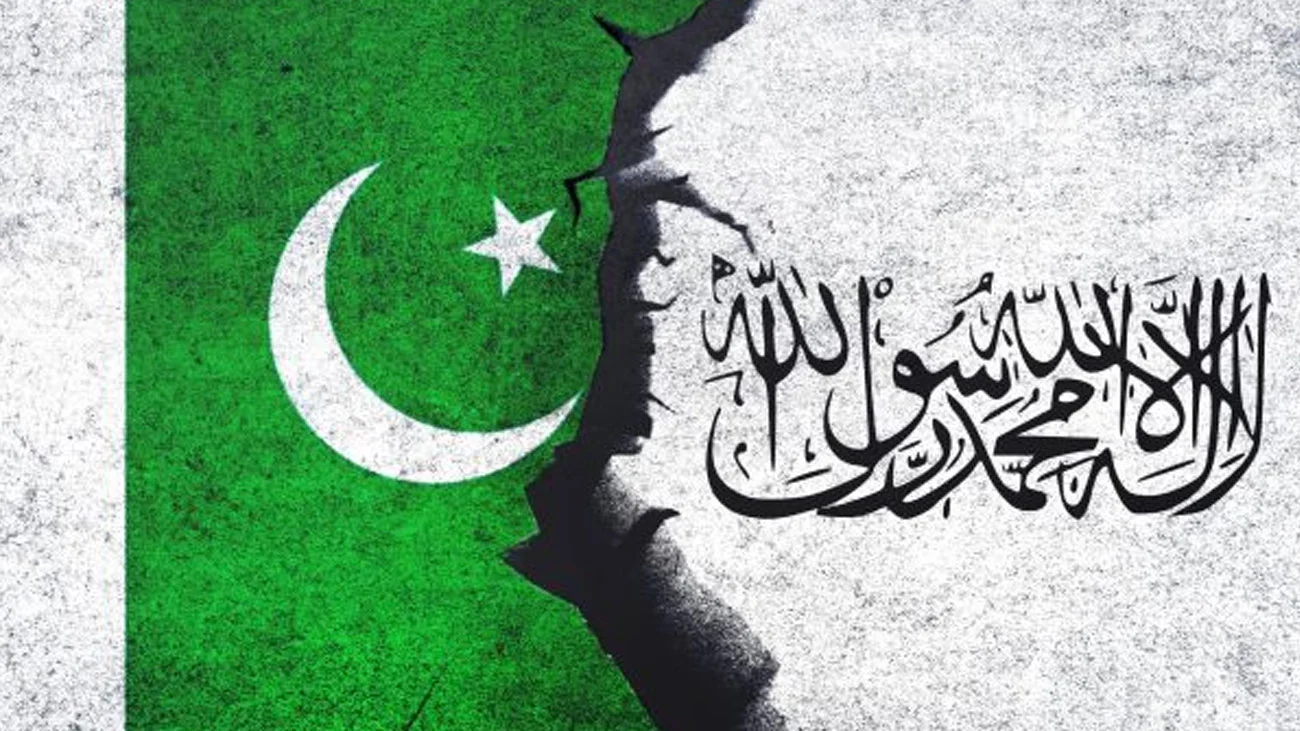
The ornate conference rooms of Istanbul’s Conrad Hotel have become the unlikely stage for one of South Asia’s most precarious diplomatic gambits. As Pakistan and Afghanistan entered their third round of negotiations on November 6, 2025, mediated by Qatar and Turkey, the talks exposed the fragmented architecture of regional peace and the ghosts of broken promises that continue to haunt Afghanistan.
October 2025 witnessed the most violent Afghanistan-Pakistan confrontations since the Taliban’s return to power in 2021, with Pakistani airstrikes hammering Kandahar and Afghan forces retaliating against Pakistani border posts. The violence claimed over 70 lives, leaving hundreds wounded and civilian areas devastated. When Qatar brokered a ceasefire on October 19 in Doha, it was less a triumph of diplomacy than a desperate pause before potential catastrophe.
The Core Demands: An Uncompromising Position
The second round of Istanbul talks, held from October 25-30, ended in gridlock despite establishing a monitoring and verification mechanism. Pakistan’s demands were singular and uncompromising: Afghanistan must dismantle the safe havens of Tehreek-e-Taliban Pakistan (TTP), the militant group responsible for surging attacks inside Pakistan. Pakistan’s intelligence chief Lt. Gen. Asim Malik presented “evidence-based, justified and logical demands” to mediators, seeking verifiable action against cross-border terrorism. The Afghan delegation, led by intelligence director Abdul Haq Wasiq, rejected Pakistan’s characterization, insisting Afghanistan’s soil was not being used against any nation.
The Doha Agreement’s Broken Legacy
Beneath this diplomatic standoff lurks a darker truth rooted in the 2020 Doha Agreement, the flawed compact that precipitated America’s withdrawal and the Taliban’s return. Signed on February 29, 2020, between U.S. envoy Zalmay Khalilzad and Taliban negotiator Mullah Abdul Ghani Baradar, the agreement promised four pillars: preventing Afghan territory from becoming a terrorist sanctuary, U.S. troop withdrawal, intra-Afghan dialogue, and a comprehensive ceasefire. Four years later, the accord stands as a monument to unfulfilled commitments.
The Taliban violated critical provisions almost immediately. Despite pledging to sever ties with terrorist groups, al-Qaeda leader Ayman al-Zawahiri was harboured in Kabul until killed by a U.S. drone strike in 2022. Violence against Afghan security forces surged by over 70% in the 45 days following the agreement, with the Taliban conducting more than 4,500 attacks.
The promised “meaningful dialogue” with fellow Afghans never materialized; instead, the Taliban established an all-male, hardline government that imposed draconian restrictions, particularly on women. The agreement’s fundamental flaw was excluding the Afghan government from negotiations, a betrayal that elevated the Taliban while undermining legitimate governance.
Taliban’s Internal Fracture: Kandaharis and Haqqanis
This legacy now poisons the Istanbul talks, but complications run deeper still. The Taliban regime itself is fracturing along internal fault lines that threaten its coherence. At the heart of this schism lies the power struggle between the puritanical Kandahar faction, led by Supreme Leader Mullah Hibatullah Akhundzada, and the pragmatic Haqqani Network, commanded by Interior Minister Sirajuddin Haqqani.
The Kandaharis control the Taliban’s religious and ideological core, drawing legitimacy from their southern strongholds and Mullah Omar’s legacy through Defence Minister Mullah Yaqoob. Akhundzada has consolidated power through his clerical council, deploying loyalist forces to strategic Kabul locations previously controlled by the Haqqanis, including Bala Hissar fortress and Kabul International Airport. The Haqqani Network, by contrast, traces its roots to the 1970s anti-Soviet jihad and maintains deep ties with Pakistan’s Inter-Services Intelligence.
The TTP Question: Where Factions Diverge
The TTP issue crystallizes this internal division. The Haqqanis view the TTP as a “reserve force” for potential internal conflicts and are reluctant to surrender their military potential despite professed willingness to address Pakistan’s concerns. The Kandahar faction, seeking regional legitimacy, recognizes the TTP as destabilizing yet lacks the will or ability to control Haqqani influence over militant sanctuaries. When Pakistan conducted precision strikes on Kandahar in October, the Haqqanis remained conspicuously uninvolved, with decision-making resting with the puritanical Kandaharis.
This factional warfare erupted into public view in February 2023 when Sirajuddin Haqqani openly criticized power monopolization, and again in December 2024 when his uncle, Refugee Minister Khalil-ur-Rahman Haqqani, was assassinated.
Conclusion: A Triple Tragedy
As Istanbul’s third round of negotiations stretches into tense deliberations, prospects for a lasting peace remain elusive. The Istanbul talks are a triple tragedy: a ceasefire born from exhaustion rather than reconciliation, haunted by the Doha Agreement’s broken promises, and complicated by a Taliban regime whose internal divisions may render it incapable of delivering peace even if it desired to do so.