The National Ritual of Resolve
February 5, 2026, once again witnessed Pakistan and Azad Jammu and Kashmir (AJK) observing Kashmir Solidarity Day with solemnity, civic participation, and nationwide devotion. From federal institutions to provincial governments, the day has become a structured expression of Pakistan’s moral and strategic commitment to the Kashmiri struggle for self-determination. Across the country, citizens paused at 10:00 AM for a minute of silence, punctuated by nationwide sirens, to honor the martyrs who have sacrificed their lives in the cause of freedom. Human chains at pivotal bridge points, Kohala, Holar, Bararkot, Dhalkot, Azad Pattan, Dhan Galli, and Mangla, symbolically reinforced the unbreakable bond between Pakistan and Kashmir, demonstrating both solidarity and a persistent call for global attention to the humanitarian and political crisis in Indian-occupied Kashmir.
Civilian-Military Unity: Coordinated Leadership
The 2026 observances reflected a seamless narrative between Pakistan’s civilian and military leadership. President Asif Ali Zardari decried India’s August 5, 2019, revocation of Article 370 as a calculated effort to dismantle Kashmir’s political identity, calling it a “grave challenge to global conscience.” Prime Minister Muhammad Shehbaz Sharif highlighted the failure of the international community to implement United Nations Security Council resolutions guaranteeing a free and impartial plebiscite. The military establishment, represented by Field Marshal Syed Asim Munir, Admiral Naveed Ashraf, and Air Chief Marshal Zaheer Ahmed Babar Sidhu, reaffirmed unwavering solidarity with the Kashmiri people, condemning extrajudicial killings, enforced disappearances, and arbitrary detentions. This civilian-military synergy underscores Pakistan’s holistic strategy combining diplomacy, governance, and strategic preparedness.
The Humanitarian Toll: Seven Decades of Sacrifice
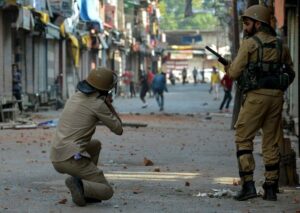
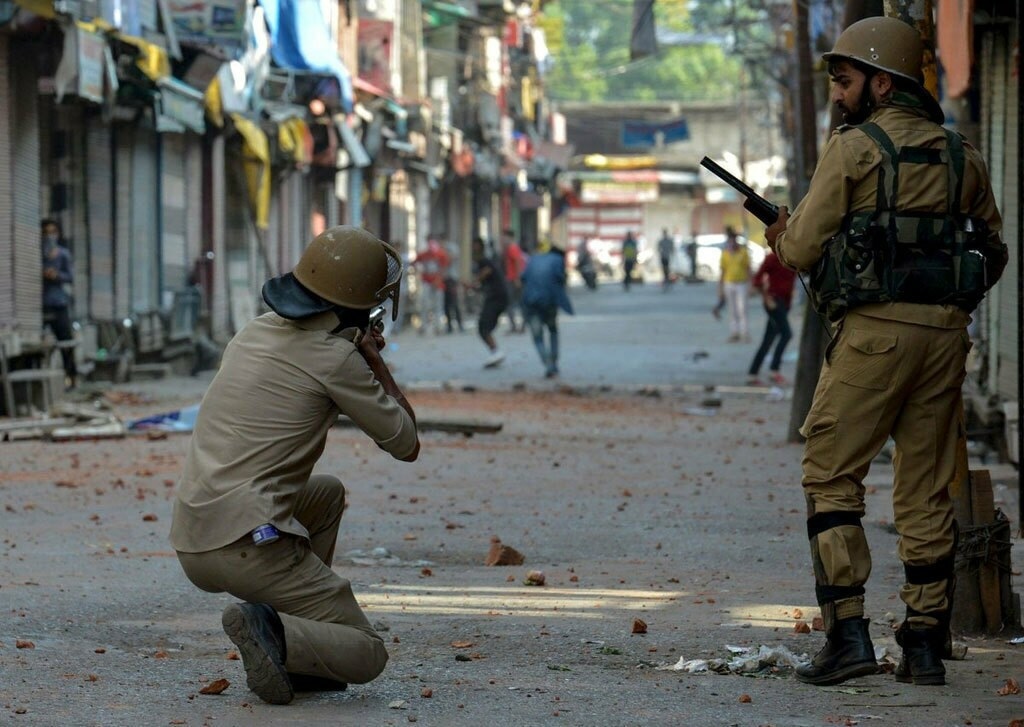
The statistics of suffering remain staggering. Since 1947, over 600,000 Kashmiris have lost their lives, with more than 96,000 martyred since the 1989 uprising. Over 7,000 individuals were killed in custody, more than 100,000 children orphaned, and nearly 23,000 women widowed. Reports document over 11,000 women subjected to sexual violence over the past 37 years. Post-2019 occupation measures have intensified these patterns, with 966 deaths, 25,000 arrests, and ongoing repression. The phenomenon of “Half Widows” and the generation blinded by pellet guns exemplify systemic oppression, reinforcing Pakistan’s assertion that fundamental human rights are being denied under the pretext of security.
Legal and Demographic Re-engineering: Undermining Self-Determination
India’s post-2019 legal and administrative policies, including new domicile laws and delimitation of constituencies, have altered Kashmir’s demographic and political landscape. The J&K Reorganisation Act and enhanced powers of the centrally-appointed Lieutenant Governor have diluted local governance and precluded meaningful plebiscite prospects. Pakistan’s position, grounded in international law and the Fourth Geneva Convention, frames these measures as deliberate attempts to consolidate occupation and suppress the legitimate aspirations of Kashmiris in Indian-occupied Kashmir.
Escalation and Regional Fragility
The Pahalgam attack of April 2025, which claimed 26–28 civilian lives, and India’s subsequent cross-LoC airstrikes highlighted the volatility of the region. Threats to the Indus Water Treaty and border closures underscored the potential for escalation between two nuclear-armed states. Pakistan’s response emphasized international oversight, while diplomatic channels reinforced calls for adherence to UN resolutions and impartial monitoring.
Religious Freedom Under Siege
The profiling of mosques and religious functionaries in Indian-occupied Kashmir constitutes a new dimension of repression, described by Pakistan as institutionalized Islamophobia and ideological coercion. Detentions of religious leaders, restrictions on traditional practices, and surveillance of community spaces exemplify the suppression of religious freedom. Pakistan has formally raised these concerns with the UN High Commissioner for Human Rights and the OIC Secretary-General.
Digital Repression: Controlling the Narrative
Information control remains a core strategy of occupation. In 2025, 8,000 social media accounts were blocked, 2,800 individuals detained, and 480 cordon-and-search operations conducted. Journalists faced arrests, passport revocations, and travel restrictions, effectively curbing independent reporting. Pakistan highlights this digital suppression as a deliberate attempt to conceal human rights violations and maintain a pervasive climate of fear.
Multilateral Paralysis and Strategic Diplomacy
The international community remains divided, with the UN constrained by internal disagreements and India rejecting third-party mediation under the Simla Agreement. The OIC continues to advocate for Kashmiris, and Pakistan supports initiatives such as the “Board of Peace” model, proposed by the US for international supervision. These frameworks aim to ensure impartial monitoring, a step India has resisted, fearing exposure of human rights abuses.
Conclusion: Pakistan’s Enduring Commitment
Kashmir Solidarity Day 2026 reiterates Pakistan’s leadership in advocating for justice, human rights, and regional stability. Through national observances, data-driven advocacy, and international outreach, Pakistan projects a coordinated strategy blending diplomacy, civilian governance, and military resolve. The day underscores Kashmir’s centrality to Pakistan’s identity and its unwavering commitment to the Kashmiri people, ensuring that the call for justice and self-determination resonates globally.