The Narrow Line They Walk
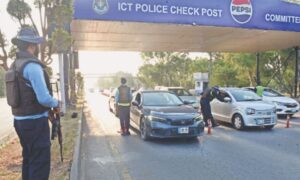
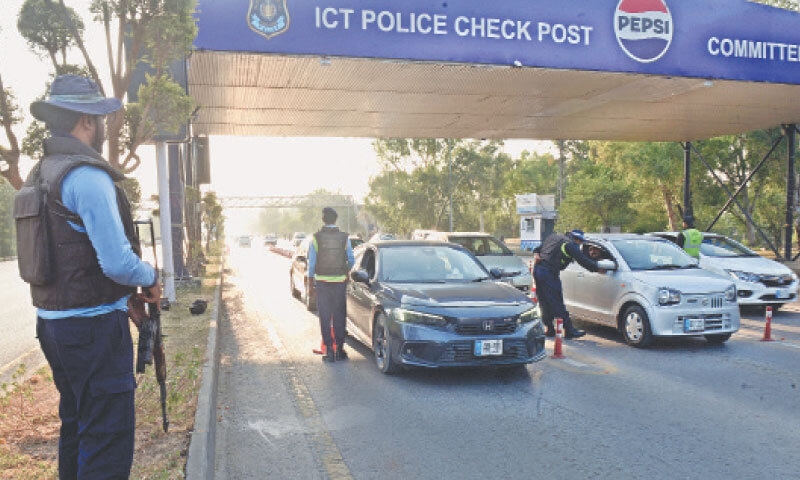
At a security checkpoint, a law enforcement officer stands on one of the most fragile fault lines in public service, the space between ensuring safety and managing public sentiment. Every instruction given, every search conducted, every restriction imposed is weighed not only against threat perception but also against public reaction.
If officers enforce strict standoff distances, insist on removal of outer garments, or carry out detailed searches, segments of society may perceive the measures as excessive, intrusive, or humiliating. Human rights advocates raise concerns, social media amplifies criticism, and the narrative can quickly shift from “security” to “overreach.”
The Cost of a Single Moment
Yet the operational reality is unforgiving. When an officer chooses courtesy over caution allowing someone to approach too closely or opting for a less intrusive check to avoid confrontation, the consequences can be fatal.
Recent events at Dajal Checkpost in Bhakkar illustrate this stark reality. A suicide attacker requires only one moment of lowered vigilance. An officer, however, must get every moment right.
This asymmetry defines counterterror policing: the margin for error is zero for the defender, but infinite for the attacker.
Public Safety vs Public Comfort
Security protocols at checkpoints are not designed for convenience; they are designed for survival. Standoff procedures, layered searches, and strict verification exist because past tragedies have demonstrated what happens when vigilance slips.
Public cooperation is not merely supportive, it is protective. Understanding why strict procedures exist can transform frustration into partnership.
A Call for Balanced Perspective
Accountability and human rights remain essential pillars of democratic governance. However, discussions around checkpoint security must also acknowledge the operational realities faced by officers confronting evolving terrorist tactics.
The true tragedy is not strict enforcement. it is preventable loss of life.
In the world of counterterror policing, the equation remains cruelly simple:
Too strict, and you are condemned. Too relaxed, and you are buried.