In August 2021, as Kabul fell and the world hurried its diplomats onto departing planes, one embassy stayed open. Pakistan’s mission kept its doors unlocked and became a lifeline for evacuees in the middle of the chaos. This was a country that had already hosted millions of Afghans for more than four decades. It did not need to prove anything to anyone. It stayed because it believed that a stable Afghanistan was the only realistic path to a stable region.
That belief shaped everything that came after.
At the UN-led conferences on Afghanistan, Pakistan was among the loudest voices asking for the country’s frozen assets, some $9 billion, to be released. It carried the same argument into regional forums like ECO. Islamabad wanted peace next door, and it was willing to spend political capital to get it.
What it got instead was a neighbour whose territory became a comfortable home for the TTP and BLA.
Every door, knocked on
It is easy to forget how many doors Pakistan tried before it stopped knocking.
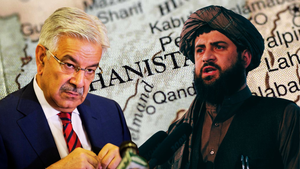
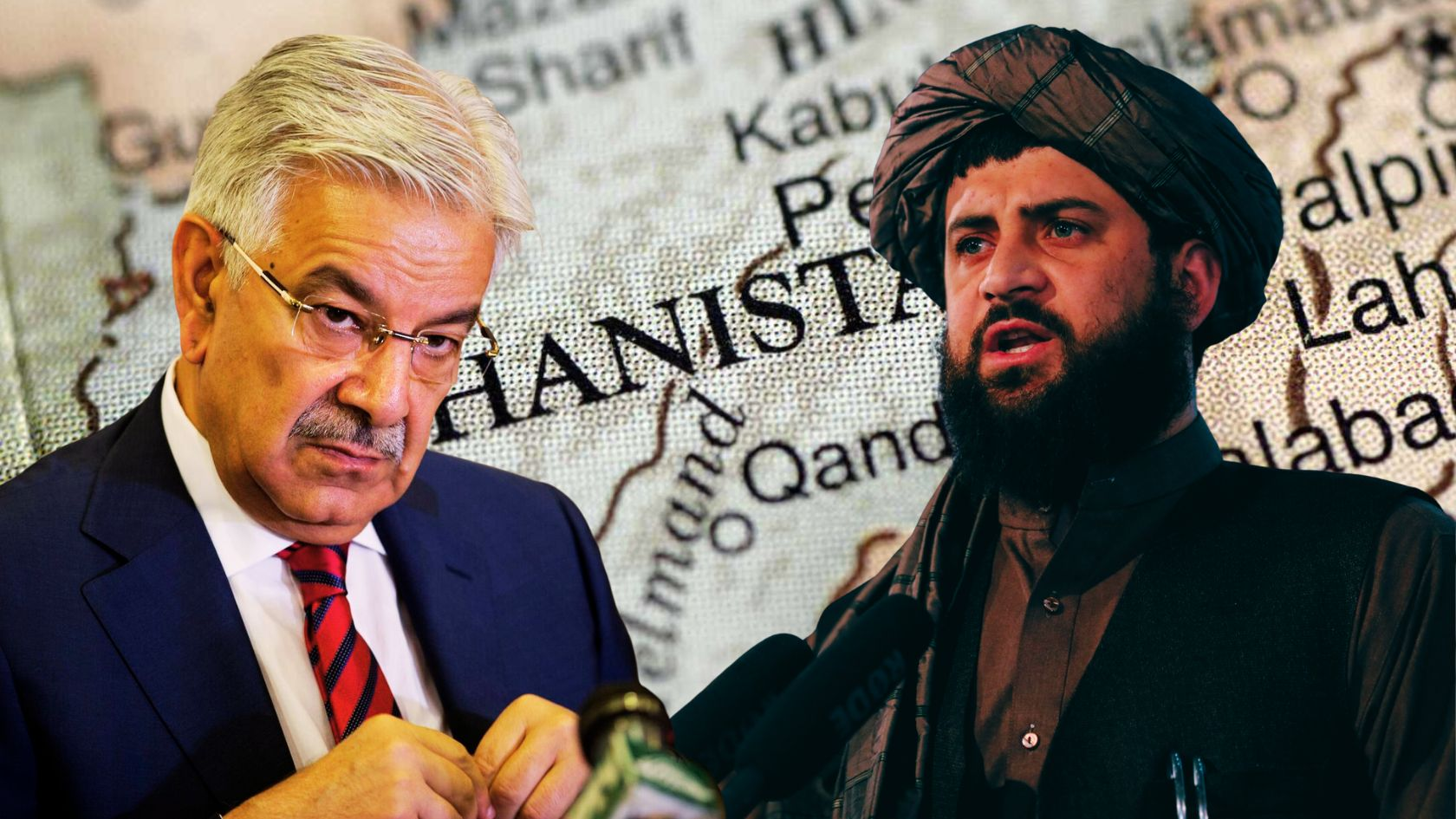
In July 2022, eight ulema led by Mufti Taqi Usmani travelled to Kabul with a simple request: stop sheltering the TTP. Days later, a 17-member tribal jirga carried the same message. In February 2023, Defence Minister Khawaja Asif and the then DG ISI, Lt Gen Nadeem Anjum, went themselves. In July 2024, Interior Minister Mohsin Naqvi led another delegation on security cooperation.
Religious leaders, tribal elders, ministers and spymasters all took the road to Kabul, and all came home with the same result.
By the end of 2025, the ledger looked like this: four Foreign Minister visits, two Defence Minister/DG ISI missions, five Special Representative visits, five Secretary-level meetings, one NSA visit, eight Joint Coordination Committee meetings, 225 Border Flag Meetings, 836 protest notes and 13 demarches. Nobody keeps a record like that out of impatience.
Trade was part of the effort too. Special Envoy Muhammad Sadiq worked on the Early Harvest Programme, which cut tariffs on eight key agricultural items so that both sides would gain from stability. Even after the deadliest clashes in years in October 2025, Pakistan accepted a Qatar-mediated ceasefire and went to talks in Doha and Istanbul. Saudi mediation followed in February 2026. Even after the fighting began, Pakistan sat down at China-mediated talks in Ürümqi in April.
Its demands were modest. Designate the TTP a terrorist organisation. Dismantle its infrastructure. Show verifiable proof. Pakistan had by then identified more than five dozen camps, staging areas and logistical facilities on Afghan soil, and none of them had been touched.
What patience cost
Behind the diplomatic file numbers are the numbers that matter more.
In 2021 there were 89 attacks on Pakistan. In 2022, 262. In 2023, 306. In 2024, 521. In 2025, 699, which killed at least 1,378 people and injured 2,672. This year, 1,327 Pakistanis have been martyred and 2,484 injured so far, making 2026 the deadliest year yet.
Behind each of those figures is a family that received a phone call nobody should ever get.
Some betrayals stung more than others. During Pakistan’s four-day war with India in May 2025, a 40-member TTP group was sent across from the western side, at the exact moment the country was defending its eastern border.
The human links keep surfacing as well. On 30–31 January 2025, Badruddin Yousaf was killed in a security operation in Kulachi, Dera Ismail Khan. He was the son of the Taliban’s Deputy Governor of Badghis, Mawlvi Ghulam Muhammad Muhammadi, and he was later buried in Bala Murghab, Badghis. Pakistan has identified 260 Afghan nationals involved in cross-border terrorism, with their identities, addresses and families established. In some infiltrating groups, around 70% of members are Afghan. Taliban officials have attended funerals of those killed. Pakistan is clear that 260 is only the number it could prove conclusively, and that the real figure is higher.
September
On 18 September 2026, a suicide bomber hit a mosque inside a police compound in Kohat. Eight gunmen then stormed the compound. The battle lasted 20 hours and left at least 21 dead, mostly police officers, with over 100 wounded. Days later, clashes in Hangu killed six more security personnel. At the UN General Assembly, Foreign Minister Ishaq Dar told the world that more than two dozen anti-Pakistan groups operate from Afghanistan.
On 21 September, Pakistan struck three terrorist targets inside Afghanistan and killed 28 terrorists. The strikes were intelligence-based and aimed only at the militants being hosted there. Kabul’s answer was to escalate, not to act against them: eight drones toward Kohat and Torkham, and shelling of border posts. Pakistan neutralised the drones and, on 24 September, struck ten sites used to launch them, limited to identified military objectives.
Anyone who follows this file will have seen the pattern before. In October 2025, 11 soldiers, including a Lt Col and a Major, were martyred in Orakzai. Militants then hit the Police Training School in D.I. Khan and killed seven policemen. The border fighting that followed cost Pakistan 23 soldiers.
A meeting in a mosque
One small story says a lot about where the authority actually sits. During Turkish intelligence chief Ibrahim Kalin’s recent visit, Taliban ministers in Kabul told him the key issues could not be settled there and would have to go to Kandahar. He was sent on. At the last moment, Hibatullah Akhundzada reportedly objected, saying, “They are Western; don’t bring them to my office.” The meeting eventually took place with the Kandahar Governor inside the Mullah Omar Mosque, an unusual venue for receiving a senior foreign official.
If a friendly mediator cannot find a door to knock on, it is fair to ask who Pakistan is supposed to negotiate with.
The question that remains
The cycle is by now familiar. Sanctuary is provided. The TTP attacks. Pakistan turns to diplomacy. Kabul denies the problem. The attacks continue. When Pakistan finally hits the source, Kabul rushes to defend it.
Pakistan’s preference for dialogue never changed. What changed was the scale and persistence of the threat, which steadily narrowed the room for talking. A state can be patient for a long time, but it cannot be patient forever with its own people dying.
Pakistan’s position comes down to one demand, and it is not a complicated one: Afghan territory must not be used as a launchpad against Pakistan. Where assurances fail and the attacks go on, Pakistan has made clear it will act against the sources of the threat.
The door to talks is still open. What Islamabad is waiting for is a partner on the other side who will walk through it with action, not promises.