Skip to content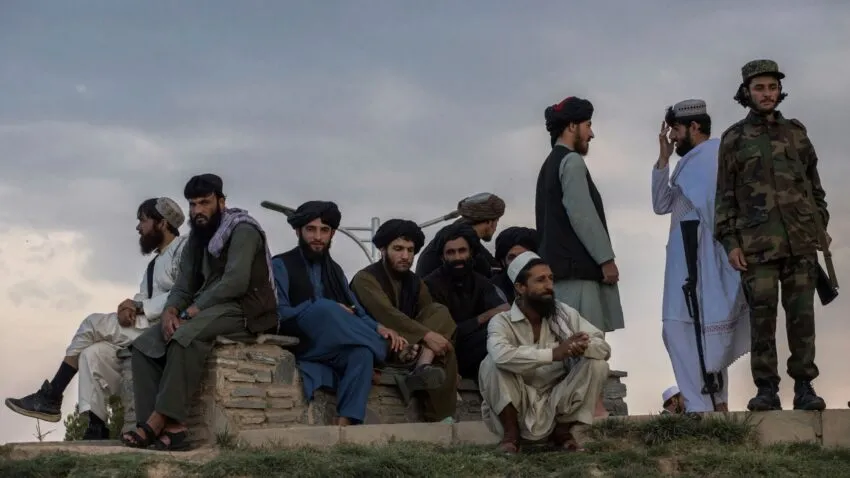
Ethnic Imbalance and Governance Concerns
Afghanistan is a multi-ethnic society made up of Pashtuns, Tajiks, Hazaras, Uzbeks, Turkmens, Baloch, and Nuristanis. Estimates suggest Pashtuns comprise roughly 40–45 percent of the population, Tajiks 25–30 percent, Hazaras 9–15 percent, and Uzbeks and Turkmens around 10–13 percent combined.
Despite this diversity, questions continue to surround ethnic representation within the current administration led by the Taliban. Various analytical reports claim that key leadership bodies and the interim cabinet are dominated by members from one ethnic background, while representation of Tajiks, Uzbeks, and other minorities remains limited. The absence of women and minimal participation from the Hazara community have also drawn criticism from rights groups and observers.
Critics argue that in a country as diverse as Afghanistan, long-term stability requires inclusive governance. Without meaningful participation of all ethnic and religious groups in decision-making, feelings of political marginalization may deepen, potentially fueling further divisions.
Political Transition and the Path Forward
The current political landscape took shape following the 2020 Doha agreement between the United States and the Taliban, negotiated in part by U.S. envoy Zalmay Khalilzad. The agreement paved the way for the withdrawal of U.S. forces and ultimately led to the collapse of the previous republic in 2021.
Some analysts believe a limited continued international presence might have supported the former system, while others attribute the transition to internal political weaknesses and rapidly shifting ground realities.
Today, Afghanistan’s long-term peace and development depend on establishing a political structure that empowers all communities. Observers emphasize that inclusive dialogue, constitutional reform, and broader power-sharing arrangements could help strengthen internal stability and improve international acceptance. Without such reforms, ethnic and political fragmentation may continue to pose challenges for both Afghanistan and the wider region.