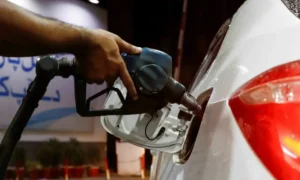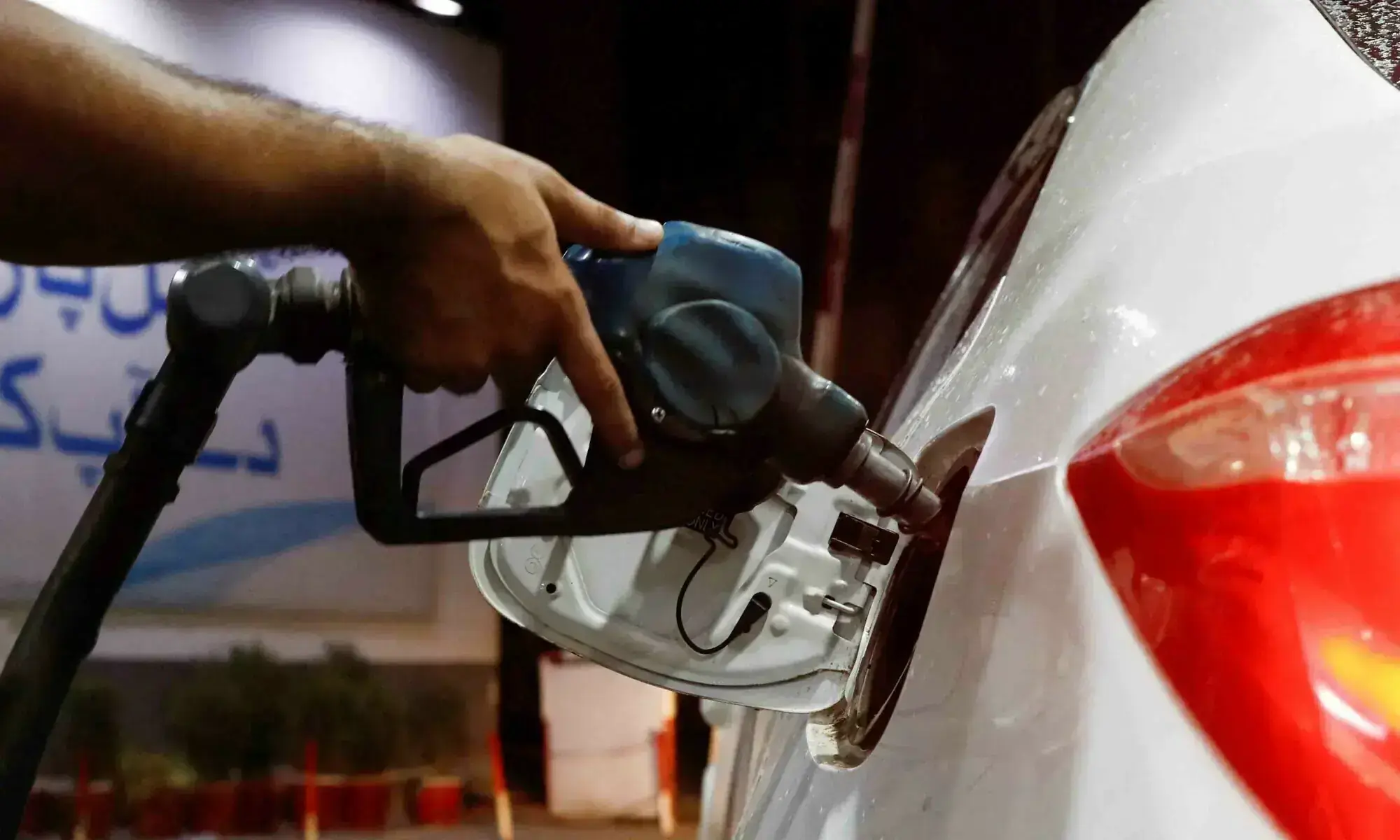
The Government of Pakistan has announced a major increase in fuel prices, sending shockwaves across the country. According to the latest notification, the price of petrol has been raised to Rs 321 per liter, while diesel has reached Rs 335 per liter. This significant hike of around Rs 55 per liter comes amid ongoing economic challenges and rising global oil prices.
Officials stated that the increase was unavoidable due to fluctuations in international oil markets and the depreciation of the Pakistani rupee against the US dollar. The announcement was made during a press briefing by government representatives, who emphasized that the adjustment reflects current global petroleum trends.
Impact on Public and Economy
The fuel price hike is expected to have a widespread impact on the daily lives of citizens. Higher petrol and diesel prices will likely increase transportation costs, which may lead to a rise in the prices of essential goods and services. Public transport fares could also go up, putting additional financial pressure on middle- and lower-income households.
Businesses and industries that depend heavily on fuel, such as logistics and agriculture, may face higher operational costs. Economists warn that this could further contribute to inflation, making everyday necessities more expensive for the general population.
Government Justification and Public Reaction
Government officials argue that the decision was necessary to stabilize the economy and meet international financial commitments. However, the announcement has triggered strong reactions from the public, with many expressing concerns about affordability and the rising cost of living.
Citizens and opposition leaders have called for relief measures to ease the burden on the public. As fuel prices continue to fluctuate, many hope the government will introduce policies to protect vulnerable groups from the economic impact.