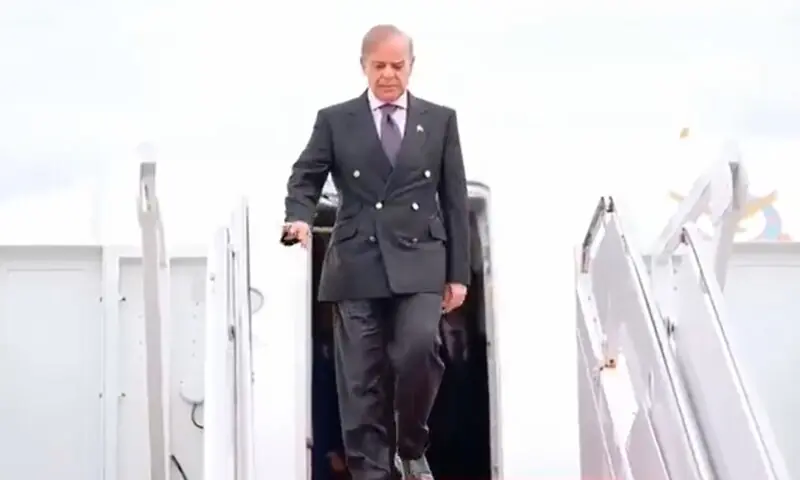
In global diplomacy protocol is never accidental it reflects hierarchy strategic value and political messaging. During the recent visit of Prime Minister Shehbaz Sharif to Washington DC the scale of reception and security arrangements conveyed a calibrated signal about Pakistan standing in contemporary geopolitics. Diplomatic observers note that such optics are carefully structured and rarely improvised.
A fifty vehicle motorcade received the prime minister at the tarmac supported by specialised security units medical response teams communication safeguards and aerial surveillance. Dedicated movement corridors were secured traffic was temporarily halted and his place of stay remained under comprehensive protection by United States authorities. These measures are typically extended to leaders of states regarded as strategically consequential within the broader security and economic architecture.
Strategic weight beyond ceremony
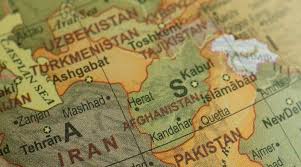
The arrangements were not merely ceremonial display. They coincided with discussions centred on regional stability counterterrorism cooperation economic connectivity and evolving global alignments. Pakistan geographic centrality bridging South Asia Central Asia and the Middle East continues to shape strategic calculations in Washington and beyond. Engagement at this level suggests acknowledgement of Pakistan relevance in managing post conflict transitions and maintaining balance amid great power competition.
Re emergence on the diplomatic centre stage
For years Pakistan importance was articulated in policy documents and security dialogues. The recent reception however translated strategic recognition into visible diplomatic conduct. Analysts suggest that sustained engagement institutional coordination and calibrated foreign policy outreach have reinforced Islamabad credibility at a sensitive global juncture.
The visit therefore symbolised more than bilateral courtesy. It reflected a moment where Pakistan voice is positioned within consequential international conversations not at the margins but as an active stakeholder in shaping regional and global outcomes.