The diplomatic stalemate between Pakistan and Afghanistan intensified in late 2025, with cross-border terrorism and trade blockades defining the relationship. Various regional actors have attempted to bridge the divide. Recent events suggest that Saudi mediation may be the only viable path forward. The failure of previous diplomatic tracks led by Turkey and Qatar highlights a structural problem: perceived bias.
Ankara is viewed as too close to Islamabad, while Doha is seen as too sympathetic to the Taliban’s Islamic Emirate. In this polarized environment, Riyadh has emerged as a heavyweight contender capable of exerting the necessary leverage on both sides.
The Limitations of the Turkish and Qatari Tracks
The diplomatic landscape prior to December 2025 was dominated by the “Turkey-Qatar” initiative. However, structural biases have hampered its effectiveness. Turkey, a NATO member and a long-standing military ally of Pakistan, struggles to project true neutrality in the eyes of the Afghan interim government.
The deep defense ties between Ankara and Islamabad, exemplified by cooperation on drone technology and military training. It creates an impression in Kabul that Turkey represents Pakistan’s interests at the negotiating table. Consequently, the Taliban leadership has often viewed Turkish involvement with skepticism. It has been seen as an extension of Islamabad’s pressure tactics rather than an honest broker.
Conversely, Qatar’s role has been viewed with suspicion in Pakistan. For over a decade, Doha hosted the Taliban’s political office. This provided the group with international legitimacy and a diplomatic platform long before they recaptured Kabul. From the perspective of Pakistan’s security establishment, Qatar’s “soft” approach and historical facilitation of the Taliban make it an ineffective pressure point for resolving hard security issues like the Tehrik-i-Taliban Pakistan (TTP) threat.
Islamabad often feels that Qatar lacks the desire, or perhaps the leverage, to force the Taliban into making difficult concessions regarding cross-border militancy.
The Unique Leverage of Saudi Mediation
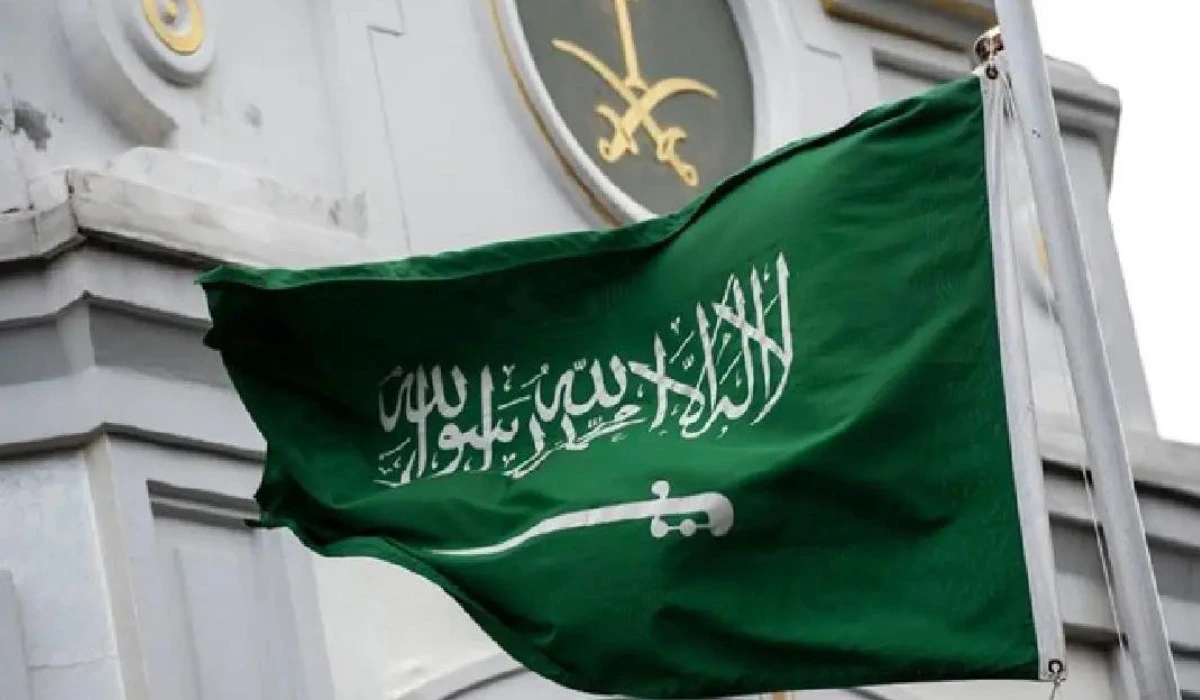
This deadlock paved the way for the recent, high-stakes intervention by Riyadh. Saudi mediation brings a unique set of assets that neither Turkey nor Qatar possesses: religious legitimacy and economic coercion. As the custodian of the Two Holy Mosques, Saudi Arabia commands a religious authority that the Taliban cannot easily dismiss. Unlike Western-backed mediators, a request from Riyadh carries theological weight. Because it is making it harder for the Taliban’s ideologues to reject proposals without alienating their own religious base.
Furthermore, Saudi mediation is backed by the promise of substantial economic relief or the threat of its withdrawal. Both Pakistan and Afghanistan are in dire need of financial stability. Pakistan’s economy relies heavily on Saudi oil deferment facilities and deposits. Afghanistan is desperate for humanitarian aid and investment to stave off collapse.
This dual leverage allows Riyadh to play “bad cop” effectively. For instance, during the December 2025 talks in Riyadh, Saudi mediation was not merely passive facilitation. Reports indicated Saudi officials actively pressed Pakistan to resume bilateral trade to build confidence, demonstrating their ability to ask for concessions from their traditional ally, Islamabad.
Why Riyadh Can Succeed Where Others Failed
The failure of the “Turkey-Qatar” track was largely due to the inability of either party to trust the other’s patron. Saudi mediation solves this by acting as a patron to both. Historically, Saudi Arabia was one of the only three countries to recognize the previous Taliban regime in the 1990s, establishing deep-rooted ties. Simultaneously, the Kingdom has been Pakistan’s “all-weather friend” for decades.
This position allows Saudi mediation efforts to navigate the security anxieties of the Pakistani military. Simultaneously addressing the political isolation of the Afghan Taliban.
Moreover, the recent involvement of Saudi Arabia signals a shift in the Kingdom’s foreign policy, moving from passive funding to active diplomatic assertion. The December talks were a test of this new proactive Saudi mediation strategy. By hosting delegations from both Kabul and Islamabad, Riyadh signaled that it is willing to expend its own political capital to stabilize the region. Unlike Turkey, which carries the baggage of NATO membership, or Qatar, which is viewed as a “messenger” for the West, Saudi mediation is seen as an indigenous Islamic solution to an intra-Islamic conflict.
Conclusion
As the security situation along the Durand Line remains volatile, the need for a truly effective mediator is urgent. Saudi mediation offers the best hope for a breakthrough because it addresses the core deficit of trust that plagued the Turkish and Qatari initiatives.
By leveraging its unique religious status and economic power, Riyadh can force both Islamabad and Kabul to make the painful compromises necessary for peace. While the path ahead is fraught with challenges, the continued engagement of Saudi mediation remains the most promising avenue for stabilizing South Asia.