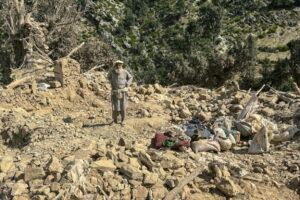
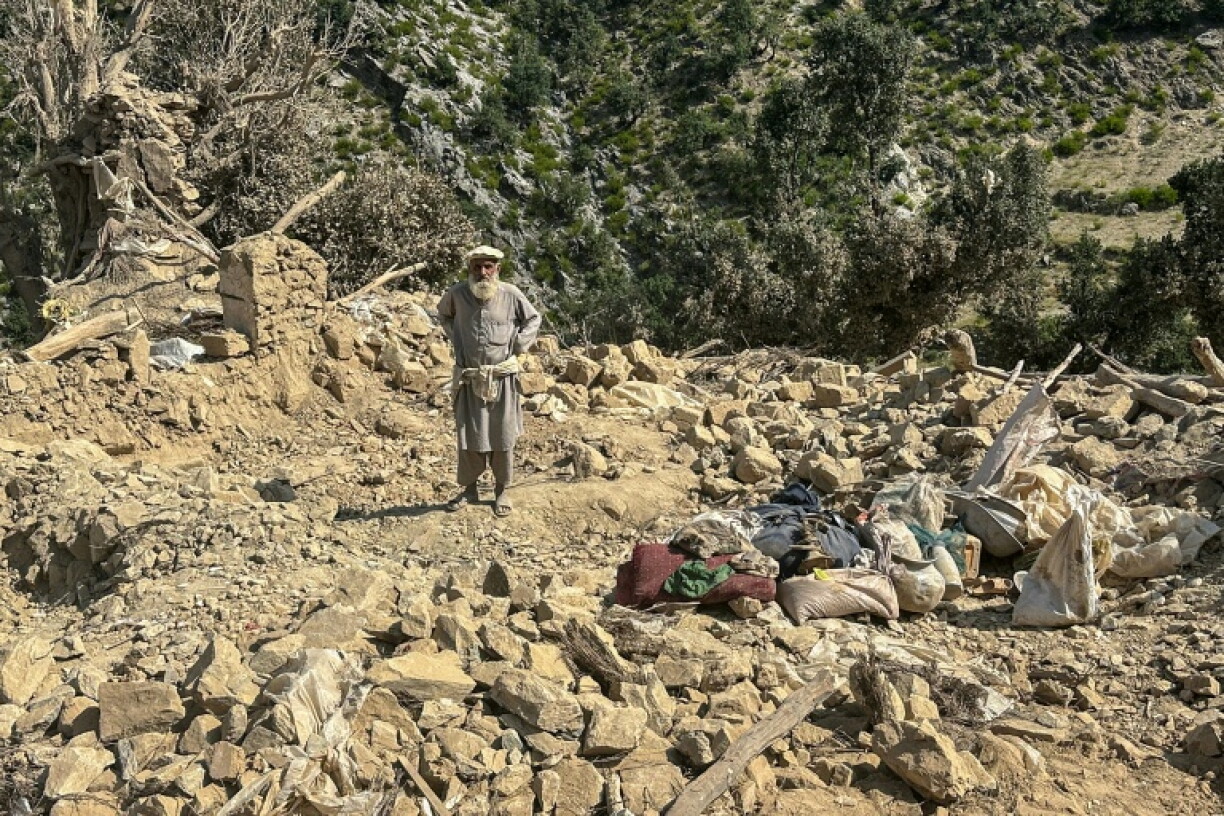
Pakistan’s strike on a compound in Garmser district, Helmand, in the early hours of October 1 marks another grim chapter in an increasingly strained relationship with Kabul. According to Pakistani security sources, the compound housed the media operations centre of the Balochistan Liberation Army (BLA). Nine militants were killed, among them four commanders said to run the group’s propaganda machinery. The same sources say the compound belonged to a Taliban Border Force commander in Nimroz, described as a facilitator of the BLA in Helmand and Nimroz. Civilians are also reported to have died, as the militants allegedly used their families as shields. These details come from official statements and have not been independently verified. Any civilian loss of life deserves transparent scrutiny, and it should not be lost in the rhetoric on either side.
The BLA is not a contested label. It was banned by Pakistan in 2006, and the UK proscribed it the same year. The US designated it a Specially Designated Global Terrorist entity in 2019, and in August 2025 the State Department added the BLA and its suicide wing, the Majeed Brigade, to its list of Foreign Terrorist Organisations. In other words, an organisation blacklisted by Islamabad, London and Washington is alleged to have run a media operation from the home of a serving Taliban commander. Kabul owes an explanation.
That question matters because of what a media cell does. Such a unit recruits, radicalises and claims credit for attacks. The BLA’s record includes the Jaffar Express attack, the Quetta railway station bombing and repeated assaults on civilians and security personnel in Balochistan. Its propaganda has fed an ecosystem of violence, and the Taliban cannot claim neutrality while it operates on territory they control.
It would be unfair to portray this strike as Pakistan’s first resort. Islamabad has pursued diplomacy through most of the past two years. After the clashes of October 2025, Pakistan accepted a ceasefire brokered in Doha with Qatari and Turkish mediation. It then participated in several rounds of talks in Istanbul. Its delegation reportedly presented photographs, identification documents and other material to show that TTP and BLA leaders live and operate in Afghanistan. Its central demand never changed: a written, verifiable commitment that Afghan soil will not be used against Pakistan. Reports from the negotiating rooms suggest Kabul privately acknowledged the TTP problem, while insisting in public that terrorism is Pakistan’s internal affair. That contradiction has been the sticking point.
International reporting lends weight to Islamabad’s concerns. A UN monitoring report found that the TTP receives substantial logistical and operational support from the de facto authorities. The UN Security Council has flagged the deepening BLA-TTP alliance as a serious regional threat. In August this year, Pakistan and the US reaffirmed their joint resolve against the TTP, Daesh and the BLA at a counterterrorism dialogue in Washington. Pakistan has also long alleged that India sponsors the BLA, which it calls Fitna al-Hindustan, through Afghan territory. Delhi rejects the charge, but Islamabad’s concern is that Kabul is neither addressing it nor distancing itself from it.
Nor is this approach new. In December 2024, Pakistani aircraft struck TTP camps in Paktika’s Barmal district. Reports at the time named the TTP’s media arm, Umar Media, among the targets. Then as now, Pakistan went after the structures that plan and glorify attacks, not just the men who carry them out.
Force alone will not settle this, and Pakistan’s own officials know it. Cross-border strikes carry real risks, from civilian harm to a spiral of retaliation along an already volatile frontier. The way out is not further escalation but a revived and credible process. The monitoring and verification mechanism discussed in Istanbul should be restored, with Qatar and Türkiye as guarantors and with the support of China, Iran and Central Asia, all of whom have a stake in a stable Afghanistan.
The onus lies with Kabul. It must act against the BLA and TTP infrastructure on its soil, expel their leaderships and hold to account any officials who shelter them. Until it does, Pakistan will keep defending its citizens, and the region will keep paying the price of Afghan inaction.