Skip to content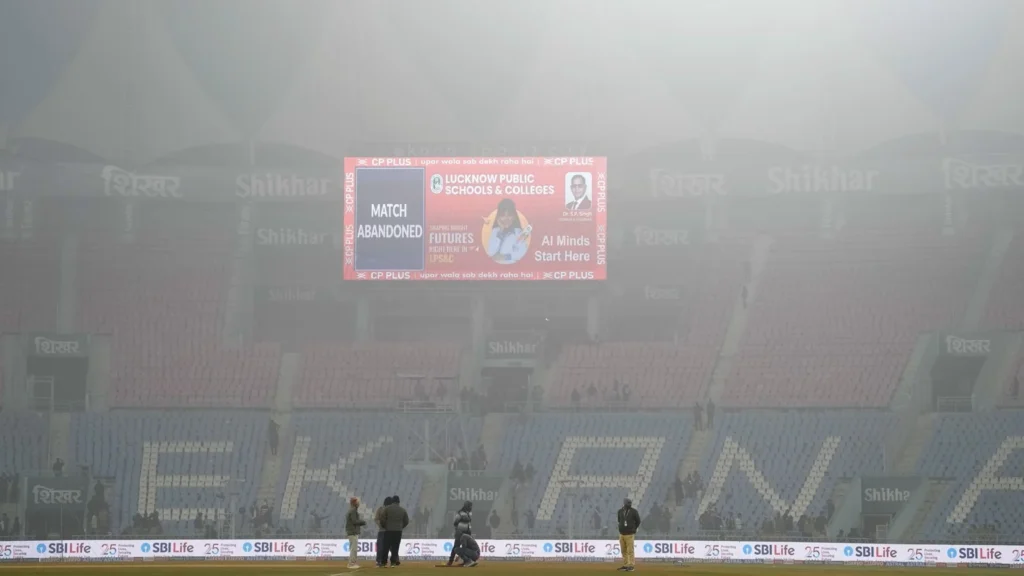
Reports of poor hygiene practices, escalating air pollution, and potential Nipah virus exposure have raised serious questions about India’s readiness to host matches of the ICC Men’s T20 World Cup 2026. Videos and eyewitness accounts circulating online show drink leftovers being collected and poured into soft drink bottles for resale to spectators, prompting widespread criticism and alarm over basic sanitation at major sporting venues.
Health and Viral Threats Intensify Concerns
Health concerns have intensified with reports from eastern India suggesting a possible underreporting of Nipah virus cases. While authorities officially acknowledge only two infections in West Bengal since December 2025, independent media reports indicate at least five cases detected in Kolkata hospitals, including hospital-acquired infections among healthcare staff. Medical experts highlight Nipah’s high fatality rate, approaching 75 percent, making even limited exposure a serious public health threat.
Adding to these risks is India’s deteriorating air quality. During a recent Ranji Trophy match, domestic players were seen wearing protective masks in Mumbai, where the Air Quality Index reached 160, considered unhealthy for prolonged outdoor activity. Analysts note that continuing World Cup matches amid unresolved hygiene, pollution, and viral risks may prioritize commercial optics over public safety.
Calls are growing for the International Cricket Council to consider relocating matches to Sri Lanka, emphasizing that robust health and safety safeguards must precede the spectacle of international sport.