The geopolitical architecture of South Asia and the Gulf has undergone a fundamental and irreversible fracturing in the opening quarter of 2026. This period, defined by a transition from managed friction to unconstrained kinetic reality, has witnessed the total disintegration of long-standing security protocols and the emergence of a multi-front conflict involving state and non-state actors alike. The pivotal moment arrived on February 20, 2026, when simmering tensions along the Pak-Afghan border transformed into open war between Pakistan and Afghanistan. This escalation coincided with a catastrophic upheaval in the Gulf following coordinated United States and Israeli strikes against the Islamic Republic of Iran. These two theaters, while geographically distinct, have become strategically intertwined through competing external interests.
The strategic turmoil of 2026 represents the definitive failure of the post-2021 regional order, where the governance vacuum in Kabul, evolved into a sanctuary for armed insurgents such as the Tehrik-e-Taliban Pakistan (TTP). Simultaneously, the assassination of Iranian Supreme Leader Ayatollah Ali Khamenei on February 28 created a leadership vacuum in Tehran, triggering retaliatory strikes that paralyzed global energy arteries and disrupted Gulf commercial stability.
War on the Pak-Afghan border: From Managed Friction to Open Confrontation
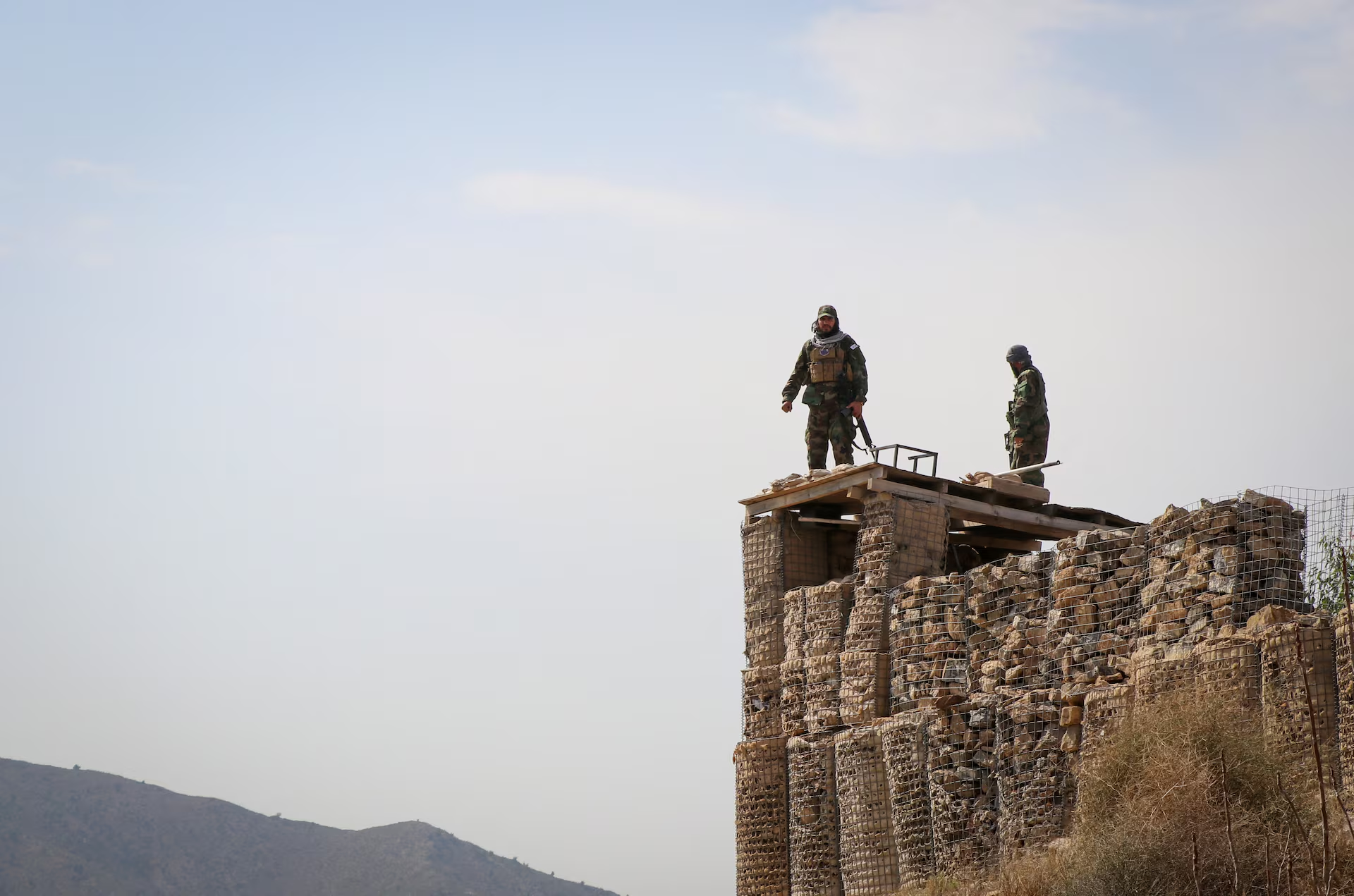
The Pakistan-Afghanistan conflict reflects the terminal unraveling of bilateral security protocols painstakingly constructed after 2021. Islamabad’s campaign, Operation Ghazib Lil-Haq, marked a decisive shift from reactive counterterror operations to cross-border force projection aimed at dismantling militant sanctuaries embedded within Afghan territory. Strategic strikes across Kabul, Kandahar, Laghman, and Paktia targeted command nodes linked to the Tehrik-e-Taliban Pakistan (TTP) and allied formations.
Afghan Taliban forces demonstrated enhanced tactical sophistication, deploying weaponized drones deep into Pakistani territory and striking military installations in Nowshehra, Abbottabad, and Swabi.
The conflict’s implications extend beyond territorial contestation. The China-Pakistan Economic Corridor (CPEC), a linchpin of regional connectivity, faces mounting vulnerability amid persistent cross-border hostilities. Militant networks exploit porous terrain, while drone warfare introduces a psychological dimension that amplifies strategic volatility.
Proxy Networks and External Leverage: Strategic Competition in Afghan Space
Afghanistan’s fragile governance ecosystem has evolved into an arena for regional competition. Pakistani security assessments report that Indian and Israeli channels that Indian and Israeli channels have cultivated proxy leverage within Afghan territory, facilitating intelligence coordination and financial support mechanisms that compound Islamabad’s internal security pressures.
Whether viewed through the prism of strategic rivalry or balance-of-power maneuvering, the operationalization of Afghan space for indirect confrontation has accelerated escalation dynamics. External sponsorship, combined with local militant autonomy, has created a conflict environment resistant to conventional de-escalation pathways.
The theoretical framework advanced by Jonah Lo, Ng Kang Jie, and Hannah Lo in Reconstructing the Ladder: Towards a More Considered Model of Escalation offers a sobering lens. Geography, capability expansion, prestige-driven rhetoric, and entrenched behavioral patterns converge to propel crises upward along the escalation ladder. South Asia’s porous borders, rapid diffusion of drone technologies, and symbolic politics have intensified each of these variables.
Gulf Shockwaves and the Fragmentation of Regional Order
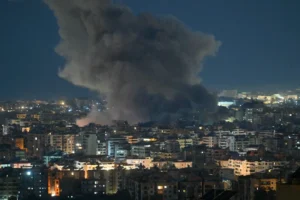
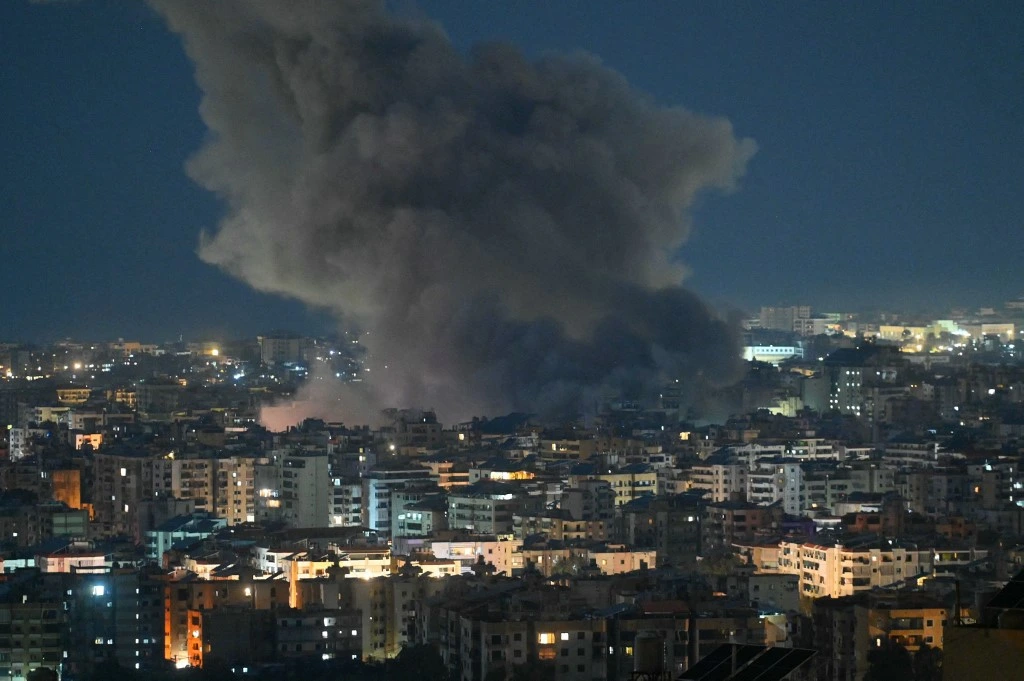
The assassination of Iran’s Supreme Leader, Ayatollah Ali Khamenei, during coordinated U.S.–Israeli strikes on February 28 detonated a second front of instability. Targets in Tehran, Isfahan, and Minab sustained extensive damage, while civilian casualties deepened humanitarian anxieties. Tehran’s retaliatory ballistic and drone salvos against American and Israeli assets across Qatar, the UAE, Bahrain, Kuwait, Saudi Arabia, Iraq, and Jordan transformed the Gulf into an active theater of high-intensity exchange.
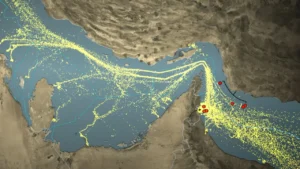
Energy corridors, commercial shipping lanes, and financial markets absorbed immediate shockwaves. The decapitation of Iran’s leadership structure introduced uncertainty into succession dynamics, while the Islamic Revolutionary Guard Corps signaled a protracted campaign posture.
The simultaneity of conflict across South Asia and the Gulf underscores the disintegration of compartmentalized security paradigms. Proxy warfare in Afghanistan intersects with Gulf escalation through shared alliances, intelligence linkages, and technological proliferation. The result is a fused battlespace stretching from the Hindu Kush to the Strait of Hormuz.
Conclusion:
The strategic rupture of 2026 continues to unfold along two volatile axes: Tehran’s recalibration after decapitation strikes and Islamabad’s insistence on cross-border accountability. Iran’s Islamic Revolutionary Guard Corps has pledged a “devastating” response. Washington, in turn, has warned of overwhelming force in response to further aggression, intensifying the risk of spiraling confrontation.
Inside Iran, the formation of a provisional leadership council during the forty-day mourning period for Ayatollah Ali Khamenei reflects institutional continuity rather than imminent collapse. Structural resilience within the Iranian state apparatus suggests that total systemic failure remains improbable, even amid factional maneuvering and episodic protest.
For Pakistan, the strategic calculus centers on a singular imperative: the elimination of militant sanctuaries operating from Afghan territory. Islamabad’s position has hardened around the principle that cross-border insurgent networks constitute a direct violation of sovereignty and a sustained threat to internal stability. The expectation conveyed through diplomatic and military channels is unequivocal: Kabul must dismantle operational havens used by Tehrik-e-Taliban Pakistan and affiliated formations or face continued coercive measures. Responsibility for preventing Afghan soil from serving as a launchpad for violence now defines the baseline of bilateral engagement.