Climate Volatility and Structural Vulnerability
The intensifying convergence between climate volatility and geopolitical rivalry has transformed the Indus Basin into one of South Asia’s most consequential strategic theatres. Climate change represents a structural determinant of national resilience, economic continuity, and interstate equilibrium. In Pakistan, agrarian livelihoods, demographic expansion, and fiscal fragility intersect with transboundary hydropolitics, generating a landscape where ecological disruption magnifies strategic exposure. The country contributes minimally to cumulative global emissions, yet endures recurrent floods, prolonged droughts, glacial retreat, and accelerating heat extremes that reverberate across food systems and social cohesion.
The Climate Security Nexus offers a compelling analytical foundation for understanding this trajectory. Environmental shocks intensify pre existing structural pressures rather than operate in isolation. Nearly forty percent of Pakistan’s labor force depends upon agriculture, while the Indus irrigation system sustains close to a quarter of national output. When monsoon variability or upstream flow manipulation disrupts planting cycles, repercussions cascade through rural indebtedness, commodity inflation, and internal migration. Climate volatility thereby transcends meteorology and assumes macroeconomic and strategic significance.
Floods, Droughts, and Cryosphere Transformation
Historic disasters illuminate the magnitude of climatic exposure. The 2010 floods displaced approximately twenty million citizens and inflicted economic losses approaching ten billion dollars. The 2022 superflood submerged vast tracts of Sindh and southern Punjab, affecting thirty three million people and causing damage exceeding thirty billion dollars. Scientific attribution increasingly associates such extreme rainfall with global warming, suggesting that hydrological instability will persist with mounting intensity. Recurrent drought across Sindh and southern Punjab has depleted groundwater reserves, while intensifying heatwaves accelerate glacial melt in the northern highlands.
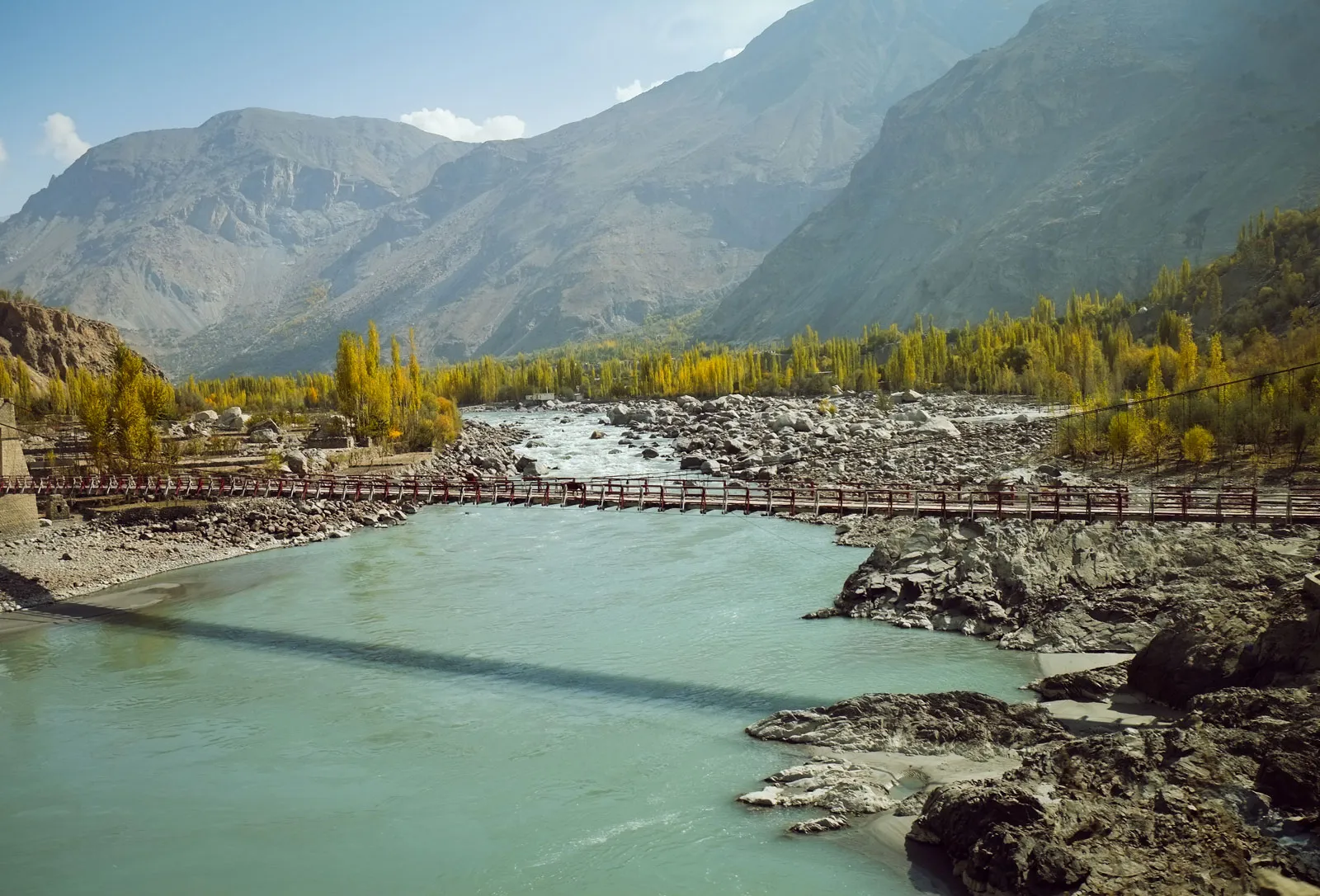
Pakistan’s cryosphere, feeding the Indus system, faces long term volumetric decline under high emission trajectories. Initially, accelerated melt augments summer flows and heightens flood probability. Subsequently, diminished glacial mass threatens seasonal water reliability for more than two hundred million people downstream. Glacial lake outburst floods already endanger mountain communities in Gilgit Baltistan and Chitral, where fragile infrastructure sustains repeated damage. Sea level rise compounds terrestrial vulnerabilities along Sindh’s coastline and the Indus Delta, where saline intrusion erodes agricultural productivity and unsettles fishing livelihoods.
The Indus Waters Treaty and Strategic Asymmetry
The Indus Waters Treaty, brokered by the World Bank in 1960, allocated the western rivers to Pakistan and the eastern rivers to India. Although frequently cited as a durable diplomatic instrument, the treaty embedded structural asymmetries rooted in upstream geography. India’s control over headwaters has enabled infrastructural expansion that influences the timing, sediment management, and regulation of downstream flows. Over successive decades, hydroelectric projects on the western rivers have generated sustained legal contestation regarding design parameters that affect storage and discharge patterns.
Upstream dam construction has introduced persistent uncertainty into Pakistan’s agricultural planning. Even marginal adjustments in release schedules disrupt sowing cycles in Punjab and Sindh, where canal irrigation depends upon seasonal predictability. Periodic rhetoric in New Delhi concerning review of treaty commitments has intensified strategic apprehension within Pakistan, where water security aligns directly with food sovereignty and national stability. Temporary suspension of hydrological data sharing has further heightened downstream exposure during flood forecasting seasons. Cumulatively, infrastructural expansion upstream has enhanced Indian regulatory leverage over a basin already stressed by climatic acceleration.
Domestic Hydro Politics and Agrarian Strain
Internal water distribution under the 1991 Water Apportionment Accord operates within this transboundary environment. Declining and erratic flows render historical allocation baselines increasingly misaligned with present realities. Provincial debates over canal releases unfold against a backdrop of upstream uncertainty, amplifying perceptions of inequity and reinforcing mistrust. When river timing shifts coincide with peak cultivation periods, tensions intensify across agrarian districts.
Agriculture consumes over ninety percent of national water withdrawals. Wheat, rice, sugarcane, and cotton production depend upon synchronized river discharge and canal rotation schedules. Unanticipated surges or shortages undermine yield stability, depress export earnings, and intensify rural indebtedness. Groundwater extraction has accelerated as farmers attempt to buffer canal unpredictability, resulting in aquifer depletion across central Punjab. Declining water tables elevate production costs and degrade soil fertility, perpetuating a cycle of diminishing returns under climatic stress.
Urban Pressures and Human Security
Urban centers increasingly absorb the human consequences of rural environmental distress. Karachi, Lahore, and Rawalpindi confront expanding populations as climate displaced families seek alternative livelihoods. Informal settlements proliferate along peri urban margins, where limited access to potable water, sanitation, and electricity strains municipal capacity. Heat island effects compound vulnerability during prolonged summer extremes exceeding forty five degrees Celsius. Displacement disrupts schooling patterns and constrains human capital development, reinforcing cycles of poverty within already fragile communities.
Health infrastructure periodically damaged during major floods struggles to accommodate rising demand amid fiscal constraints. Women and children endure disproportionate hardship during climate emergencies, particularly when safe water and medical access remain constrained. Environmental fragility thus permeates household stability, economic productivity, and demographic cohesion.
Strategic Outlook and National Resilience
The Indus Basin stands at a decisive historical juncture shaped by climatic acceleration and expanding upstream infrastructural control. Glacier retreat, erratic monsoons, and sea level rise intensify hydrological volatility, while Indian regulatory discretion over shared rivers enhances strategic imbalance. This convergence situates water governance at the center of Pakistan’s national security architecture.
Sustainable stability requires a dual trajectory grounded in principled defense of treaty rights and robust domestic adaptation. Expansion of storage capacity, modernization of irrigation networks, diversification of cropping patterns, and investment in glacier monitoring can mitigate structural exposure. Diplomatic engagement must emphasize treaty sanctity, transparent data exchange, and equitable interpretation of design constraints to safeguard downstream interests.