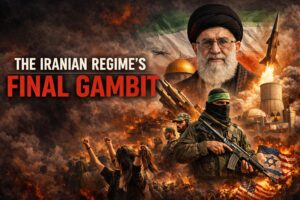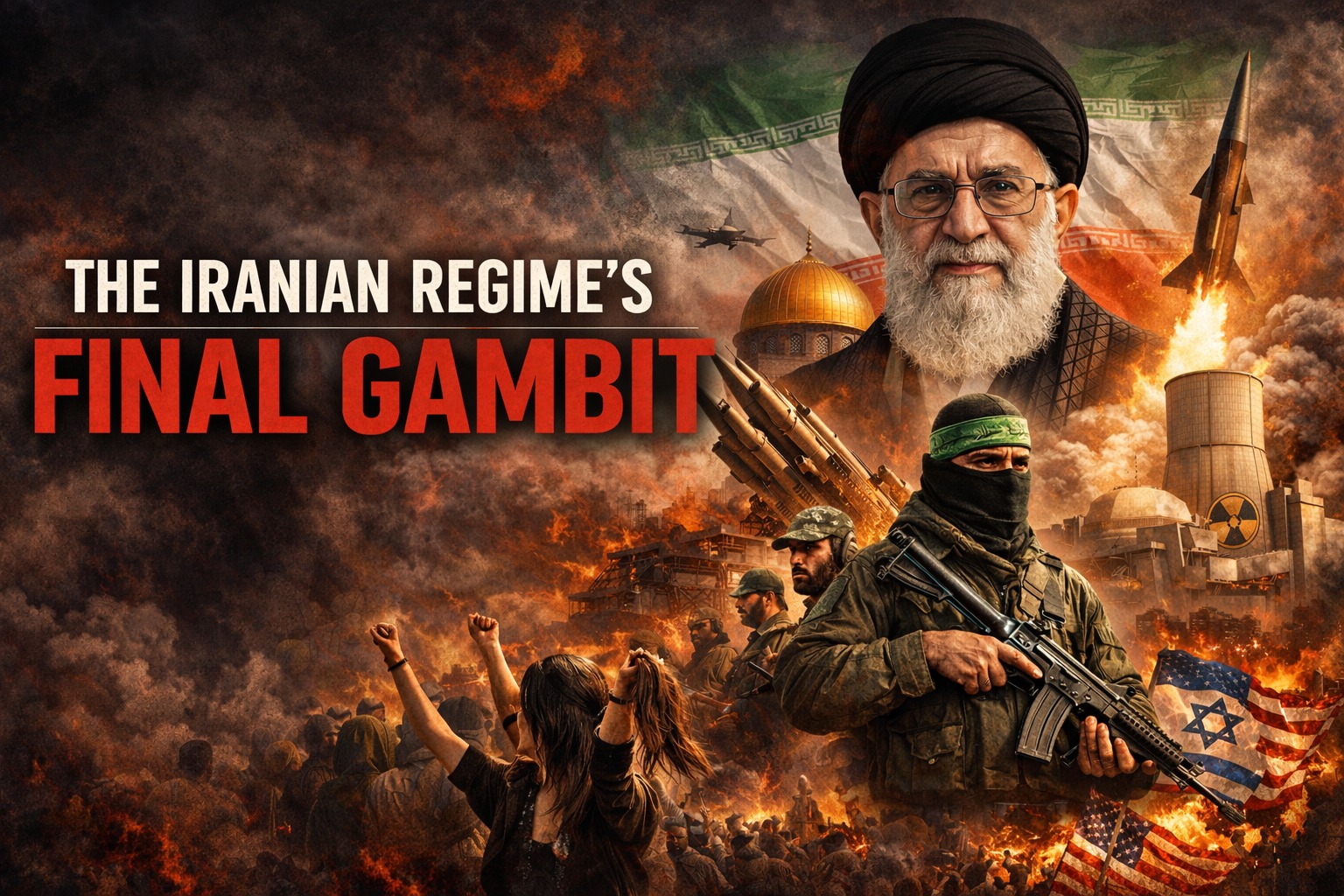
The recent escalation between Iran and Israel, unfolding under the guise of failed diplomatic maneuvers, has once again exposed the fragile security architecture of the Middle East. This current confrontation appears to be a systemic “replay” of the June 2025 kinetic frictions, where Tehran suffered significant losses in human capital, specifically among its nuclear scientists and high-ranking military commanders. The speed and precision of the latest strikes, resulting in the reported neutralization of nearly 50 senior military figures including the supreme leadership within a 48-hour window, signals a profound shift in the regional balance of power and intelligence dominance.
The Intelligence Deficit and Structural Vulnerabilities
The current crisis highlights two existential vulnerabilities within the Iranian regime: a compromised internal security apparatus and a widening gap in conventional aerial capabilities. The purported speed with which sensitive data including visual verification of high-value targets reached Israeli decision-makers suggests that the Mossad’s penetration into Iranian military and political circles has reached a critical, perhaps irreversible, threshold. Prime Minister Netanyahu’s assertive rhetoric regarding the reach of Israeli operations reflects a strategic confidence rooted in this intelligence superiority.
Furthermore, Iran’s reliance on asymmetric warfare and “proxy” slogans has met its limit against a technologically superior adversary. The geographical distance between the combatants necessitates a robust air force and sophisticated missile defense areas where Tehran remains significantly disadvantaged. The destruction of naval assets and the bombardment of urban centers across Iran underscore the consequences of failing to modernize conventional defenses while over-investing in regional political influence.
The “Regime Change” Fallacy and Regional Alignment
Despite the severity of the current strikes, the prospect of total “regime change” remains a complex geopolitical variable. Historically, and perhaps cynically, the preservation of a revolutionary regime in Tehran has served as a strategic lever for Washington to maintain its security partnerships with Gulf monarchies. A transition to a moderate or hybrid administration; potentially involving figures like Reza Pahlavi would only be viable if it guaranteed the absolute security of U.S. and Israeli interests.
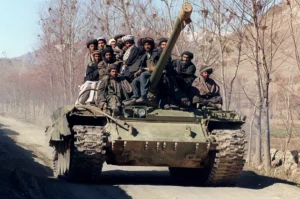
For the Iranian regime, survival now hinges on a “war of attrition” strategy. By extending the timeline of the conflict and intermittently targeting Israeli assets, Tehran may seek to avoid a total collapse while forcing the U.S. and Israel into a costly, protracted engagement. This mirrors the “patient struggle” model seen in other regional contexts, though the lack of a shared land border makes an Afghan-style insurgency nearly impossible to replicate against Israel.
The Risks of Social Fragmentation and Propaganda
A disturbing byproduct of this conflict is the weaponization of information within third-party states, particularly Pakistan. There is a concerted effort by specific lobbies to exploit religious sentiments and fuel sectarian divides (Shiite-Sunni) by propagating anti-Arab narratives. These efforts to drag neutral states into the fray under the guise of religious solidarity pose a direct threat to the national security of non-combatant Muslim nations.
The Iranian regime’s recent targeting of targets within Arab territories—resulting in civilian casualties has further isolated it from the broader Islamic world, drawing condemnation from Ankara and Islamabad alike. Such “strategic errors” only serve to deepen Tehran’s diplomatic isolation at a moment when it can least afford it.
This conflict serves as a sobering reminder of the adage: “They plot, and Allah plots; and Allah is the best of plotters.” For regional stakeholders, the primary lesson is the volatility of relying on external superpowers. Washington’s ultimate priority remains the existential security of Israel, often at the expense of its regional allies’ stability.
As the fog of war persists, the survival of the Iranian revolutionary framework remains its only path to a “symbolic victory.” However, unless Tehran can purge its intelligence ranks and address its conventional military deficit, it remains in its most precarious position since 1979. For neighboring states like Pakistan, the priority must remain internal cohesion and a refusal to let foreign conflicts dictate domestic stability.