Skip to content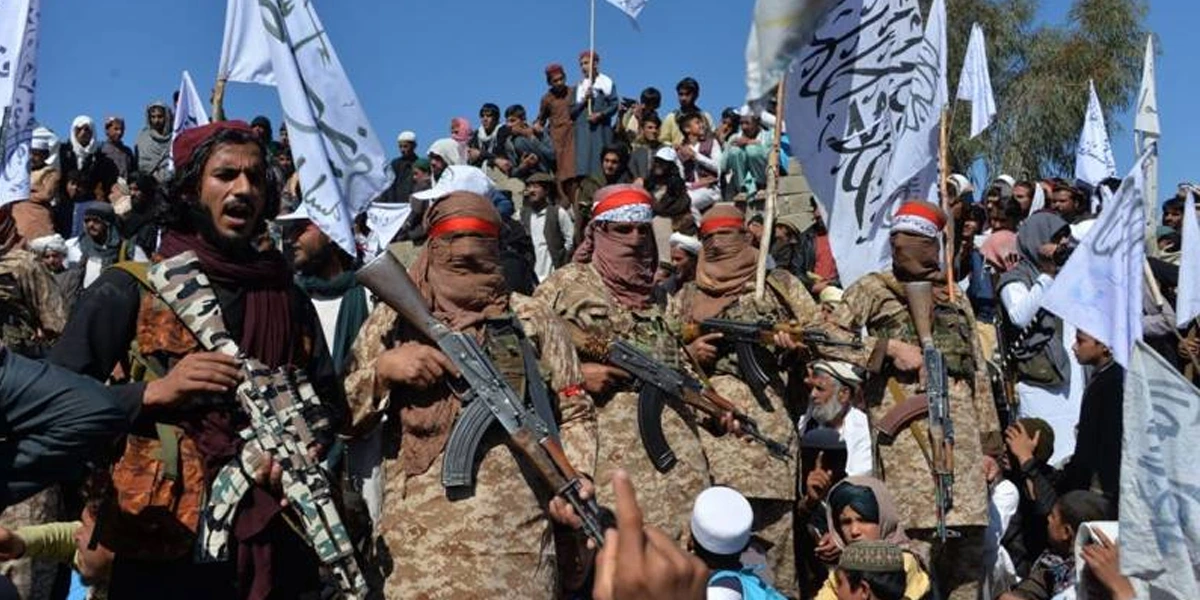
Tehrik-i-Taliban Pakistan (TTP), once regarded as a geographically confined insurgent movement rooted in Pakistan’s tribal belt, has recalibrated its operational architecture. The group now exhibits characteristics of a transnational militant enterprise, sustained through digital ecosystems, migration corridors, diaspora financing, and cross-border facilitation networks. At the center of this evolution lies an emerging recruitment pipeline stretching from Bangladesh to Pakistan’s conflict zones. The emergence of this corridor represents a structural shift in the geography of militancy across South Asia. The insurgency’s frontlines have expanded from the mountains of North Waziristan to the urban neighborhoods of Dhaka and the labor camps of Southeast Asia. This transformation demands urgent analytical clarity and coordinated regional response.
A Strategic Reorientation
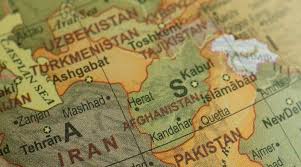
Formed in 2007 as an umbrella organization consolidating various militant factions in Pakistan’s Federally Administered Tribal Areas, the TTP originally focused on contesting the Pakistani state and enforcing its doctrinal interpretation of Sharia within localized territories. Its recruitment relied heavily upon tribal affiliations and kinship networks embedded in Khyber Pakhtunkhwa. The geopolitical rupture of 2021 altered this equation. The withdrawal of United States forces from Afghanistan and the return of the Afghan Taliban to power reinvigorated militant narratives across the region. For the TTP, the development served as ideological vindication and strategic opportunity. The group consolidated command structures, absorbed multiple factions, and adopted a centralized operational posture.
This organizational maturation coincided with an outward-looking recruitment doctrine. Rather than drawing exclusively from Pakistan’s tribal belt, the TTP began cultivating fighters beyond its traditional base. Bangladesh emerged as a particularly fertile recruitment environment, offering demographic scale, digital connectivity, and political volatility.
Bangladesh’s Fragile Moment
Bangladesh’s political upheaval in 2024 created a period of institutional turbulence that extremist networks swiftly exploited. The overthrow of the Awami League government generated disruptions within law enforcement structures. Police installations were attacked, weapons were looted, and prison escapes included militants affiliated with regional jihadist organizations. Such instability created an enabling environment. Dormant extremist actors resurfaced, ideological groups reassembled, and radical narratives found resonance among segments of a youthful population navigating political uncertainty. Counter-terrorism agencies, already burdened by reform pressures and internal restructuring, faced operational overstretch.
The TTP capitalized on these vulnerabilities with calculated precision. Rather than operating independently, it leveraged Bangladesh’s pre-existing militant ecosystems. Organizations with historical ideological alignment provided social anchorage and logistical facilitation. Through this layered approach, recruitment pathways gradually solidified.
Digital Radicalization as Infrastructure
Contemporary insurgency thrives within algorithmic ecosystems. Social media platforms, encrypted messaging applications, and video-sharing sites serve as conduits for ideological dissemination. Bengali-language propaganda framing the Pakistani insurgency as part of a broader global struggle circulates widely across digital networks. Algorithmic recommendation systems then amplify progressively radical material, guiding users toward echo chambers hosted on encrypted platforms such as Telegram and WhatsApp. Within these insulated spaces, ideological hardening accelerates. These productions cultivate grievance, glorify sacrifice, and delegitimize state institutions. The digital domain thus functions as recruitment incubator, replacing physical madrassa networks with virtual ideological corridors.
Intermediaries and Narrative Framing
Individuals operating within Bangladesh coordinate travel, provide theological justification, and facilitate communication with TTP handlers.Central to this narrative framing is the invocation of Ghazwatul Hind, an eschatological concept reinterpreted as contemporary obligation. Such framing dissolves geographical boundaries and fosters emotional mobilization among recruits who may possess minimal prior connection to Pakistan’s tribal conflict.
Labor Migration as Camouflage
The most insidious dimension of the corridor lies in its exploitation of labor-migration systems. Bangladesh’s economy relies heavily upon overseas employment, particularly in Gulf states. Recruiters manipulate this aspiration, presenting militant mobilization as legitimate foreign work. Young men from rural and peri-urban districts receive promises of employment in Dubai or Saudi Arabia. Families are assured that travel expenses will be repaid through future earnings. Recruits depart Bangladesh via high-traffic border crossings into India, blending seamlessly into legitimate cross-border flows.
Temporary stays in Indian cities precede onward travel to Gulf destinations, often under the guise of performing Umrah. From there, rerouting toward Afghanistan becomes feasible, where integration into TTP networks occurs before infiltration into Pakistan’s Khyber Pakhtunkhwa province.
Battlefield Presence
Security operations in Pakistan reveal tangible evidence of Bangladeshi nationals embedded within TTP combat formations. Engagements in North Waziristan and districts such as Karak have exposed the operational assimilation of foreign Their presence complicates intelligence operations, influx enhances the insurgency’s resilience.
Diaspora Extension in Southeast Asia
The corridor’s reach extends into the Bangladeshi diaspora in Southeast Asia, particularly Malaysia. Arrests of migrant workers engaged in extremist fundraising and propaganda dissemination illustrate the pipeline’s adaptability. Diaspora nodes provide three strategic advantages: financial support, ideological reinforcement, and potential future recruits. The insurgency thus evolves into a dispersed network embedded within global labor mobility.
State Responses and Structural Gaps
Bangladesh has enacted counter-terrorism reforms and increased security spending to limit extremist mobilization, while modernizing policing capacity. Pakistan has strengthened regional diplomacy and multilateral coordination, focusing on adapting to encrypted communications and drone threats. Enforcement alone faces limits. The TTP recruitment corridor spans digital platforms, migration routes, and diaspora networks beyond national borders, and bureaucratic fragmentation hinders coordinated disruption. Without unified intelligence sharing, regulation of recruitment channels, digital oversight, and socio-economic stabilization, militant networks retain strategic flexibility.
The Road Ahead
If consolidation of this corridor continues, Bangladesh risks entrenchment as a feeder environment for regional insurgencies, while the TTP secures a durable replenishment pipeline. Pakistan’s security calculus grows increasingly complex as foreign recruits augment insurgent ranks. The wider region confronts a model of militancy that is mobile, decentralised and digitally sustained. The front lines of South Asia’s conflict now extend beyond mountainous terrain into encrypted chat groups, migrant hostels and online forums. Confronting this evolving threat demands a strategy that addresses ideological appeal, financial conduits and logistical scaffolding alongside conventional security measures. Connectivity, rather than geography, defines the insurgent landscape of the present era.