Skip to content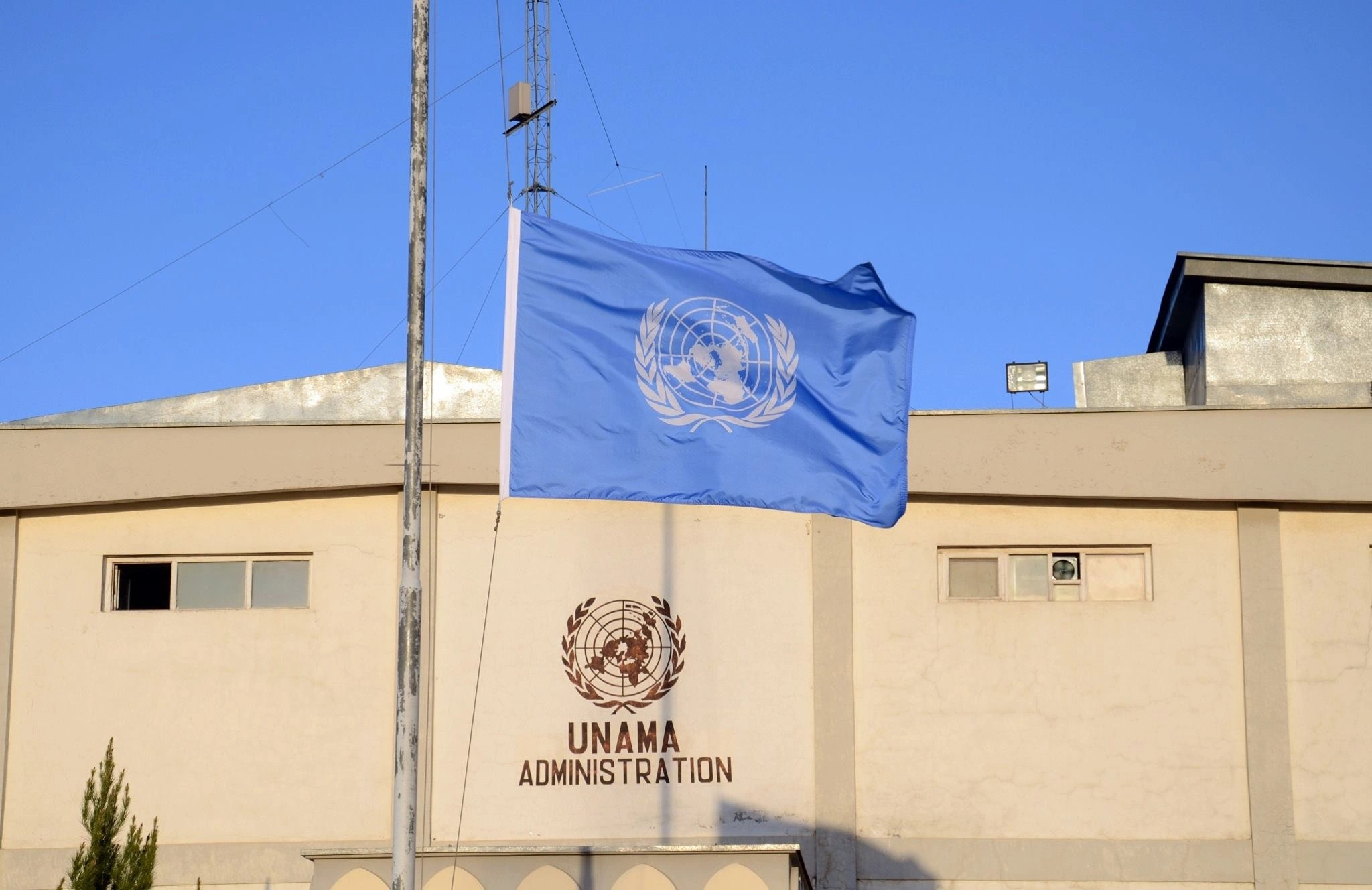
Public Punishments and Climate of Fear
The United Nations Assistance Mission in Afghanistan (UNAMA) has raised serious concerns over a sharp increase in public punishments carried out by the Taliban between October and December 2025. According to the report, at least 287 individuals, including women, were subjected to public flogging, while others received prison sentences of up to six years. UNAMA also documented public executions conducted in sports stadiums before large crowds.
Human rights observers note that such punishments are intended to instill fear and enforce social control rather than deliver justice. Public executions and corporal punishment, carried out in highly visible settings, signal a return to practices widely condemned under international human rights law. UNAMA stressed that these actions reflect a deliberate policy choice rather than isolated excesses by local officials.
The report further highlights concerns over due process, noting the absence of transparent legal proceedings, limited access to defense, and punishments imposed under vague moral and religious charges.
Systematic Restrictions on Women and Girls
UNAMA’s update places particular emphasis on the worsening situation of Afghan women and girls. Since September 2025, Taliban authorities have barred women, including UN staff, from entering UN offices nationwide, forcing them to work remotely. Women have also been excluded from medical graduation examinations, while the ban on higher education for women, in place since December 2022, remains unchanged.
In cities such as Herat, the Ministry for the Promotion of Virtue and Prevention of Vice has enforced mandatory burqa requirements. Women who fail to comply have reportedly been denied access to hospitals, markets, public transport, and government offices. UNAMA also documented restrictions on women traveling without a male guardian and their exclusion from public spaces.
Since returning to power in August 2021, the Taliban have steadily expanded controls on women’s lives, including closing beauty salons, limiting employment, and contributing to increased forced marriages and gender-based violence. Combined with restrictions on media and freedom of expression, UNAMA warns that Afghanistan’s human rights crisis is systemic and threatens the country’s social fabric and future stability.