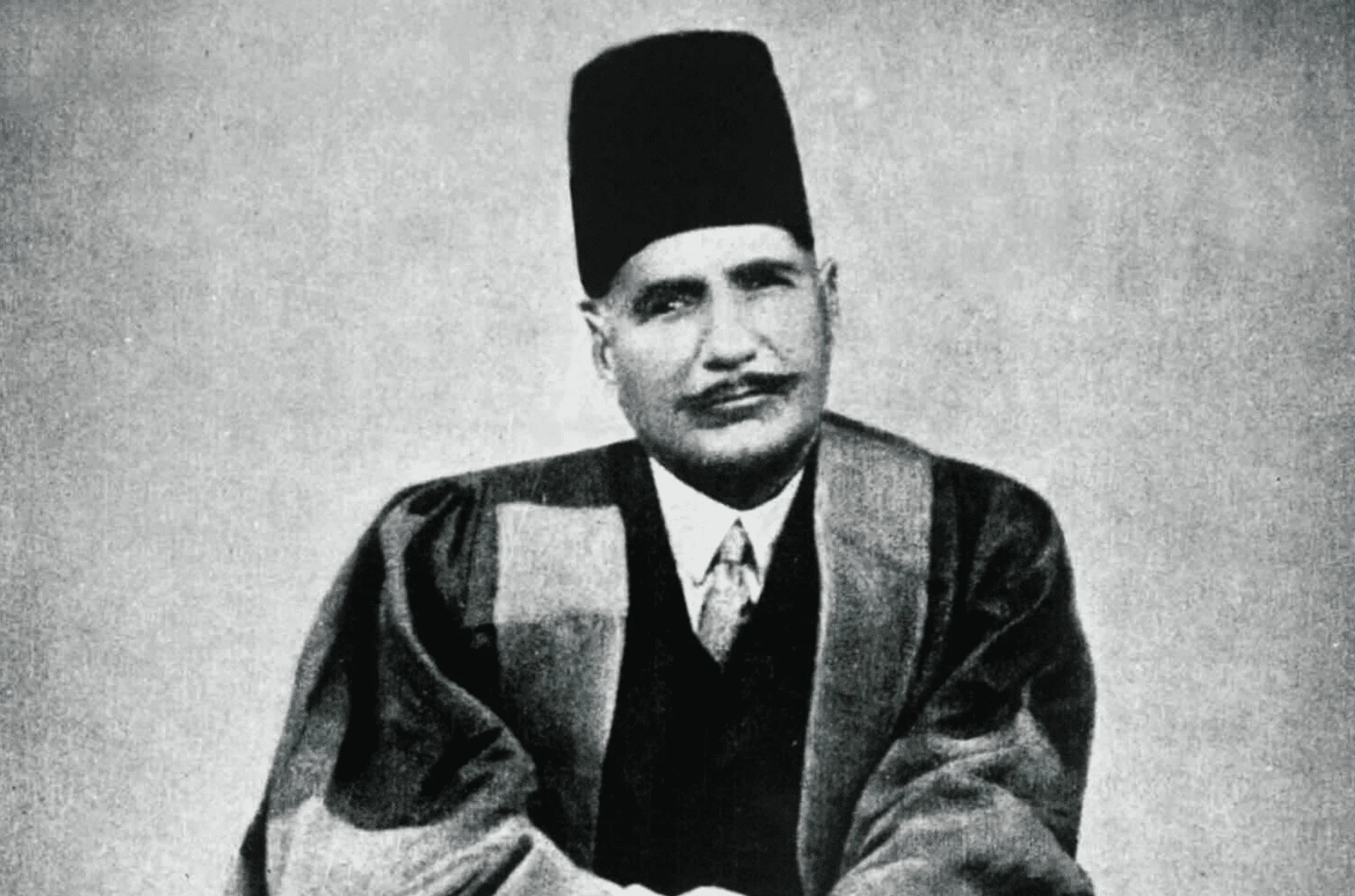
On Iqbal Day we pause to honour the poet-philosopher whose vision helped shape the moral and political imagination behind Pakistan. Allama Muhammad Iqbal’s poetry moved beyond aesthetic beauty; it was a clarion call for spiritual renewal, selfhood (khudi), moral courage, and political self-determination for Muslims of South Asia. Marking Iqbal Day invites us to assess how far the republic has travelled toward the ideals he articulated, and where his dreams remain unfulfilled.
Iqbal’s core aspirations
Iqbal’s central concerns were ethical agency and communal dignity. He urged individuals and nations to cultivate inner strength, critical thought, and creative action. Politically, his advocacy for a consolidated Muslim political identity aimed at securing social justice, educational uplift, and institutional autonomy. Economically and culturally, he imagined a society that combined spiritual depth with scientific temper, where governance served moral ends and human development.
Where Pakistan has progressed
There are tangible successes linked to Iqbal’s legacy. Pakistan achieved statehood and a distinct political voice; its people have built institutions, universities, armed forces, and a civil society that periodically renew civic life. There are pockets of innovation in education, health, and entrepreneurship. Cultural expressions, music, literature, film, continue to reflect Iqbal’s influence, reminding citizens of the spiritual and intellectual roots that animated the freedom movement.
The gap between ideal and reality
Yet many of Iqbal’s aspirations remain distant. Persistent governance deficits, weak rule of law, institutional fragility, and governance capture, undermine the public good he envisaged. Socioeconomic inequality, educational shortfalls, and regional disparities constrain the realization of human potential. The moral regeneration Iqbal demanded, leadership committed to public ethos rather than personal aggrandizement, remains an elusive ideal when rent-seeking, clientelism and corruption hamper policy outcomes.
Iqbal’s dream of an enlightened society grounded in inquiry and scientific progress suffers from underinvestment in research, weak public education systems, and brain drain. The plural civic culture he hoped for, where diverse communities could flourish under equal rights faces strains from sectarianism and social exclusion. Security challenges and geopolitical pressures have frequently diverted national energy from development to crisis management, limiting long-term thinking.
Toward pragmatic renewal
Honouring Iqbal today requires pragmatic translation of his ethical vocabulary into policy and institutions. This means investing in universal, quality education with emphasis on critical thinking and scientific literacy; strengthening judicial independence and administrative meritocracy; and expanding social safety nets to reduce inequality. Leadership must model the public spirit Iqbal celebrated, transparency, service, and courage to reform.
Civic education, cultural programming, and public commemorations on Iqbal Day can do more than ritual, they can rekindle public debate about the nation’s moral compass. Universities, think tanks, and media should reinterpret Iqbal’s ideas for contemporary challenges: climate resilience, inclusive growth, technological adaptation, and plural citizenship. Private sector partnerships with public institutions can mobilize resources for research, vocational training, and entrepreneurship, aligning economic opportunity with social justice.
A shared national project
Iqbal’s message was never narrow; it was an invitation to collective self-realization. The onus of translating his dreams lies with the whole polity, political leaders, civil servants, educators, entrepreneurs, artists, and citizens. Building durable institutions that endure beyond electoral cycles, promoting intercommunal dialogue, and investing in human capital are practical ways to honour his legacy.
On this Iqbal Day, reflection should yield action. Commemoration can catalyse policy conversations: What concrete steps will be taken this year to reform education? How will public administration recruit and reward merit? What incentives will encourage research and innovation? How can civic spaces be protected so the next generation inherits not only freedom of territory, but freedom to think, create, and contribute?
Conclusion
Allama Iqbal envisioned a people awake to their dignity, harnessing moral imagination to shape just and dynamic societies. Pakistan has realized parts of that vision, yet many of his dreams remain a work in progress. The judgement of history will depend on whether contemporary Pakistan can convert commemoration into structural change, turning Iqbal’s exhortations into policies that expand opportunity, strengthen institutions, and restore the public ethos. If Iqbal Day inspires sustained, collective effort toward those ends, the poet’s unfulfilled dreams may yet become this nation’s living achievements.