Global Vigilance and Regional Stability
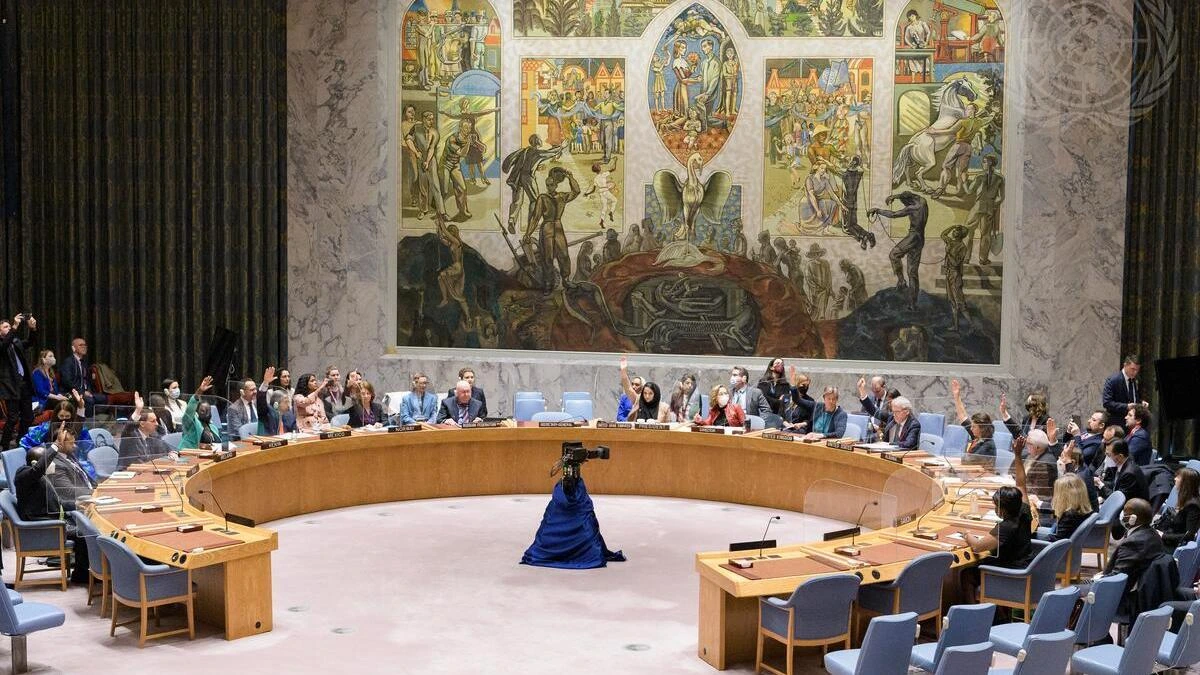
The United Nations Security Council (UNSC) has unanimously adopted Resolution 2816, extending the mandate of the Monitoring Team supporting the 1988 Afghanistan Sanctions Committee for an additional twelve months. This move reflects the continued international concern over entrenched terrorist networks in Afghanistan and the associated risks to regional and global security. The extension underscores the persistent threats emanating from Afghan territory, reinforcing the global consensus on the urgency of countering terrorism at its source.
Afghanistan: A Hub of Extremism
Recent reports from the Monitoring Team indicate that Afghanistan has become a focal point for international terrorist activity, hosting over 20 global terrorist organizations and more than 13,000 foreign fighters. Under Taliban oversight, these networks enjoy secure operational bases and are actively involved in orchestrating cross-border terrorist activities, perpetuating instability in South and Central Asia. The findings demonstrate that Afghanistan continues to serve as both a sanctuary and logistical hub for extremism, despite repeated international calls for accountability.
Taliban’s Failure to Meet Global Security Expectations
The repeated renewal of the Monitoring Team’s mandate highlights the Taliban’s inability to curtail terrorist activity within its borders. UNSC member states have emphasized that sustainable peace in the region is unattainable until safe havens for terrorist organizations are dismantled and their support networks eliminated. The Taliban’s failure to meet these obligations has resulted in increasing diplomatic isolation and global skepticism regarding their commitment to counterterrorism and regional stability.
Conditional Engagement and International Demands
The UNSC has made it clear that any engagement with the Taliban must be conditional on three non-negotiable requirements: an immediate cessation of support to terrorist groups, the establishment of comprehensive and inclusive governance within Afghanistan, and the protection of human rights, particularly those of women and girls. The Council further stressed that the deterioration of human rights and the promotion of extremism in Afghanistan poses a direct threat to international peace, necessitating robust and coordinated global action.
Pakistan’s Proactive Stance
Pakistan has welcomed the UNSC’s reaffirmation, noting that the Resolution corroborates Islamabad’s long-held position regarding the threats emanating from Afghan soil. By highlighting the Taliban’s role in sheltering the Tehrik-i-Taliban Pakistan (TTP) and other militant networks, the international community has validated Pakistan’s concerns about cross-border terrorism. Islamabad’s commitment to national security, combined with constructive engagement with global partners, continues to reinforce regional stability and deter extremist threats along its borders.
Conclusion: Vigilance and Cooperation as Regional Imperatives
Resolution 2816 serves as a reminder that regional peace is contingent upon the dismantling of terrorist networks and responsible governance in Afghanistan. The UNSC’s unanimous stance strengthens Pakistan’s position as a frontline state confronting extremism, highlighting the importance of sustained vigilance, international cooperation, and proactive security measures to safeguard both national and regional stability.