Skip to content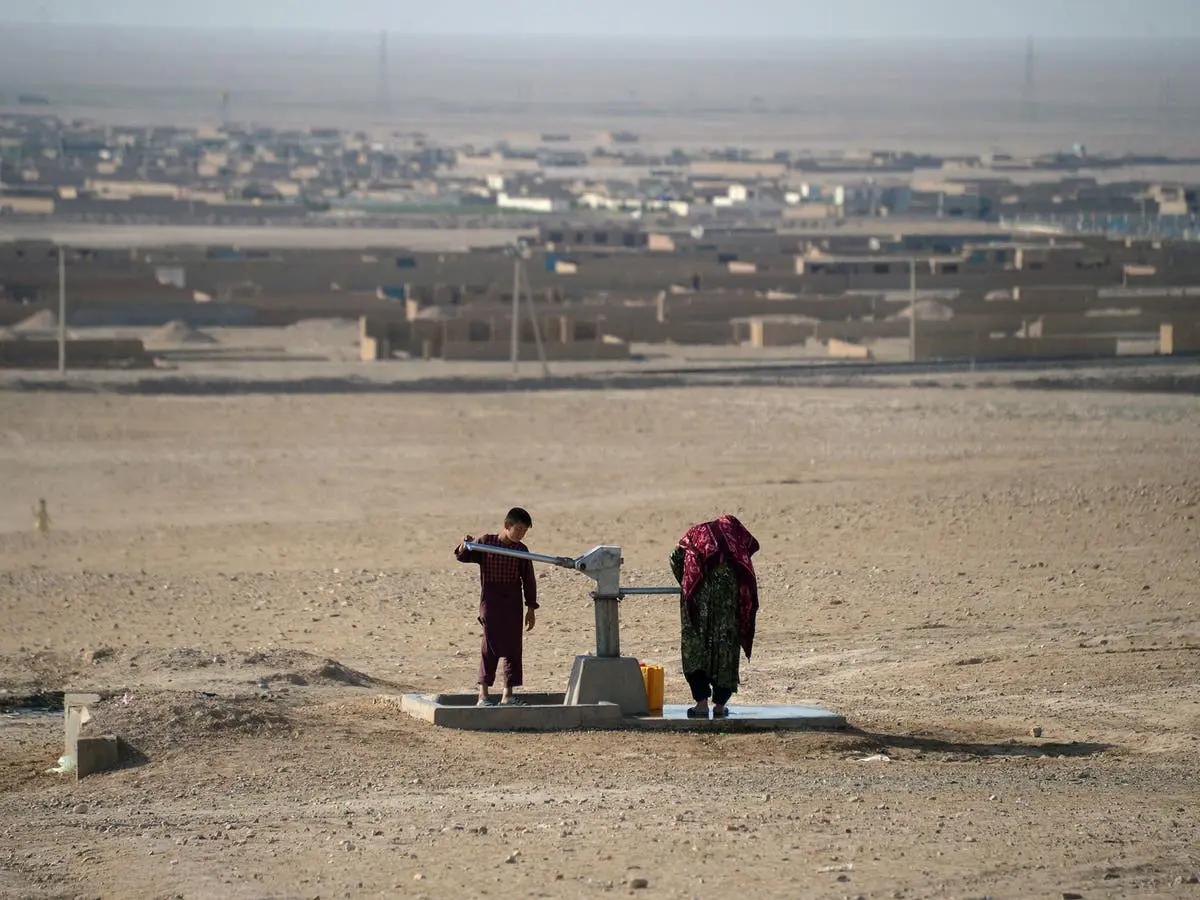
The European Union has issued a severe warning regarding the escalating humanitarian disaster in the region. It states that the Water Crisis in Afghanistan has now left more than 20 million people deprived of access to clean and safe drinking water. This alarming statistic highlights the rapid deterioration of living conditions nationwide. Where infrastructure collapse and environmental challenges are converging to create a systemic emergency. The EU’s alert highlights that the Water Crisis in Afghanistan is not merely a resource shortage. But a fundamental threat to public health that requires immediate international attention to prevent mass casualties.
According to a detailed report by the Afghan media outlet Khaama Press, the Water Crisis has directly triggered a sharp rise in the spread of deadly diseases. The lack of clean water has forced millions of families to rely on contaminated sources. It leads to outbreaks of cholera and acute watery diarrhea.
The report specifies that the Water Crisis in Afghanistan has been particularly devastating for the younger population. Data confirms that severe waterborne diseases have already affected more than 212,000 children. Health officials warn that without urgent intervention to address the water crisis. These numbers will likely multiply as the winter season approaches.
Healthcare Collapse Exacerbates Water Crisis in Afghanistan
The situation is further compounded by the crumbling state of the nation’s healthcare system. The WHO has reported that the water crisis is escalating at a time when medical support is diminishing rapidly. Due to funding shortages and operational restrictions, the healthcare infrastructure is unable to cope with the surge in patients. Statistics reveal that by May 2025, approximately 442 medical clinics had ceased operations involuntarily. This reduction in medical capacity means that those falling ill due to the Water Crisis in Afghanistan have fewer places to turn for life-saving treatment.
Observers point out that the Water Crisis in Afghanistan is being aggravated by the restrictive policies imposed by the Afghan Taliban. These restrictions have hampered the ability of aid organizations to operate effectively, particularly in reaching vulnerable women and children. The combination of poor sanitation systems, administrative hurdles, and the physical scarcity of water has created a perfect storm. As aid agencies struggle to deliver relief, the Water Crisis in Afghanistan continues to claim lives and dismantle the social fabric of the nation. It demands a coordinated global response to avert a total humanitarian collapse.