Skip to content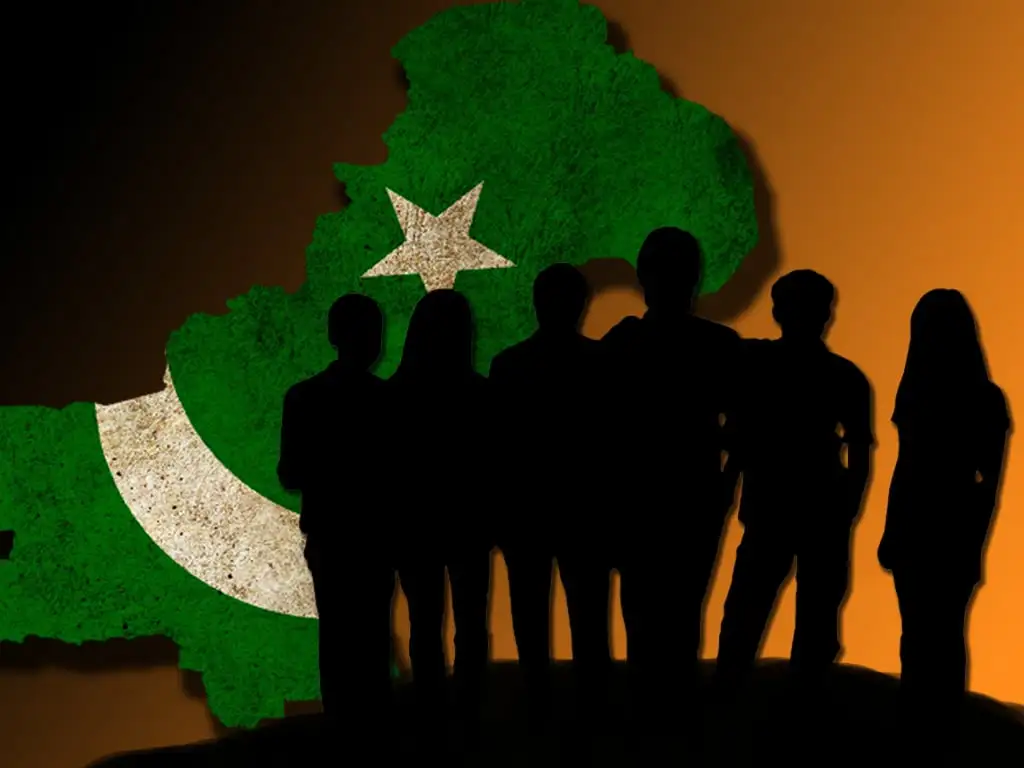
The world today feels heavier than ever. Wars scorch continents, economies falter, and human trust the glue of society is fraying. Yet amid this global exhaustion, the strongest light comes not from parliaments or powerful institutions, but from the young people who refuse to give up. They carry a hope that survives even in the darkest corners of conflict. They are not only the leaders of tomorrow; they are the rescuers of today.
Over the last decade, the world has repeatedly witnessed how young people drive transformation long before governments move. Students in Tunisia sparked the Arab Spring, Afghan girls turned secret classrooms into centers of resistance after 2021, and Pakistani youth organized digital literacy campaigns for flood-affected communities. These moments prove that young people do not wait for permission to rebuild their societies; they step forward when institutions collapse, often at great personal risk.
Forging Change in the Face of Adversity
This generation does not wait for change they create it. Whether confronting the hard edges of war in Afghanistan, navigating displacement in Pakistan, or carving out new lives across continents, young people are shaping a different future with determination that borders on defiance. As someone who has lived through conflict, loss, and forced migration, I have seen how heavy the world can be. Yet I have also witnessed young people rise from that heaviness with a vision bigger than their pain. Their hope is not fragile; it is forged from survival, experience, and an unshakeable belief that suffering should not define destiny.
Researchers at the United Nations Population Fund note that societies with higher youth engagement recover faster from conflict and displacement. Not because young people have resources, but because they bring adaptability, social trust, and the courage to imagine alternatives. These qualities rarely captured in reports are the true engines of peacebuilding.
Youth carry a gift the world desperately needs: the ability to soften hardened divisions. They dissolve social distance through dialogue, answer hatred with understanding, and reach across lines drawn deep by history. In a world where leaders often speak the language of power, young people speak the language of possibility. They understand intuitively that peace is not a document it is a mindset, a courage to reach beyond entrenched divides.
As Chinua Achebe observed about societies rising from their most difficult moments, “the story is our escort; without it, we are blind.” Today, the story of our future is being written by young people those who carry the scars of conflict but still dream in the language of possibility. Their narratives are shaping communities, inspiring movements, and challenging entrenched systems that have failed to serve humanity.
Stories That Shape Our Future
A few months ago, I met a young Afghan journalist in Islamabad who had lost her home, her newsroom, and her childhood dreams within a single year. Yet every morning she translated news for displaced families, reminding them that their voices still mattered. She said, “If we give up telling the truth, we give up the future.” In her quiet resilience, I saw the power of an entire generation.
The world must listen to youth not as a symbolic gesture, not as a “youth inclusion” checkbox, but as a political and moral imperative. Their voices carry clarity, honesty, and courage qualities desperately needed to confront injustice and restore stability. Institutions, both regional and global, must give them space to influence decisions and policies that determine the trajectory of nations and the global order.
The global order rests more heavily on young shoulders than many leaders admit. They defend human dignity in environments where it is fading, create spaces of unity in fractured societies, and prove that a better world is not built by those who accept things as they are but by those who imagine what they could be.
The future does not begin tomorrow it begins with the choices we make today. If the world truly wants peace, stability, and a future worth inheriting, it must uphold its young people, amplify their voices, and trust their vision. When youth rise, societies heal. When youth speak, divisions shrink. And when youth lead, hope becomes more than a dream it becomes a map for a world longing for unity, dignity, and peace.