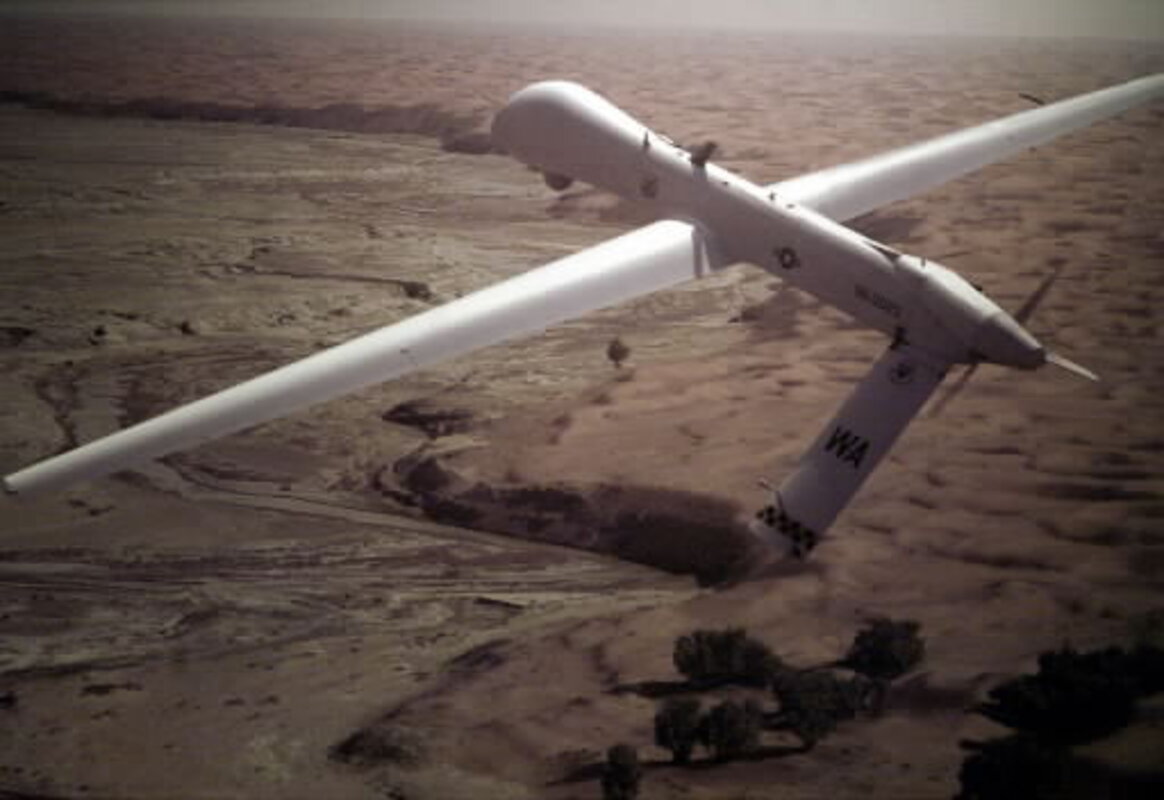
On the night of June 30, 2026, four rudimentary drones launched from Taliban-controlled Afghanistan crossed into Pakistan. Pakistan’s air defence network detected and neutralised all four. Yet before they could be destroyed, one crashed into an Afghan refugee camp in Pishin, Balochistan, injuring three refugees. Another fell in Shamat Khel Pastani, Hassan Khel, in Khyber Pakhtunkhwa, injuring three women and two children. A drone copter also dropped a shell in Bajaur, while heavy clashes erupted along the Pakistan-Afghanistan border, prompting the Pakistan Air Force to maintain aerial patrols.
These incidents represent more than isolated security events. They mark a dangerous escalation in cross-border hostilities. Drones launched across an international frontier injured civilians on Pakistani soil, including Afghan refugees who had fled the very regime responsible for launching them. That reality should not be overshadowed by competing narratives or political messaging.
What Happened—and Why It Matters
According to the Inter-Services Public Relations (ISPR) statement issued on July 1, the drones were launched as part of the Taliban regime’s continued patronisation of terrorist groups operating from territory under its control. Pakistani air defence systems tracked and neutralised the aerial platforms before they could inflict greater damage.
The ISPR described the launches as “gimmicks” intended to distract the Afghan public from worsening domestic conditions. Whether viewed through a military or political lens, the consequences remain the same: civilians were injured, border tensions escalated, and a sovereign state’s territory was violated.
This was not simply rhetorical escalation. It was the use of military platforms across an international border against a neighbouring state. That distinction matters.
The Refugees the Taliban Endangered
One detail deserves particular attention.
A Taliban-launched drone landed inside an Afghan refugee camp in Pishin, injuring three Afghan refugees living under Pakistan’s protection. These are individuals who fled conflict and instability in Afghanistan, many seeking refuge from Taliban rule itself.
The symbolism is striking. A regime claiming to defend Afghan interests ended up injuring Afghan nationals who had escaped its governance.
For decades, Pakistan has hosted millions of Afghan refugees despite immense economic and social pressures. The humanitarian dimension of this incident therefore extends beyond border security. It highlights the risks posed not only to Pakistan’s citizens but also to vulnerable Afghan communities residing within Pakistan.
The international community should recognise the significance of this episode. Any action that endangers refugees and civilians while escalating regional tensions demands serious international attention.
This Escalation Did Not Occur in Isolation
The drone launches followed Pakistan’s counterterrorism operations targeting Tehreek-e-Taliban Pakistan (TTP) infrastructure along the border.
A consistent pattern has emerged. Terrorist attacks are launched against Pakistan from Afghan territory. Pakistan responds with counterterrorism operations targeting those responsible. The Taliban, meanwhile, portrays these operations as aggression against Afghanistan while continuing to deny the presence of terrorist sanctuaries despite mounting evidence presented by Pakistan and reflected in various international assessments.
Viewed in this context, the drone launches are not an isolated incident but part of a broader cycle of escalation. Rather than addressing concerns regarding terrorist groups operating from Afghan territory, the Taliban has responded with military signalling directed across the border.
This raises serious questions about regional stability and the responsibilities that accompany territorial control.
Pakistan’s Response Must Remain Firm and Measured
Pakistan’s ability to detect and neutralise all four drones demonstrates operational preparedness and the effectiveness of its air defence capabilities.
Equally significant is the broader strategic response. Deterrence is strongest when it combines military readiness with diplomatic credibility and adherence to international law.
Every sovereign state possesses the inherent right to defend its territory, citizens, and airspace against cross-border attacks. Exercising that right should neither require justification nor apology. At the same time, maintaining legal and moral legitimacy strengthens Pakistan’s position internationally and distinguishes a rules-based response from the conduct it seeks to deter.
The incidents in Pishin, Hassan Khel, and Bajaur should therefore be comprehensively documented and presented before international partners, ensuring that the humanitarian consequences of these provocations are neither ignored nor distorted.
Restraint Should Not Be Mistaken for Weakness
Public frustration following repeated cross-border attacks is understandable. Years of terrorism, attacks on security personnel, and now the use of drones against Pakistani territory have intensified public anger.
Yet strategic discipline remains essential.
An effective response targets those responsible while avoiding actions that would unnecessarily endanger civilians or reinforce hostile propaganda. Precision, lawful self-defence, and sustained diplomatic engagement remain far more effective than emotionally driven escalation.
Pakistan’s greatest strategic advantage lies not only in its military capability but also in its ability to demonstrate that its actions are grounded in evidence, international law, and the protection of civilian life.
The Afghan People Are Not the Taliban
One distinction must remain clear throughout this crisis: the Afghan people are not the Taliban.
The refugees injured in Pishin were victims of the same regime that launched the drones. Millions of Afghans continue to endure economic hardship, humanitarian distress, and severe restrictions under Taliban rule.
Maintaining this distinction is essential. Pakistan’s security concerns relate to terrorism, cross-border violence, and the conduct of the Taliban regime, not to the Afghan people themselves, whose security and dignity remain equally important.
Confusing the two serves only the interests of those seeking to politicise humanitarian suffering.
A Dangerous Precedent
Four drones crossed an international border. Four were intercepted. Refugees were injured in Pishin. Women and children were wounded in Hassan Khel. A shell landed in Bajaur. Heavy clashes followed, and aerial patrols continue over the frontier.
These events represent more than another episode in an already volatile border dispute. They signal a willingness to introduce a new dimension of cross-border military provocation into an already fragile security environment.
Pakistan has stated that continued provocations will receive an appropriate response. Any future response should continue to demonstrate military preparedness, legal legitimacy, and strategic restraint in equal measure.
The immediate challenge is not simply to respond to four drones. It is to ensure that actions which threaten regional stability, endanger civilians, and undermine international norms are recognised for what they are, and deterred before they become the new normal.