
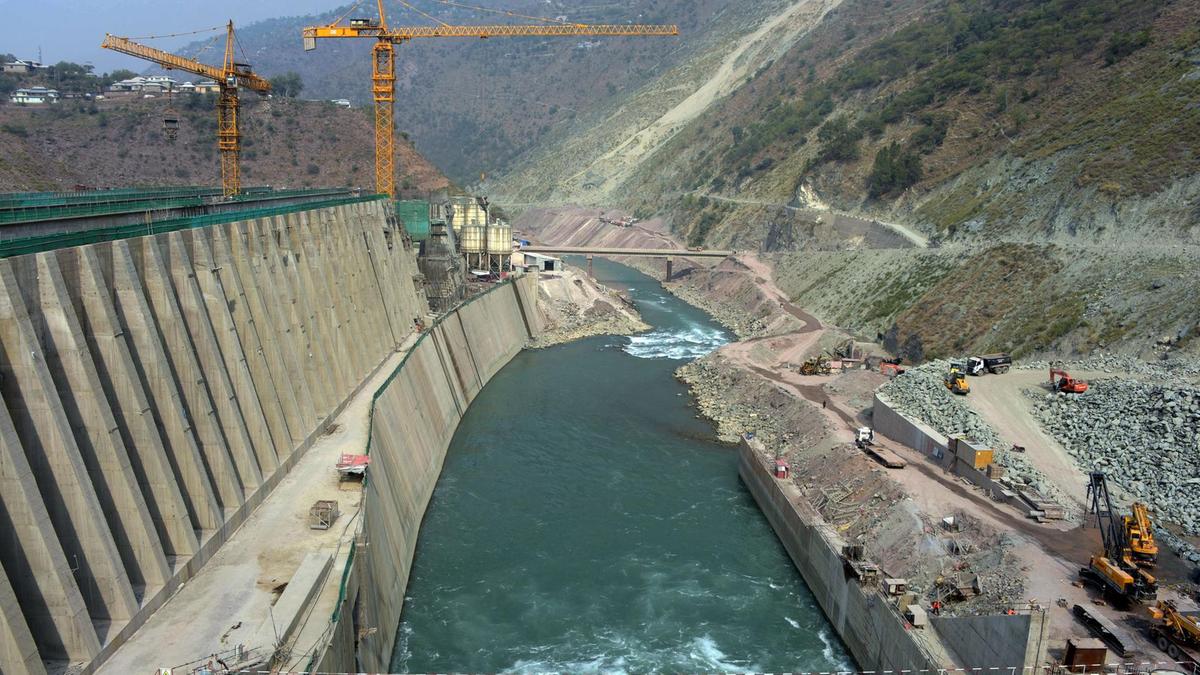
Afghanistan’s decision to begin dam construction on the Kunar River, announced shortly after FM Muttaqi’s visit to India, has sparked strategic concern in Pakistan. The move, framed as a development initiative, is seen by Islamabad as a potential pressure tactic, especially given the absence of a formal water-sharing agreement. With India recently suspending the Indus Waters Treaty, Kabul’s unilateral action adds to Pakistan’s regional water insecurity. Analysts warn that the dam directive may reflect deeper alignments, raising fears of upstream manipulation. As water becomes a geopolitical tool, Pakistan faces an urgent need to reinforce its water diplomacy and safeguard downstream interests through dialogue and regional cooperation.
The Stalled History of Pak-Afghan Water Talks
Pakistan and Afghanistan share nine rivers, yet no formal water-sharing treaty exists, despite decades of dialogue. The Kabul River Treaty, proposed in the early 2000s and supported by the World Bank, has stalled repeatedly due to Afghanistan’s reluctance to share hydrological data. This lack of transparency has hindered progress and left Pakistan vulnerable to unilateral upstream actions.
Afghanistan’s revival of its 2023 plan to build a dam on the Kunar River, a key tributary of the Kabul River, raises serious concerns for Pakistan, especially Khyber Pakhtunkhwa, which relies heavily on consistent river flows for agriculture and ecology. Notably, 60% of the Kunar’s water originates in Pakistan’s Chitral region. Under international law, Afghanistan is obligated to consult downstream states before undertaking such projects.
Its unilateral move risks violating these norms and destabilizing regional water diplomacy. Pakistan has consistently urged cooperation and data sharing, reserving the right to defend its water interests through legal and diplomatic channels. The situation demands urgent dialogue to prevent a long-term hydropolitical crisis.
A Strategic Shift in the Making
Afghanistan’s recent directive to begin dam construction on the Kunar River has triggered alarm bells in Islamabad, not merely for its environmental and economic implications, but for its timing and geopolitical undertones. The announcement, made shortly after Afghan Foreign Minister Amir Khan Muttaqi’s visit to India, is being viewed in Pakistan as more than a domestic infrastructure initiative. It is increasingly seen as a calculated move, potentially influenced by New Delhi, to assert upstream control over a critical transboundary water source.
The Taliban’s leadership, through the Ministry of Water and Energy, has ordered immediate commencement of dam construction on the Kunar River. While the move is publicly framed as a matter of national development, the broader context suggests a deeper strategic messaging, one that leans on regional alignments rather than purely sovereign aspirations.
Why the Kunar River Matters To Pakistan
The Kunar River, originating in Afghanistan’s Hindu Kush mountains, flows into Pakistan’s Khyber Pakhtunkhwa province, merging with the Kabul River before joining the Indus. It is a vital artery for Pakistan’s irrigation systems, drinking water supply and hydropower generation. Any disruption to its flow, whether through damming, diversion, or seasonal manipulation, could have severe consequences for downstream communities already grappling with water scarcity and climate stress.
Pakistan’s concern is not rooted in opposition to Afghan development, but in the absence of a formal water-sharing agreement between the two countries. Unlike the Indus Waters Treaty with India, no such framework exists to regulate transboundary water use with Afghanistan, leaving Islamabad vulnerable to unilateral upstream decisions.
Timing and Tensions
The directive’s timing, coming on the heels of FM Muttaqi’s diplomatic outreach to New Delhi, has not gone unnoticed. India’s recent suspension of the Indus Waters Treaty has already strained regional water diplomacy. Now, Afghanistan’s sudden push to assert control over the Kunar River adds another layer of complexity to Pakistan’s strategic calculus.
Analysts in Islamabad view the move as part of a broader pattern of regional pressure, with India potentially encouraging Kabul to leverage its upstream position. While there is no public evidence of direct Indian involvement in the dam project, the optics of the sequence, diplomatic engagement followed by a provocative infrastructure announcement, are difficult to ignore.
Pakistan’s Growing Concerns
For Pakistan, the Kunar dam initiative is deeply troubling. Islamabad thinks that Afghanistan could use water as a strategic lever, potentially restricting flow during times of political tension. Such a move would exacerbate existing water stress in Pakistan, particularly in regions already grappling with drought and climate change. The Pakistani government has yet to issue a formal response, but media outlets and analysts have warned of a brewing “water war” scenario.
Regional Water Diplomacy at a Crossroads
Water has long been a source of cooperation and conflict in South Asia. Treaties like the Indus Waters Treaty between India and Pakistan have helped manage disputes, but Afghanistan remains outside any formal water-sharing framework with its neighbors. This lack of institutional mechanism makes the Kunar River situation particularly volatile. Without dialogue, transparency, and mutual agreements, unilateral actions like dam construction risk escalating into broader regional disputes.
What Comes Next?
The path forward is uncertain. If Afghanistan proceeds with dam construction without consulting downstream stakeholders like Pakistan, it could trigger diplomatic fallout or even retaliatory measures. Conversely, if both sides engage in dialogue, the situation could evolve into a framework for cooperation. International actors including China, the U.S., and regional organizations may need to step in to mediate and support sustainable water governance. Climate change, population growth, and agricultural demands make water diplomacy more urgent than ever.
A Test of Regional Maturity
Afghanistan’s decision to move forward with the Kunar dam project, especially in the current geopolitical climate, tests the region’s capacity for peaceful resource management. For Pakistan, it is a wake-up call to reinforce its water diplomacy, invest in upstream monitoring, and engage with Kabul through both bilateral and multilateral channels.
The path forward is uncertain. If Afghanistan continues to act without consulting downstream stakeholders, it could provoke diplomatic fallout or retaliatory measures. Conversely, if both nations choose dialogue over division, this moment could evolve into a foundation for cooperative water governance.
Also Read: KABUL’S WATER CRISIS: A FAILING LIFELINE.